
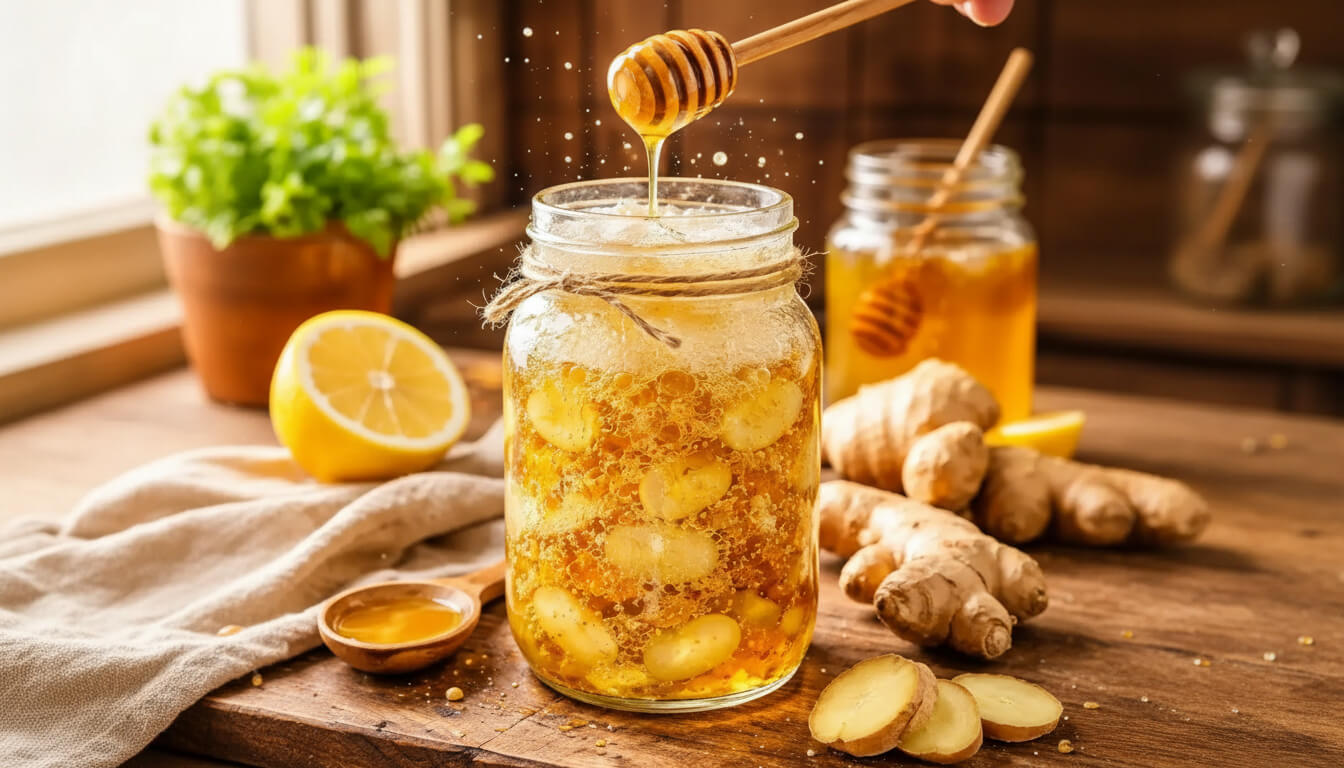
Ginger bug recipe with honey is becoming one of the most searched natural fermentation methods in the US, especially among people looking for a refined sugar free way to make homemade probiotic sodas – much like the low-sugar appeal in viral treats such as the Japanese jello weight loss recipe. If you’re here, you’re likely searching for a reliable ginger bug recipe with honey that actually works, ferments properly, and delivers consistent bubbly results.
Ginger bug recipe with honey offers a natural alternative to traditional sugar fed starters. A ginger bug is a wild fermentation culture made from fresh ginger, sweetener, and water. It captures wild yeast and beneficial bacteria from the ginger’s surface and the surrounding environment. While most traditional recipes use white sugar, many home fermenters now prefer a ginger bug recipe with honey because honey feels cleaner, less processed, and more aligned with holistic nutrition trends in the US – similar to gelatin-based hacks like the Dr Oz pink gelatin trick recipe.
Using a ginger bug recipe with honey can support natural fermentation while avoiding refined sugar. However, honey behaves differently than white sugar, which means technique matters. The right type of honey, proper feeding schedule, and correct environment temperature all influence whether your ginger bug becomes active and bubbly or stalls before fermenting – just as precise prep is key in remedies like how to use lemon balm drops for weight loss.
In this complete guide, you’ll learn exactly how to prepare a ginger bug recipe with honey step by step, why honey works as a fermenting agent, how to troubleshoot common issues, and how to use your finished starter to make homemade sodas safely and effectively. Explore more natural tricks such as the Bavarian pizza recipe for fun twists or green banana trick for diabetes for health boosts. If you’re ready to master a reliable ginger bug recipe with honey at home, let’s get started.
What Is a Ginger Bug? (And How It Works)
Before diving deeper into the ginger bug recipe with honey, it’s important to understand what a ginger bug actually is and how fermentation happens – much like the natural culturing in low-sugar treats from our Japanese jello weight loss recipe.
A ginger bug is a naturally fermented starter culture made from fresh ginger, sweetener, and water. It works similarly to a sourdough starter but is used for beverages instead of bread. When preparing a ginger bug recipe with honey, you’re cultivating wild yeast and beneficial bacteria that naturally live on ginger’s skin.
Recipe website template
How Fermentation Happens
When you combine:
- Fresh ginger (with skin on)
- Honey
- Filtered water
…the natural microorganisms begin feeding on the sugars. Over several days, they multiply and produce:
- Carbon dioxide (creates fizz)
- Mild acidity (preserves the mixture)
- Beneficial probiotics
This is what makes a ginger bug recipe with honey effective for homemade sodas, similar to the probiotic boost in gelatin hacks like our Dr Oz pink gelatin trick recipe.
Ginger Bug vs. Commercial Yeast
Here’s a quick comparison:
| Feature | Ginger Bug | Commercial Yeast |
|---|---|---|
| Source | Wild natural yeast | Lab cultured yeast |
| Flavor | Complex, tangy | Neutral |
| Probiotics | Yes | No |
| Carbonation | Natural & gradual | Fast & predictable |
| Best For | Homemade soda | Bread, alcohol brewing |
A properly maintained ginger bug recipe with honey will start bubbling within 3–5 days in most US homes (room temperature: 68–75°F). Pair it with herbal remedies like how to use lemon balm drops for weight loss for added health synergy.
Why Ginger?
Ginger naturally carries wild yeast and has antimicrobial compounds that help prevent harmful bacteria from taking over. When paired with honey in a ginger bug recipe with honey, the result is a balanced fermentation that produces safe, fizzy, probiotic-rich beverages – perfect alongside natural tricks like the green banana trick for diabetes.
Why Use Honey Instead of Sugar?
When making a ginger bug recipe with honey, one of the biggest questions is: Why use honey instead of traditional white sugar? The answer depends on health preferences, fermentation behavior, and flavor – much like choosing natural ingredients in our popular Japanese jello weight loss recipe.
Most classic ginger bug recipes use refined sugar because it’s predictable and feeds yeast quickly. However, many US home fermenters prefer a ginger bug recipe with honey to avoid processed sugar and use a more natural sweetener, aligning with the clean-eating trends seen in remedies like how to use lemon balm drops for weight loss.
Nutritional & Functional Differences
Here’s how honey compares to white sugar:
| Feature | Raw Honey | White Sugar |
|---|---|---|
| Processing Level | Minimal (if raw) | Highly refined |
| Trace Minerals | Yes | None |
| Natural Enzymes | Yes | No |
| Antimicrobial Properties | Mild | No |
| Fermentation Speed | Moderate | Fast |
Honey contains small amounts of minerals and enzymes that refined sugar lacks. These compounds can support microbial diversity in a ginger bug recipe with honey, but they also make fermentation slightly slower – similar to the patient culturing in Dr Oz pink gelatin trick recipe.
Important: Use Raw, Unfiltered Honey
For best results:
- Choose raw, unpasteurized honey
- Avoid ultra filtered commercial honey
- Do not use flavored or infused honey
Pasteurized honey may lack the natural microbes that help kickstart a strong ginger bug recipe with honey.
Does Honey Slow Fermentation?
Yes, slightly. Honey has natural antimicrobial properties, which means your ginger bug recipe with honey may take an extra day compared to sugar-based versions. That’s normal.
At typical US room temperatures (68–75°F), expect visible bubbles within 3–5 days when following a proper feeding schedule – perfect for pairing with health boosters like the green banana trick for diabetes or a slice of Bavarian pizza recipe.
Ginger Bug Recipe with Honey (Step by Step Guide)
Now let’s get practical. This ginger bug recipe with honey is designed for consistent fermentation in typical US kitchen temperatures (68–75°F). Follow these steps carefully for best results, just as precision matters in simple hacks like our Dr Oz pink gelatin trick recipe.
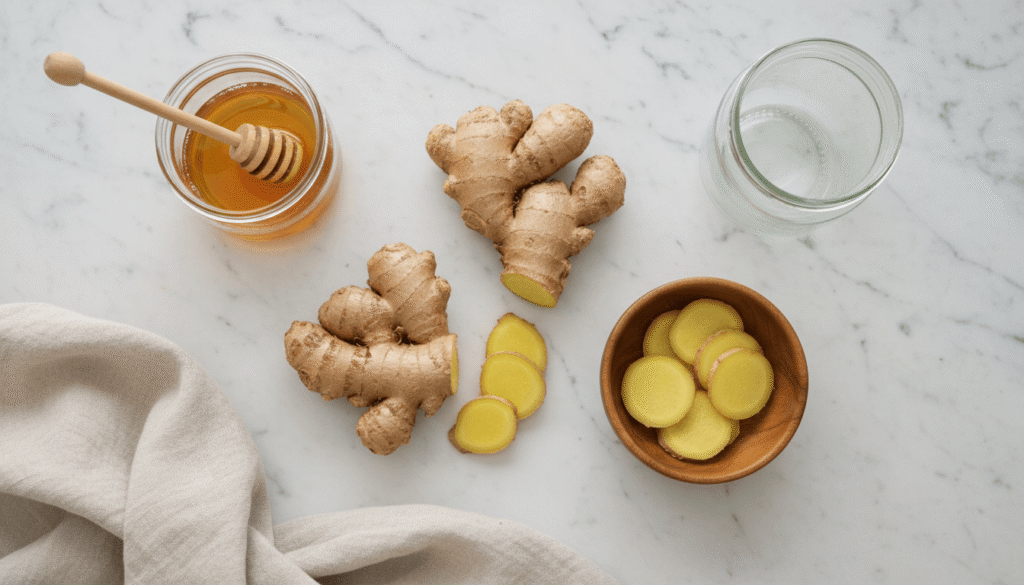
- 1 quart glass jar
- Breathable cover (coffee filter or cheesecloth)
- Rubber band
- Wooden or plastic spoon (avoid metal for daily stirring)
- 2 cups filtered water (room temperature)
- 2 tablespoons fresh organic ginger (finely chopped, skin on)
- 2 tablespoons raw honey (unpasteurized)
Ingredients
Equipment
Day 1: Start the Ginger Bug
- Add water to the jar.
- Stir in chopped ginger.
- Add raw honey and mix well until dissolved.
- Cover loosely with breathable cloth and secure.
- Place in a warm, shaded area of your kitchen.
Tea subscription box
This begins your ginger bug recipe with honey fermentation process – a natural starter akin to the probiotic vibes in how to use lemon balm drops for weight loss.
Days 2–5: Feed the Bug Daily
Each day, add:
- 1 tablespoon chopped ginger
- 1 tablespoon raw honey
Stir once daily.
By Day 3–5, your ginger bug recipe with honey should show:
- Small bubbles rising
- Slight fizz when stirred
- Mild, pleasantly yeasty aroma
If you see mold (fuzzy or black spots), discard and restart.
Recipe website template
Signs It’s Ready
Your ginger bug recipe with honey is ready when:
- Bubbling occurs consistently
- It smells fresh and slightly tangy
- A small spoonful fizzes when added to sweet tea or juice
At this stage, you can strain the liquid and use it to carbonate homemade sodas. Pair your bubbly creations with treats like Japanese jello weight loss recipe, Bavarian pizza recipe, or the green banana trick for diabetes.
Fermentation Tips for a Strong Ginger Bug Recipe with Honey
A successful ginger bug recipe with honey depends on environment, consistency, and ingredient quality. Small adjustments can make the difference between a weak starter and a bubbly, active culture ready for homemade sodas – much like the precise conditions needed for gelatin hacks in our Japanese jello weight loss recipe. Understanding how fermentation behaves in typical US kitchens will help you avoid common mistakes.
Temperature plays a major role in how your ginger bug recipe with honey develops. The ideal range is 68–75°F. If your kitchen is cooler, fermentation may slow and take up to 6–7 days. If it’s warmer than 78°F, fermentation may move faster but can become overly sour. Keeping the jar in a stable, shaded area away from direct sunlight improves consistency.
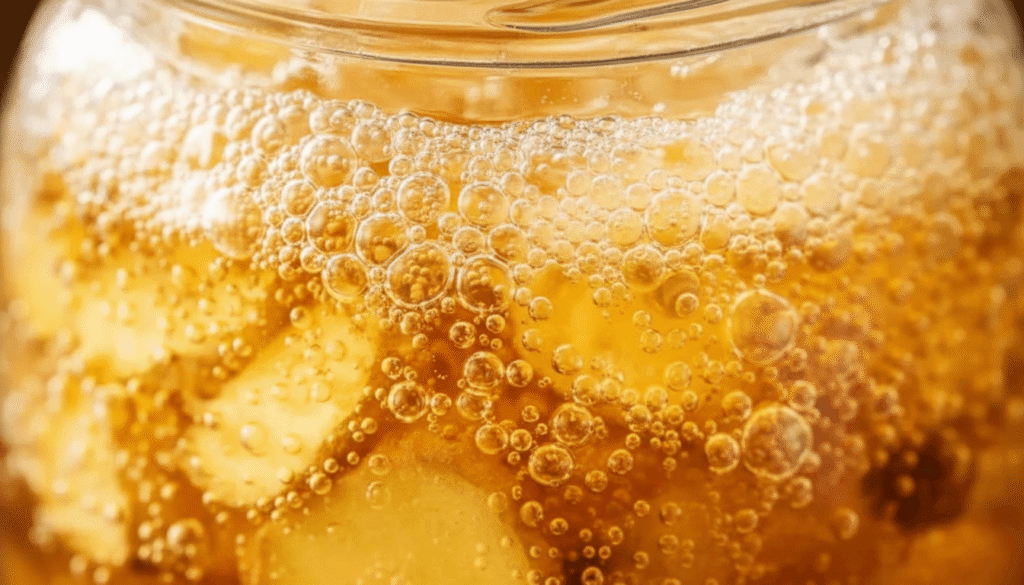
Stirring daily introduces oxygen, which supports healthy yeast activity in the early fermentation stage. A ginger bug recipe with honey needs oxygen at first, which is why a breathable cover works better than a sealed lid. Once active, you can tighten the lid slightly if needed, but never seal it airtight during the feeding phase.
Always use filtered or dechlorinated water in your ginger bug recipe with honey. Chlorine in tap water can inhibit wild yeast growth and reduce bubbling activity. If using tap water, let it sit uncovered for 24 hours before starting to allow chlorine to dissipate – similar to prepping pure ingredients for the Dr Oz pink gelatin trick recipe.
Use organic ginger whenever possible. Non-organic ginger is sometimes irradiated, which can reduce natural yeast presence and weaken your ginger bug recipe with honey. Leaving the skin on is important because that’s where much of the wild yeast lives.
If bubbling slows, increase feeding slightly or move the jar to a slightly warmer location. A strong ginger bug recipe with honey should produce visible bubbles daily once active – ready to complement natural remedies like how to use lemon balm drops for weight loss, green banana trick for diabetes, or even a slice of Bavarian pizza recipe.
How to Use a Ginger Bug Recipe with Honey for Homemade Soda
Once your ginger bug recipe with honey is active and bubbly, you can use it to naturally carbonate homemade sodas. This is where the real fun begins. The wild yeast in your ginger bug recipe with honey will feed on natural sugars in juice or sweetened tea, producing carbon dioxide that creates fizz – perfect alongside probiotic treats like our Japanese jello weight loss recipe.
Start by preparing a base liquid. Popular options in the United States include sweetened herbal tea, fresh fruit juice, lemon water with honey, or lightly sweetened hibiscus tea. The base must contain sugar because the yeast in your ginger bug recipe with honey needs fuel to create carbonation.
Here’s a simple ratio for beginners:
| Ingredient | Amount |
|---|---|
| Fruit juice or sweet tea | 4 cups |
| Active ginger bug liquid | 1/4 cup |
| Optional extra honey | 1 to 2 tablespoons |
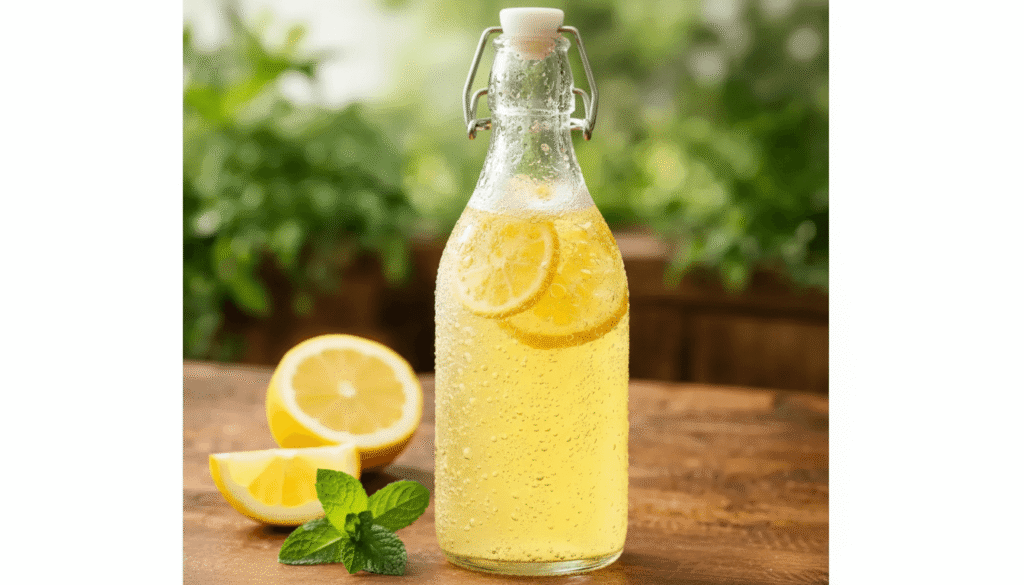
Pour the juice or tea into a clean glass bottle. Add the strained liquid from your ginger bug recipe with honey. Stir gently to combine. Seal the bottle tightly with a swing-top lid or airtight cap.
Let the bottle ferment at room temperature for 2 to 4 days. During this time, carbonation builds inside the bottle. Open carefully once daily to “burp” and release excess pressure. This prevents over-carbonation.
Your soda is ready when you hear a strong hiss when opening and see visible bubbles. Refrigerate immediately to slow fermentation – ready to enjoy with favorites like Dr Oz pink gelatin trick recipe, how to use lemon balm drops for weight loss, or Bavarian pizza recipe.
Always use thick glass bottles designed for pressure. Proper bottle safety is essential when using a ginger bug recipe with honey for carbonation.
Flavor Variations for Ginger Bug Recipe with Honey
One of the best things about using a ginger bug recipe with honey is the ability to experiment with flavors. Once your starter is active, you can create endless combinations using fruits, herbs, and spices commonly available in US grocery stores – perfect alongside refreshing treats like our Japanese jello weight loss recipe.
Citrus flavors are a beginner favorite. Lemon honey soda is simple and refreshing. Mix fresh lemon juice, water, and a small amount of honey, then add your ginger bug recipe with honey to carbonate. Orange and lime also work beautifully and produce bright, tangy results.
Berry-based sodas are another popular choice. Blueberry, raspberry, and strawberry juices ferment well and create vibrant color. Strain seeds before bottling to keep your final drink smooth. The natural sugars in berries feed your ginger bug recipe with honey effectively.
For a more herbal profile, try adding fresh mint, basil, or rosemary to sweetened tea before fermentation. Ginger and mint is especially popular during summer months in the United States. Spices such as cinnamon sticks or cloves can create a warming seasonal soda in fall and winter.
Here’s a quick inspiration table:
| Flavor Idea | Base Liquid | Taste Profile |
|---|---|---|
| Lemon Honey | Lemon water with honey | Bright and refreshing |
| Blueberry Ginger | Blueberry juice | Fruity and lightly tart |
| Hibiscus Citrus | Sweet hibiscus tea | Floral and tangy |
| Apple Cinnamon | Fresh apple juice | Warm and comforting |
When testing new flavors with your ginger bug recipe with honey, always ensure enough natural sugar is present for carbonation. Without sufficient sugar, fermentation will be weak and flat – ready to enjoy with health boosters like Dr Oz pink gelatin trick recipe or how to use lemon balm drops for weight loss.
Storage and Maintenance of Ginger Bug Recipe with Honey
Maintaining your ginger bug recipe with honey properly ensures it stays active and ready whenever you want to make homemade soda. Once your starter is strong and bubbly, you have two main options: keep it active on the counter or store it in the refrigerator – much like preserving the fizz in gelatin-based drinks from our Japanese jello weight loss recipe.
If you plan to use your ginger bug recipe with honey frequently, continue feeding it daily at room temperature. Add one tablespoon chopped ginger and one tablespoon raw honey each day, then stir well. Consistent feeding keeps the wild yeast population strong and prevents the culture from weakening.
For less frequent use, refrigeration is the best option. Strain out excess ginger pieces if the jar becomes too full, then seal it with a loose lid and place it in the refrigerator. Cold temperatures slow fermentation significantly. When refrigerated, feed your ginger bug recipe with honey once per week to maintain activity.
To reactivate a refrigerated starter, remove it from the fridge and let it sit at room temperature. Feed it with fresh ginger and honey daily for two to three days until bubbling resumes. A properly maintained ginger bug recipe with honey can last for months or even years with regular care – ideal for ongoing health routines like how to use lemon balm drops for weight loss.
Watch for warning signs. A healthy ginger bug recipe with honey smells fresh, slightly sweet, and mildly yeasty. If it smells rotten, develops fuzzy mold, or turns dark and murky, discard it and start fresh. Proper storage and consistent feeding are the keys to long-term success, pairing perfectly with favorites such as Dr Oz pink gelatin trick recipe, green banana trick for diabetes, or Bavarian pizza recipe.
Conclusion
Making your own ginger bug recipe with honey is one of the simplest and most rewarding ways to explore natural fermentation at home. Instead of relying on commercial yeast or refined sugar, this method allows you to harness wild yeast and beneficial bacteria using just fresh ginger, raw honey, and water. The result is a living starter that can transform ordinary juice or tea into naturally carbonated, probiotic-rich soda – echoing the simplicity of low-cal hacks like our Japanese jello weight loss recipe.
A ginger bug recipe with honey does require a bit of patience, especially since honey ferments slightly slower than white sugar. However, with the right temperature, proper feeding, and quality ingredients, you can consistently create a strong, bubbly culture in just a few days. Once active, your ginger bug becomes a long-term kitchen companion that can be maintained for months with simple weekly care.
Beyond the health benefits, making a ginger bug recipe with honey gives you full control over flavor, sweetness, and ingredients. You can experiment with citrus, berries, herbs, or seasonal spices to create customized sodas tailored to your taste. It is an affordable, sustainable alternative to store-bought soft drinks and a great way to reduce processed sugar intake, much like the natural remedies in how to use lemon balm drops for weight loss or Dr Oz pink gelatin trick recipe.
With the steps, tips, and troubleshooting guidance shared in this guide, you now have everything you need to confidently start fermenting at home. Your first batch of homemade soda is just a few days away – ready to enjoy alongside green banana trick for diabetes or Bavarian pizza recipe.
Frequently Asked Questions About Ginger Bug Recipe with Honey
Can I really make soda using a ginger bug recipe with honey?
Yes, you absolutely can. A ginger bug recipe with honey creates a natural starter culture filled with wild yeast and beneficial bacteria. When added to sweetened juice or tea, the yeast consumes the sugars and produces carbon dioxide, which creates natural carbonation. This process gives you fizzy, homemade soda without artificial ingredients or commercial yeast – much like the natural fizz in Japanese jello weight loss recipe.
Is honey strong enough to feed fermentation properly?
Honey works well, but it behaves differently than refined sugar. Because raw honey contains natural enzymes and mild antimicrobial properties, fermentation may move slightly slower. However, when you use raw, unpasteurized honey and feed your starter consistently, a ginger bug recipe with honey becomes active and bubbly within a few days.
What type of ginger works best for fermentation?
Fresh organic ginger with the skin left on works best. The skin contains natural wild yeast that helps kickstart fermentation. Avoid using old, shriveled ginger or powdered ginger, as they lack the living microorganisms needed for a strong ginger bug recipe with honey.
How do I know if my ginger bug is healthy?
A healthy ginger bug recipe with honey produces steady bubbles, has a mildly sweet and yeasty smell, and creates a light fizz when stirred. If it smells rotten or develops fuzzy mold, it should be discarded immediately.
Why is my ginger bug not bubbling after several days?
Common causes include cool room temperatures, chlorinated water, or pasteurized honey. Try moving it to a warmer spot in your kitchen, switch to filtered water, and ensure you are using raw honey. Continue feeding daily for a few more days.
Can I reduce the honey amount to make it less sweet?
You can slightly adjust the amount, but remember that the yeast needs sugar to feed on. If you reduce honey too much, your ginger bug recipe with honey may ferment weakly or fail to carbonate your soda properly.
How long can I keep a ginger bug alive?
With regular feeding and proper storage, a ginger bug recipe with honey can last for many months. Some home fermenters maintain theirs for years by feeding weekly when refrigerated and daily when kept at room temperature.
Does homemade soda made from a ginger bug contain alcohol?
A ginger bug recipe with honey produces a very small amount of alcohol during fermentation, usually less than one percent when fermented briefly. This is similar to naturally fermented beverages like kombucha.
Can I flavor the ginger bug itself?
It is best to keep your ginger bug recipe with honey simple and neutral. Add flavors like fruit or herbs during the soda making stage instead. This keeps your starter stable and versatile.
Is making a ginger bug safe for beginners?
Yes, when basic cleanliness and proper feeding practices are followed, a ginger bug recipe with honey is safe and beginner-friendly. Using clean jars, filtered water, and monitoring for mold are simple steps that ensure successful fermentation – great for pairing with health favorites like Dr Oz pink gelatin trick recipe or how to use lemon balm drops for weight loss.
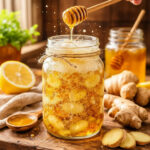
Ginger Bug Recipe with Honey – Fermentation Made Simple
- Total Time: 5 days
- Yield: 1 starter (about 2 cups) 1x
- Diet: Vegetarian
Description
A natural fermented starter made with fresh ginger, raw honey, and water to create probiotic-rich homemade sodas without refined sugar.
Ingredients
- 2 cups filtered water (room temperature)
- 2 tablespoons fresh organic ginger (finely chopped, skin on)
- 2 tablespoons raw unpasteurized honey
- 1 tablespoon chopped ginger (daily feeding)
- 1 tablespoon raw honey (daily feeding)
Instructions
- Add filtered water to a clean quart glass jar.
- Stir in 2 tablespoons chopped fresh ginger.
- Add 2 tablespoons raw honey and mix until dissolved.
- Cover with a breathable cloth and secure with a rubber band.
- Place jar in a warm shaded area (68–75°F).
- Each day add 1 tablespoon chopped ginger.
- Add 1 tablespoon raw honey daily.
- Stir once per day with a wooden or plastic spoon.
- Continue feeding for 3–5 days until bubbles form.
- Check for steady bubbling and a mildly yeasty aroma.
- Strain liquid to use for homemade soda.
- Refrigerate and feed weekly to maintain starter.
Notes
Use raw unpasteurized honey and organic ginger with skin on for best fermentation. Discard if mold appears. Ideal room temperature is 68–75°F.
- Prep Time: 10 minutes
- Cook Time: 5 days fermentation
- Category: Beverages
- Method: Fermentation
- Cuisine: American
Nutrition
- Serving Size: 1/4 cup starter
- Calories: 25
- Sugar: 6g
- Sodium: 2mg
- Fat: 0g
- Saturated Fat: 0g
- Unsaturated Fat: 0g
- Trans Fat: 0g
- Carbohydrates: 6g
- Fiber: 0g
- Protein: 0g
- Cholesterol: 0mg
Keywords: ginger bug recipe with honey, ginger bug starter, natural fermentation, probiotic soda, homemade soda without sugar