

Lime and clove tea is taking over social media — and maybe someone in your family has been making it for years. Lime and clove tea is one of those old-school remedies that is making a serious comeback — and for good reason. Whether you’re looking to ease inflammation, support weight loss, or just add something nourishing to your morning routine, this simple two-ingredient tea packs a serious punch. In this guide, you’ll find the exact recipe, every benefit backed by real information, and honest answers to the questions people are searching the most.
Before we dive in, here’s something worth knowing: cloves have been used in traditional medicine across Asia and the Middle East for centuries. Lime — rich in vitamin C and natural citric acid — is a staple in American kitchens. Together, they create a drink that is as practical as it is powerful.
If you’ve already tried clove water on its own, you know the earthy, warming effect it has. Adding lime takes that experience to another level entirely.
What Is Lime and Clove Tea?
Lime and clove tea is a hot herbal infusion made by steeping whole cloves in boiling water and finishing it with freshly squeezed lime juice. It contains no caffeine, no added sugar (unless you choose to add honey), and uses ingredients you most likely already have in your kitchen. This tea is sometimes called a clove and lime tonic or cloves lime and honey drink depending on how it’s prepared.
The drink is not just a trend — it is rooted in generations of home remedies. What makes it relevant today is that modern wellness research is starting to catch up with what traditional healers already knew about the active compounds in cloves, particularly eugenol.
Lime and Clove Tea Recipe (Simple & Effective)
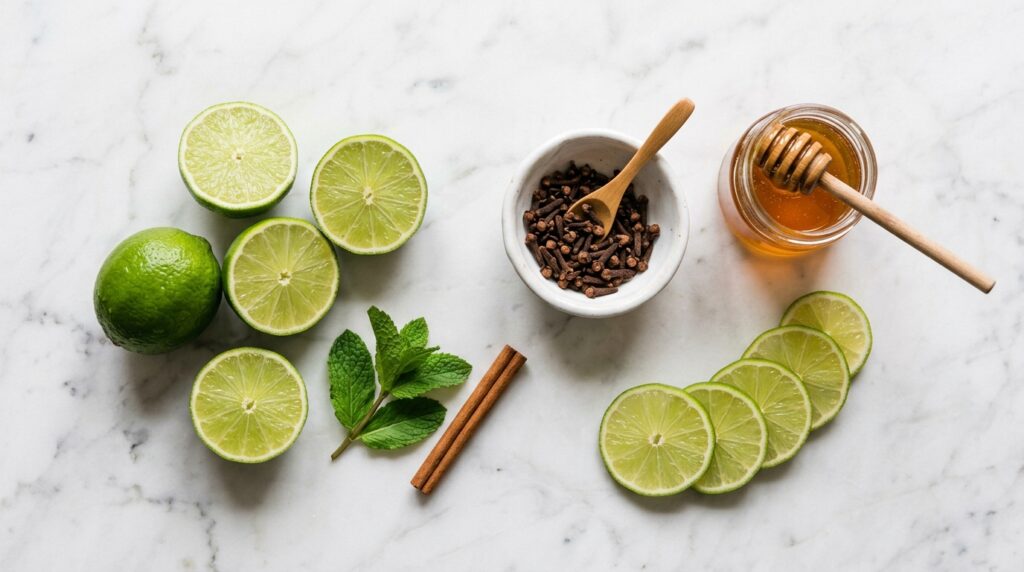
Ingredients
- 6 to 8 whole cloves
- 1 cup of filtered water (8 oz)
- Juice of half a lime (about 1 tablespoon)
- Optional: 1 teaspoon of raw honey
- Optional: a small piece of fresh ginger for extra anti-inflammatory support
How to Make It (Step-by-Step)

- Bring your water to a full boil in a small saucepan or kettle.
- Add the whole cloves directly to the boiling water.
- Reduce heat and let it simmer for 8 to 10 minutes. The longer you simmer, the stronger the eugenol extraction.
- Remove from heat and let it cool for 2 minutes.
- Strain into your mug using a fine mesh strainer.
- Squeeze in the lime juice. Do not add lime while the water is boiling — heat destroys vitamin C.
- Add honey if desired. Stir and enjoy warm.
When to Drink It
Morning: Drink on an empty stomach for digestive and metabolic benefits.
Before bed: The calming properties of cloves help promote restful sleep. Skip the honey if you are monitoring blood sugar.
Before meals: May help reduce appetite and support blood sugar regulation.
Lime and Clove Tea Benefits: What the Research Shows
1. Powerful Anti-Inflammatory Properties
Cloves are one of the most antioxidant-dense spices on the planet. Their main active compound, eugenol, has been studied extensively for its anti-inflammatory effects. Research published in peer-reviewed journals has confirmed that eugenol inhibits the same pathways as many pharmaceutical anti-inflammatory agents, without the side effects. Lime adds flavonoids like hesperidin, which further reduce oxidative stress in the body.
For anyone dealing with chronic joint pain, inflammatory skin conditions, or just the everyday wear and tear of a busy life, this clove and lime tea for inflammation is worth making a daily habit.
If you want to take your anti-inflammatory routine further, consider pairing this tea with a ginger bug recipe with honey — another powerhouse combination.
2. Lime and Clove Tea Benefits for Weight Loss
Let’s be clear about one thing: no tea melts belly fat on its own. That’s not how the body works. But lime and clove tea can be a smart, supportive tool in a weight loss routine — and here is why.
- Cloves may improve insulin sensitivity, meaning your body handles blood sugar more efficiently. Less spiking = fewer cravings.
- Eugenol has been shown in studies to support fat metabolism pathways.
- Lime juice adds vitamin C, which plays a role in fat oxidation during physical activity according to research from Arizona State University.
- Replacing high-calorie morning drinks (lattes, juices) with this zero-calorie tea automatically reduces daily intake.
- The warming effect of cloves may help with mild bloating and water retention.
Drink it consistently, combine it with a real-food diet and movement, and you have a genuinely supportive daily habit — not a magic fix, but a real one.
For more natural weight support recipes, check out our breakdown of the Dr. Jennifer Ashton gelatin trick recipe that’s been getting serious attention lately.
3. Clove and Lime Tea Benefits for Female Health
This is where this tea really shines, and the reason so many women swear by it.
Menstrual cramp relief: Eugenol has antispasmodic and analgesic properties. Studies in animal models have suggested that clove compounds may help relax uterine muscles, which explains why drinking clove tea a few days before your period can ease cramping and bloating.
Hormonal support: Cloves contain phytoestrogens — plant compounds that gently mimic estrogen. For women experiencing perimenopause or irregular cycles, this can help smooth out some of the hormonal fluctuations. This is not a replacement for medical care, but it is a meaningful addition to a wellness routine.
Blood sugar balance for women with PCOS: Up to 80% of women with PCOS deal with insulin resistance. Cloves have been shown in research to support insulin sensitivity and glucose metabolism. Lime adds vitamin C which supports the adrenal glands — often stressed in PCOS.
Skin health: Cloves are rich in antioxidants that fight free radicals — the main driver of premature aging and acne. The combination of clove’s eugenol and lime’s vitamin C can support collagen production and clearer skin from the inside out.
Bone support: Cloves contain manganese and vitamin K, two nutrients essential for maintaining bone density. This becomes increasingly important for women approaching menopause.
4. Digestive Support
Both cloves and lime are known digestive aids. Cloves stimulate the production of digestive enzymes, helping your body break down food more efficiently. Lime’s acidity mimics stomach acid, which supports the digestion of proteins and fats. Together, they make an excellent after-dinner drink for anyone who deals with bloating, gas, or sluggish digestion.
If digestive wellness is a priority for you, also read about how to use lemon balm drops for weight loss and gut health.
5. Immune System Boost
Eugenol in cloves has demonstrated strong antimicrobial, antibacterial, and antiviral properties in laboratory studies. Lime provides a solid dose of vitamin C. One cup of this tea gives your immune system something real to work with, especially during cold and flu season.
6. Oral Health
Cloves have been used as a natural remedy for toothache and bad breath for thousands of years — and modern research confirms why. Eugenol is a natural antiseptic that reduces oral bacteria. Incorporating clove tea into your daily routine can support gum health and fresher breath without synthetic mouthwash.
7. Blood Sugar Regulation
A 2019 clinical study found that individuals who took clove extract daily showed significantly lower blood glucose after meals compared to those who did not. While clove tea uses smaller quantities than clinical extracts, regular consumption as part of a balanced diet may contribute to better glycemic control over time.
Cloves and Lime Recipe Variations

Cloves, Lime, and Honey
Add one teaspoon of raw honey after straining. Honey adds natural antimicrobial properties and makes the drink more palatable for those sensitive to lime’s tartness. This is a popular variation for a nighttime drink or when recovering from a cold.
If you prefer a richer sweetener, try coconut sugar caramel sauce as a natural sweetener option in warm drinks.
Lime, Clove, and Ginger
Add 3 to 4 thin slices of fresh ginger during the simmering phase. Ginger is a proven digestive aid and adds another layer of anti-inflammatory support. This version is particularly popular as a morning metabolism drink.
Iced Lime and Clove Tea
Make a double-strength batch by using 12 cloves per cup of water. After straining, pour over ice. Add lime and a few mint leaves for a refreshing wellness drink that works in summer heat. This is a great zero-sugar alternative to iced tea or lemonade.
Lime, Clove, and Cinnamon
Cinnamon is well-documented for blood sugar support and adds a warming sweetness that balances lime’s tartness. Add one cinnamon stick during simmering. This combination is particularly beneficial for women with PCOS or anyone monitoring blood glucose.
Looking for more refreshing drinks? Our ranch water recipe is another USA-favorite that’s simple, light, and totally crowd-pleasing.
Frequently Asked Questions
What not to mix clove tea with?
Avoid mixing clove tea with blood-thinning medications such as warfarin, as cloves have natural anticoagulant properties that could amplify the drug’s effects. Also avoid pairing it with clove oil (which is far more concentrated and can be toxic), and be cautious with large amounts of diabetes medication since cloves may lower blood sugar. If you are on prescription medications, check with your doctor before drinking this tea regularly. Beyond medications, avoid adding dairy or milk — the fat can interfere with polyphenol absorption. Skip the sugar if your goal is weight management or blood sugar control.
What are the benefits of cloves and lemon tea?
Clove and lemon tea (or lime — both work similarly) delivers a combination of antioxidants, vitamin C, anti-inflammatory eugenol, and digestive enzymes. The main benefits include: reduced inflammation, improved digestion, immune support, potential blood sugar regulation, oral health support, and for women specifically — menstrual comfort and hormonal support. The citrus element adds vitamin C which works synergistically with clove’s antioxidants to fight oxidative stress.
Does clove water help with hyperpigmentation?
There is growing interest in this area. Cloves contain eugenol and other antioxidants that help reduce oxidative stress in skin cells — one of the drivers of hyperpigmentation. While drinking clove water will not replace a targeted skincare routine, the anti-inflammatory and antioxidant properties can support overall skin clarity from within. Some people also use cooled clove tea as a face toner, though anyone with sensitive skin should patch test first. The combination with lime — which contains vitamin C — may offer additional brightening support, since vitamin C is one of the most researched compounds for skin tone.
Are cloves good for nerves?
Yes, and this is one of the less talked-about benefits. Eugenol has mild analgesic properties — it is literally used in dentistry as a natural pain reliever for exactly this reason. Beyond pain relief, cloves contain manganese, a mineral that supports proper nerve function and neurotransmitter activity. The warming aroma of cloves has also been associated with calming effects on the nervous system, which may help reduce stress and anxiety when consumed as a warm tea. For anyone dealing with nerve-related discomfort, tension headaches, or general anxiety, a cup of warm lime and clove tea in the evening can be a genuinely soothing addition to a wind-down routine.
Who should be careful with lime and clove tea?
While this tea is safe for most healthy adults, there are a few groups who should use caution. Pregnant women: Cloves may stimulate uterine contractions in concentrated amounts. Culinary quantities are generally considered safe, but therapeutic doses are not recommended during pregnancy. People on blood thinners: Cloves have anticoagulant properties, so consult your doctor before regular use. People with sensitive stomachs: Start with fewer cloves (3 to 4) and increase gradually because too much eugenol can cause nausea in sensitive individuals. People with acid reflux: Lime’s acidity may aggravate reflux in some people, so drink after meals rather than on an empty stomach. Children under 6: Clove tea is not recommended for very young children.
How often should you drink lime and clove tea?
For most healthy adults, 1 to 2 cups per day is ideal. Drinking it on an empty stomach in the morning can maximize digestive and metabolic benefits. A second cup before bed is fine for most people and may support relaxation and overnight detox processes. Consistency matters more than quantity — the benefits build over weeks of regular consumption.
Can you make lime and clove tea ahead of time?
Yes. You can make a larger batch of clove-steeped water without the lime and store it in the refrigerator for up to 3 days in an airtight container or mason jar. When ready to drink, reheat gently and add fresh lime juice. Avoid storing it with lime already added, because vitamin C degrades quickly and the flavor can become bitter.
How to Store Lime and Clove Tea
Made a big batch of lime and clove tea? Store the clove-steeped water (without lime) in an airtight jar in the fridge for up to 3 days. Add fresh lime juice only when serving to preserve vitamin C.
Final Thoughts
Lime and clove tea is one of the simplest, most affordable herbal drinks you can make at home — and one of the most effective. With ingredients that cost almost nothing and a preparation time under 15 minutes, there is really no barrier to trying it. The anti-inflammatory benefits are real, the digestive support is real, and the women-specific benefits — from menstrual relief to skin health — are grounded in both traditional use and modern research.
Make it once, notice how you feel, and build from there. Whether you are chasing weight loss goals, looking to ease inflammation, or simply replacing a morning coffee with something gentler, this ancient tonic has earned its place in modern kitchens.
Ready to explore more clove-based wellness recipes? Start with our full guide on the clove water recipe and all its benefits.
Print
Lime and Clove Tea: The Ancient Wellness Drink That Actually Works
- Total Time: 15 minutes
- Yield: 1 cup 1x
- Diet: Vegan
Description
A simple herbal tonic made with whole cloves and fresh lime juice. This warming tea is caffeine-free and known for its anti-inflammatory, digestive, and immune-supporting benefits.
Ingredients
- 6 to 8 whole cloves
- 1 cup filtered water (8 oz)
- Juice of 1/2 lime (about 1 tablespoon)
- 1 teaspoon raw honey (optional)
- Small piece fresh ginger, sliced (optional)
Instructions
- Bring the water to a full boil in a small saucepan or kettle.
- Add the whole cloves directly to the boiling water.
- Reduce heat and let it simmer for 8 to 10 minutes.
- Remove from heat and let the tea cool for about 2 minutes.
- Strain the tea into a mug using a fine mesh strainer.
- Squeeze in the fresh lime juice.
- Add honey if desired and stir well.
- Serve warm and enjoy.
Notes
Do not add lime while the water is boiling to preserve vitamin C. Adjust the number of cloves depending on how strong you prefer the tea.
- Prep Time: 5 minutes
- Cook Time: 10 minutes
- Category: Drink
- Method: Simmered
- Cuisine: Herbal
Nutrition
- Serving Size: 1 cup
- Calories: 5
- Sugar: 0g
- Sodium: 2mg
- Fat: 0g
- Saturated Fat: 0g
- Unsaturated Fat: 0g
- Trans Fat: 0g
- Carbohydrates: 1g
- Fiber: 0g
- Protein: 0g
- Cholesterol: 0mg
Keywords: lime and clove tea, clove tea recipe, lime clove drink, herbal tea, immune boosting tea