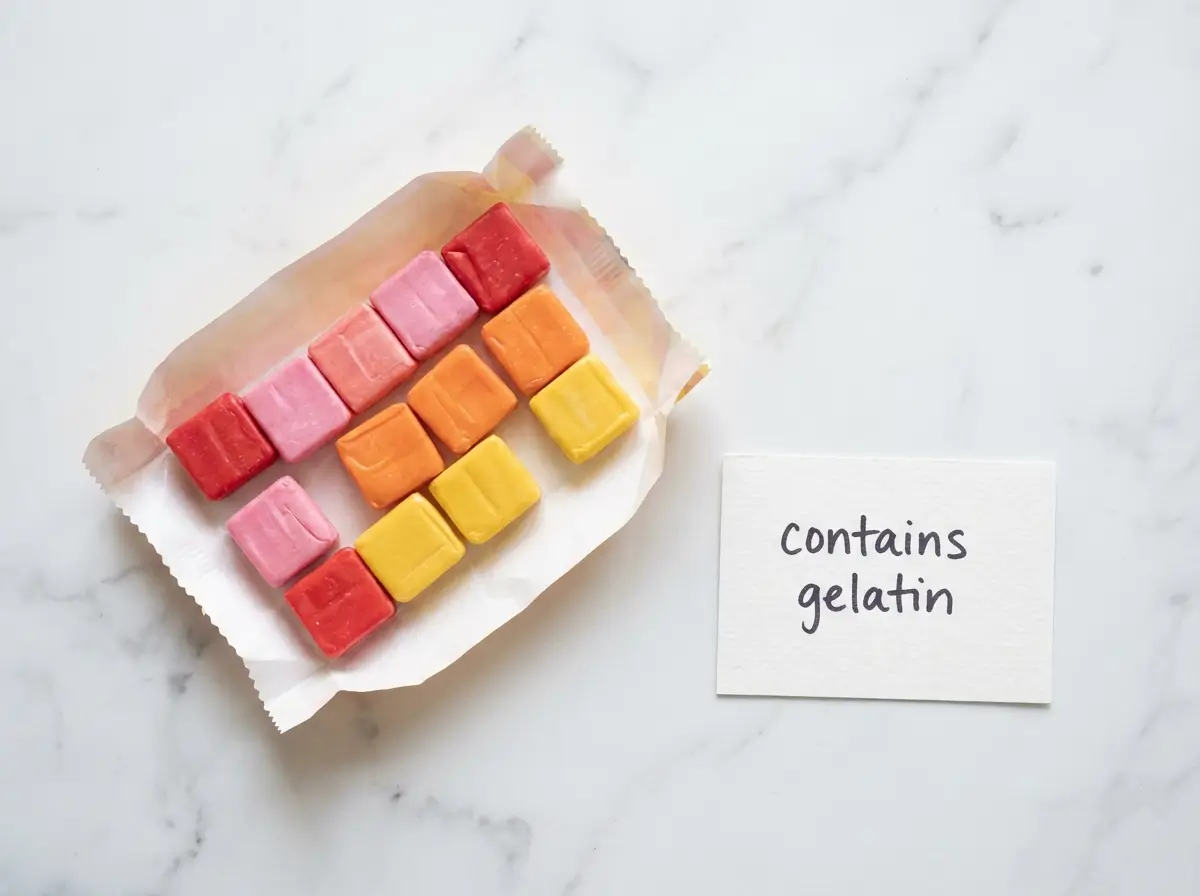
Do Starbursts have gelatin? Yes — but not always in the way most people expect.
Most people assume Starbursts are gelatin-free because they look like fruit candy. That assumption is incorrect, and it explains why this question has surged in search trends across the United States in 2026.
Starbursts are one of the most misunderstood candies when it comes to ingredients.
Consumers are no longer just asking what tastes good — they are asking whether a product is halal, vegan, or contains gelatin. This same trend is driving strong interest in related questions like do Nerds gummy clusters contain gelatin, showing that ingredient awareness in candy is now mainstream.
This guide explains which Starburst products contain gelatin, what type of gelatin is used, which versions are suitable for different diets, and what alternatives exist.
Do Original Starburst Chews Have Gelatin?
Yes. Original Starburst fruit chews contain gelatin.
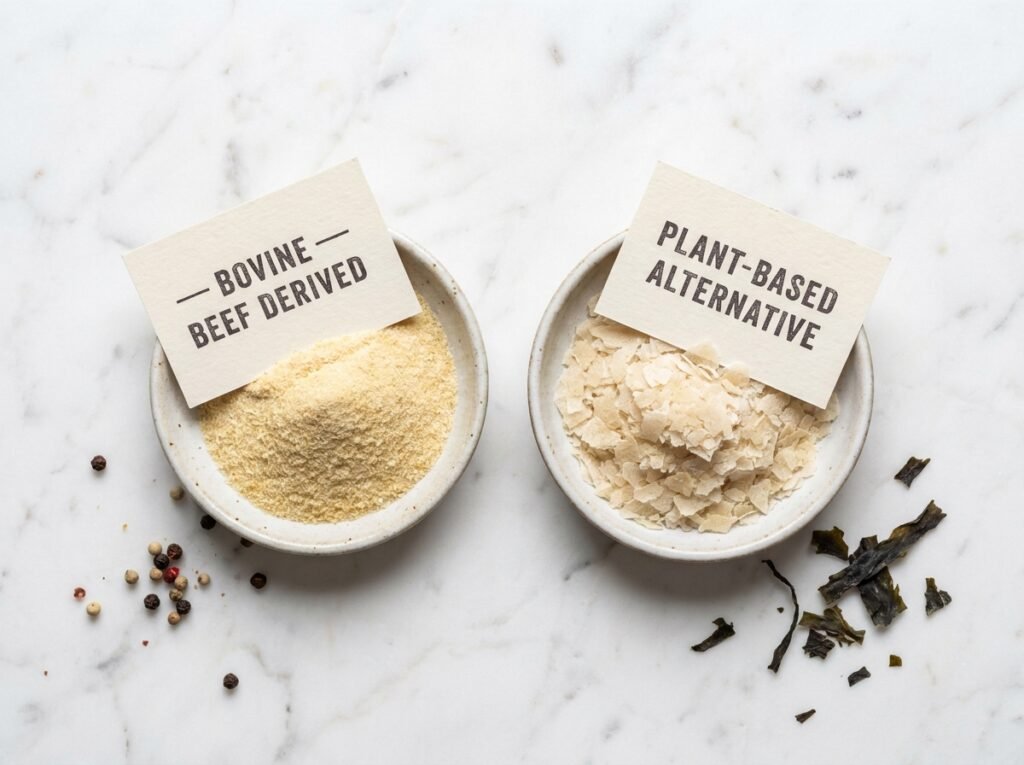
In the United States, the gelatin used is bovine (beef-derived). This excludes the product from several dietary categories:
- Not vegetarian
- Not vegan
- Not halal-certified
- Not kosher
Gelatin is not just an additive. It is a structural ingredient that gives Starburst its elasticity, chewiness, and resistance to breaking. Without gelatin, the candy would behave more like a firm fruit chew.
To understand this mechanism, see what gelatin is actually made of and how it forms a flexible network.
Which Starburst Products Contain Gelatin?
Not all Starburst products are identical. Here is the breakdown:
| Product | Contains Gelatin? | Source |
|---|---|---|
| Original Chews | Yes | Bovine |
| Starburst Minis | Yes | Bovine |
| Starburst Gummies | Yes | Bovine |
| Sour Chews | Yes | Bovine |
| FaveREDs | Yes | Bovine |
| Swirlers | Yes | Bovine |
| Jelly Beans | No | Gelatin-free |
The only gelatin-free Starburst product widely available in the United States is Jelly Beans, which use a starch-based structure instead of gelatin.
Why People Think Starbursts Are Gelatin-Free
This misunderstanding is common.
Consumers often assume that fruit-flavored candy is plant-based or that soft texture comes from sugar alone. In reality, texture is engineered and ingredients are chosen for functionality, not intuition.
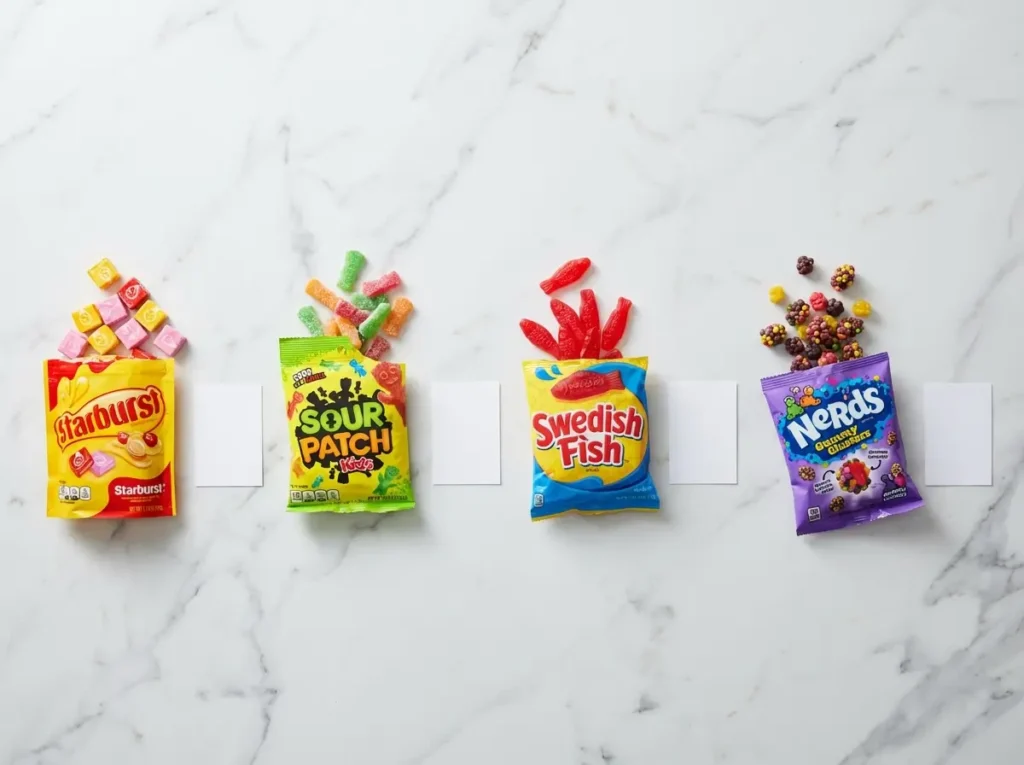
The same confusion appears in products like Nerds gummy clusters gelatin content, which look harmless but contain animal-derived gelatin.
Gelatin vs Pectin in Candy
There are two main systems used to create chewy candy.
Gelatin-based candy uses animal-derived protein to create a stretchy and elastic texture. This is the system used in Starburst and many gummies.
Pectin-based candy uses fruit-derived fiber and produces a softer texture. This is common in vegan candy.
For example, Swedish Fish are gelatin free because they rely on starch and plant-based gelling agents instead of gelatin.
This distinction is important for vegan, halal, and ingredient-conscious consumers.
Why Manufacturers Use Gelatin Instead of Pectin
Gelatin is widely used in industrial candy production for several reasons.
It is cost-effective at scale, produces a strong elastic texture, and remains stable during transport and storage. It also creates a consistent mouthfeel across batches.
Pectin is more expensive, less elastic, and more sensitive to formulation conditions. For this reason, most traditional chewy candies in the United States continue to use gelatin.
Full Ingredient Breakdown
Starbursts are a formulated product. Their ingredients typically include:
- Corn syrup
- Sugar
- Hydrogenated palm oil
- Citric acid
- Natural and artificial flavors
- Gelatin
Each component has a function. Corn syrup contributes to sweetness and texture, palm oil adds smoothness, and gelatin provides elasticity.
If you want full control over ingredients, a homemade jello candy recipe allows you to choose the gelatin source and adjust sugar levels.
Are Starbursts Healthy?
Starbursts are not considered a healthy food.
They contain high levels of added sugar, refined ingredients, and minimal nutritional value. Although gelatin is a protein, the amount present in candy is too small to provide benefits.
This is different from structured uses of gelatin, such as the Mounjaro-style jello recipe, where gelatin is consumed in a controlled way for satiety.
US vs UK Starburst
Starburst formulations differ by region.
In the United States, Starbursts contain gelatin. In the United Kingdom, they are often made without gelatin and use alternative gelling systems.
This explains why information about Starburst ingredients can appear inconsistent online.
Best Gelatin-Free Alternatives
If you want to avoid gelatin, alternatives include:
Swedish Fish
Sour Patch Kids
Pectin-based fruit candies
Even homemade-style gelatin-free marshmallows can be a fun option for readers looking for soft, chewy sweets without traditional animal-based gelatin.
These products rely on plant-based thickening systems.
Can You Replace Starbursts with Homemade Candy?
Yes. Making your own candy is a practical alternative.
Using a jello candy recipe at home allows you to control ingredients, reduce sugar, and choose the type of gelatin used.
Common Mistakes About Gelatin in Candy
Several misconceptions lead to confusion:
Fruit flavor does not mean plant-based ingredients.
Soft candy does not mean gelatin-free.
Gelatin can come from beef, pork, or fish.
The same product can have different ingredients in different countries.
Understanding these points helps avoid dietary mistakes.
Why Gelatin Matters
Gelatin plays a structural role in food. It creates elasticity, supports texture, and can contribute to fullness.
This is why it appears in functional recipes such as gelatin-based appetite control recipes.
This is why gelatin appears in functional approaches and recipes focused on satiety and metabolism, including structured methods like the Dr. William Li gelatin recipe
Are Starbursts Halal?
No. Standard Starburst products in the United States are not halal-certified.
Are Starbursts Kosher?
No. Some Jelly Bean variants may be kosher, depending on certification.
Are Starbursts Vegan or Vegetarian?
No. They contain animal-derived gelatin.
Comparing brands? See our list of halal gummy candy, with what each label says about gelatin.
Frequently Asked Questions
Do Starbursts have gelatin?
Yes. Most Starburst products contain bovine gelatin.
Are Starbursts pork-free?
Yes. In the US they use beef gelatin.
Are Starbursts gluten free?
Yes. See is gelatin gluten free for details.
Are Starbursts dairy free?
Yes. They do not contain dairy ingredients.
Why are UK Starbursts different?
Different formulations are used based on regional standards.
Are Starbursts safe for dietary restrictions?
They are not suitable for vegan, vegetarian, or halal diets.
Are Starbursts Safe for Kids and Everyday Consumption?
Starbursts are widely marketed as a fun and colorful candy, which naturally makes them appealing to children. However, from a nutritional standpoint, they should be considered an occasional treat rather than a regular part of a daily diet.
One of the main concerns is sugar content. Starbursts are primarily made of sugar and corn syrup, which means they can contribute to rapid spikes in blood sugar levels. For children, frequent consumption of high-sugar foods is associated with increased risk of cavities, energy crashes, and long-term dietary habits that lean toward processed foods.
Another factor to consider is texture. Because Starbursts are chewy and sticky, they can adhere to teeth more easily than hard candies. This increases the likelihood of dental issues if proper oral hygiene is not maintained after consumption.
From an ingredient perspective, parents should also be aware of gelatin. While gelatin itself is not harmful, it may not align with certain dietary preferences or restrictions, including vegetarian, vegan, or halal diets. This makes it important to read labels carefully, especially when buying candy for children with specific dietary needs.
There is also the question of portion control. Starbursts are easy to overconsume because they are individually wrapped and bite-sized. This makes it simple to eat multiple servings without realizing it, leading to higher sugar intake than intended.
For families looking for alternatives, options like fruit-based snacks or homemade treats can be a better choice. Making candy at home using a controlled recipe allows you to reduce sugar, avoid additives, and choose the ingredients that fit your dietary preferences.
In summary, Starbursts are safe to eat in moderation, but they should not be considered a healthy snack. Like most candies, they are best enjoyed occasionally rather than daily.
Do Starbursts Affect Weight Loss or Diet Goals?
For people following weight management or structured eating plans, Starbursts are not an ideal choice.
The primary issue is their composition. Starbursts are high in sugar and low in protein, fiber, and other nutrients that promote satiety. This means they provide quick energy but do not help you feel full for long.
In contrast, some dietary approaches use gelatin in a very different way. For example, structured recipes that use unflavored gelatin in water or tea are sometimes used to promote fullness before meals. These recipes rely on the protein content of gelatin without added sugar.
Candy does not work the same way. The small amount of gelatin in Starbursts is overshadowed by the sugar content, which can actually increase hunger shortly after consumption due to blood sugar fluctuations.
Another important factor is calorie density. Because Starbursts are easy to eat quickly, it is possible to consume a large number of calories in a short period of time without feeling satisfied.
For anyone trying to lose weight or maintain a balanced diet, it is generally better to choose foods that provide sustained energy, such as those containing protein and fiber. Occasional treats are fine, but they should not replace more nutritionally balanced options.
Understanding this distinction helps explain why gelatin-based health recipes are trending while gelatin-containing candy is not considered beneficial in the same context.
Final Verdict — Do Starbursts Have Gelatin?
Do Starbursts have gelatin? Yes — almost all Starburst products sold in the United States contain bovine gelatin.
The only exception is Starburst Jelly Beans, which are gelatin-free.
Starburst is a gelatin-based candy and is not vegan, not vegetarian, and not halal-certified.
1 thought on “Do Starbursts Have Gelatin? The Full Ingredient Breakdown (2026 Guide)”