
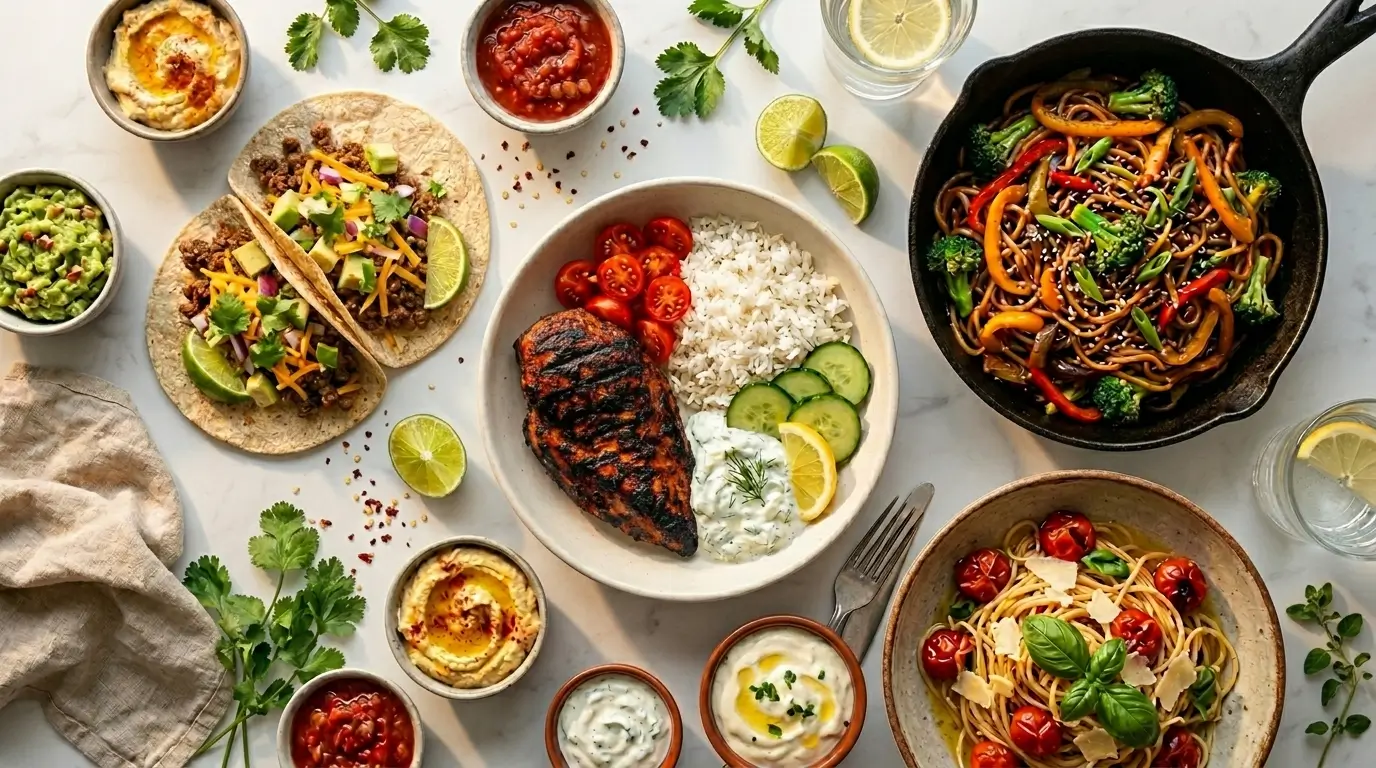
If you have been searching for the best recipes jalbiteworldfood, you are not alone. Millions of home cooks across the United States are turning to international kitchens for dinner inspiration — and the results are changing how American families eat every day. This guide goes beyond what you will find anywhere else. We break down what jalbiteworldfood really means, why these recipes perform so well at home, and exactly how to cook them with ingredients from your local grocery store.
Whether you are a beginner cook or someone who has been in the kitchen for years, this resource gives you everything you need: global flavor profiles, cooking methods, ingredient swaps, serving ideas, and fully tested recipe breakdowns — all in one place.
What You Will Find in This Guide
- What JalbiteWorldFood Really Means
- Why These Global Recipes Are Trending in the US
- Key Ingredients That Power Global Flavor
- Popular Global Dishes You Should Try at Home
- How to Cook Best Recipes JalbiteWorldFood Step by Step
- Pro Cooking Tips for Perfect Results
- Serving Ideas and Flavor Variations
- Frequently Asked Questions
What JalbiteWorldFood Really Means
The term best recipes jalbiteworldfood has become shorthand for a specific kind of cooking that blends international inspiration with approachable home kitchen techniques. It is not a cuisine from one country. Instead, it represents the growing movement of home cooks who want to recreate the bold, complex flavors they discover at restaurants, food markets, and on social media — without needing a professional kitchen.
The concept pulls from Mediterranean classics, Asian street food, Latin American comfort dishes, and European slow-cooking traditions. What ties them together is a shared philosophy: use fresh ingredients, layer flavors intentionally, and follow techniques that are simple enough for a weeknight dinner.
Why Best Recipes JalbiteWorldFood Are Trending Across the US
Social media has completely changed how Americans discover food. A dish filmed in Tokyo, Istanbul, or Mexico City can go viral overnight — and within days, home cooks across the country are trying to recreate it. This is exactly the engine behind the surge in searches for best recipes jalbiteworldfood.
There are three main reasons these recipes are growing so fast:
- Accessibility: International ingredients are now available in most major US supermarkets, not just specialty stores.
- Flavor fatigue: After years of familiar meals, American families are craving variety, heat, and complexity.
- Beginner-friendly formats: The best global recipes are designed to be cooked simply at home with clear steps.
The table below summarizes what makes these recipes so appealing to US home cooks:
| Feature | What It Means | Why Americans Love It |
| Global Inspiration | Recipes from multiple countries and culinary traditions | Brings new excitement to weeknight dinners |
| Accessible Ingredients | Uses items found at Walmart, Kroger, or any US grocery store | No expensive specialty shopping required |
| Beginner-Friendly Steps | Clear prep, simple cooking methods, forgiving techniques | Works for any skill level in the kitchen |
| Bold Flavor Profiles | Spices, herbs, acids, and umami working together | More satisfying and memorable than plain meals |
| Customizable | Easily adjusted for diet, spice level, or available ingredients | The whole family can enjoy the same dish |
Key Ingredients That Power Best Recipes JalbiteWorldFood
One of the biggest questions new cooks have is: what do I need to get started? The good news is that most of the core ingredients behind the best recipes jalbiteworldfood are already sitting in your pantry or easy to grab at any supermarket.
Fresh Herbs and Aromatics
Fresh herbs are the foundation of global cooking. Cilantro, parsley, basil, mint, and thyme each bring a distinct layer that dried herbs simply cannot replicate. Aromatics like garlic, onion, ginger, and lemongrass are the starting points for flavor in almost every tradition — Mediterranean, Asian, Latin American, and beyond.
Spices That Build Global Flavor
Spices are the single biggest difference between a flat meal and a dish that stops you mid-bite. The best recipes jalbiteworldfood consistently rely on a core spice toolkit. Depending on the region, you will use cumin, smoked paprika, turmeric, coriander, cinnamon, chili flakes, or sumac.
The key is not to use them all at once — it is knowing which spice belongs to which flavor world. Cumin and chili belong to Latin and Mexican cooking. Turmeric and coriander anchor South Asian dishes. Smoked paprika defines Spanish and Mediterranean profiles.
Versatile Proteins
Protein choice is flexible in global cooking. Chicken thighs are the most forgiving and widely used — they absorb marinades beautifully and stay juicy through high heat. Beef works best for Latin and Mediterranean preparations. Seafood and tofu cover Asian-inspired dishes.
Flavor Enhancers and Sauces
What separates average global cooking from excellent results is the sauce layer. Soy sauce, fish sauce, harissa, tahini, coconut milk, and tomato paste each bring depth that dry spices alone cannot achieve. These ingredients balance the four taste dimensions — salt, acid, fat, and heat — and create the rounded finish that makes people reach for seconds.
| Ingredient Category | Examples | Purpose in Dish |
| Fresh Herbs | Cilantro, basil, mint, parsley | Adds brightness and aroma |
| Aromatics | Garlic, ginger, onion, lemongrass | Builds the flavor base |
| Spices | Cumin, turmeric, smoked paprika, sumac | Creates regional identity |
| Proteins | Chicken thighs, beef, shrimp, tofu | Main component of the dish |
| Sauces | Soy sauce, tahini, coconut milk, harissa | Ties flavors together and adds depth |
| Acids | Lime, lemon, vinegar, yogurt | Balances richness and adds freshness |
Popular Global Dishes You Should Try at Home
The best recipes jalbiteworldfood spans dozens of culinary traditions. Below are the most popular categories that US home cooks are successfully recreating — with notes on what makes each one work.
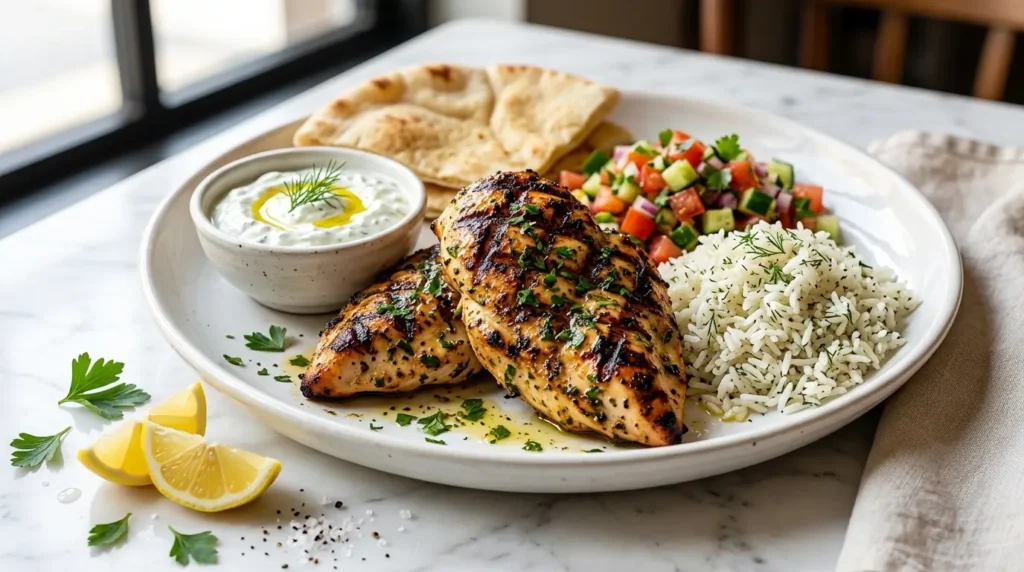
Mediterranean Herb Chicken
This dish is one of the most searched global preparations in the US. Bone-in chicken thighs marinated in olive oil, lemon juice, garlic, oregano, and fresh thyme — then roasted at high heat until the skin is crisp and the interior is deeply juicy. The Mediterranean approach works because it combines acid, fat, and aromatic herbs in a way that is almost impossible to overcook.
Serve with a simple green salad, warm flatbread, and a garlic yogurt sauce. The combination delivers a restaurant-quality result in under an hour.
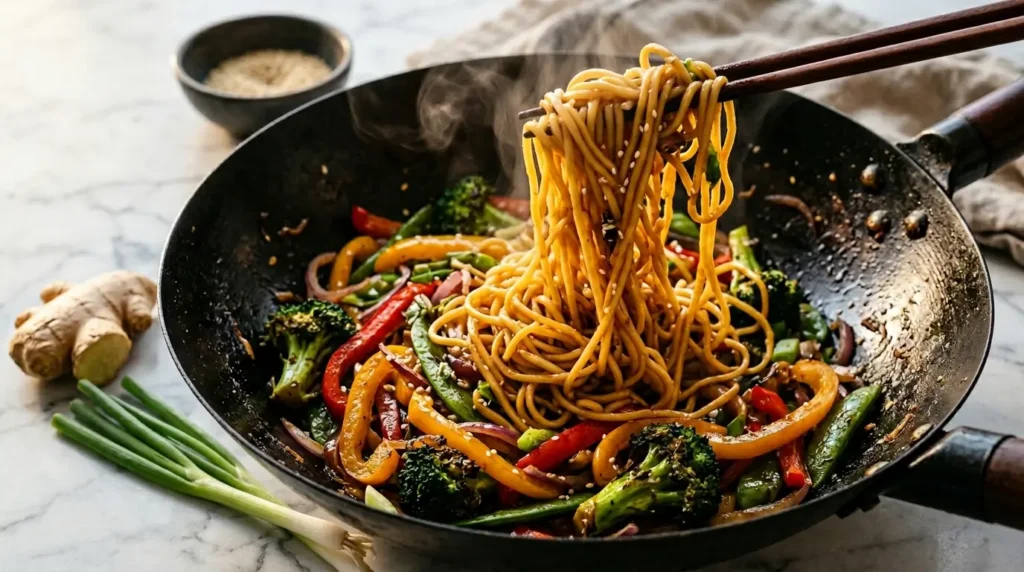
Asian Vegetable Stir Fry
Asian stir fry is the fastest route to a complete, nutritious, globally inspired dinner. The method is high heat, short time, and layered ingredients added in the right order. Start with aromatics — garlic, ginger — then protein, then vegetables by density, finishing with your sauce.
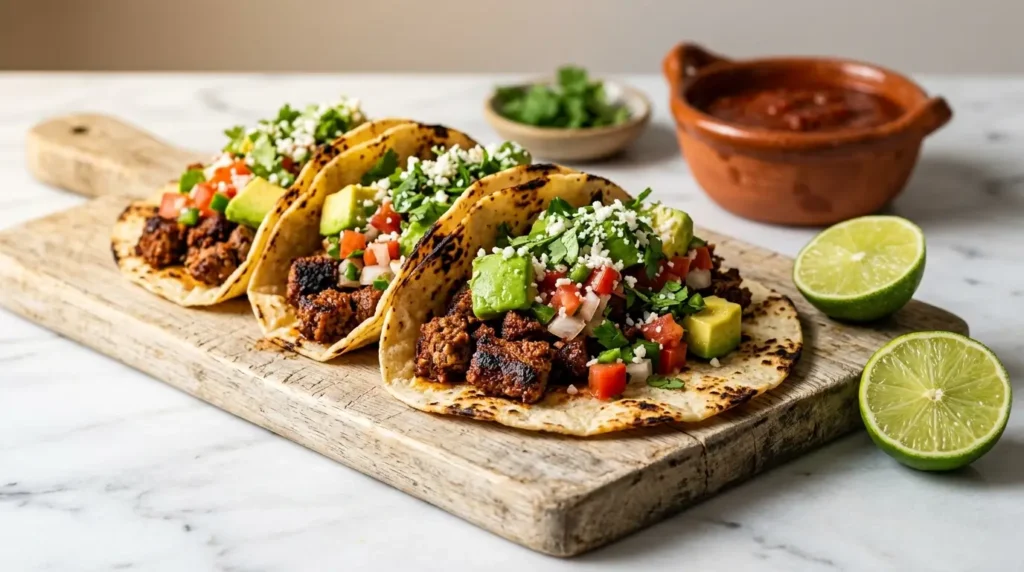
Mexican Street Tacos
Authentic Mexican street tacos are a masterclass in restraint. Small corn tortillas, well-seasoned meat, fresh cilantro, white onion, and a squeeze of lime. No cheese, no sour cream — just clean, sharp flavors that pop. The secret is in the marinade: citrus juice, garlic, cumin, and a touch of chili break down the meat and infuse it with flavor before the pan even gets hot.
Italian Garlic Pasta
Aglio e olio — garlic and oil pasta — is one of the most elegant expressions of Italian cooking. Six ingredients. Twenty minutes. The result is silky, fragrant, and deeply satisfying. The technique is everything: bloom the garlic slowly in olive oil until golden (never brown), add pasta water to create an emulsified sauce, finish with parsley and chili flakes.
European Comfort Classics
French onion soup, Hungarian paprikash, Spanish chorizo stew — European comfort cooking shares one defining trait: patience. Long, slow cooking transforms inexpensive cuts and humble vegetables into deeply flavored dishes. These are weekend project recipes that reward the wait.
How to Cook Best Recipes JalbiteWorldFood at Home: Step-by-Step
The process for nailing any dish from the best recipes jalbiteworldfood collection follows a repeatable structure. Once you understand the framework, you can apply it to any global recipe.
Step 1: Gather Fresh, Quality Ingredients
Quality starts at the grocery store. For proteins, choose the cut that is recommended in the recipe — do not substitute boneless for bone-in without adjusting your timing. For vegetables, buy fresh. Wilted produce means weak flavor regardless of how good your technique is.
For spices, check the date on your jars. Ground spices lose potency after 6 months. If your cumin smells like nothing, it will cook like nothing.
Step 2: Prepare Ingredients Before Cooking
Mise en place — the French term for ‘everything in its place’ — is non-negotiable in global cooking. Chop aromatics, measure spices, mix sauces, and pat proteins dry before the pan goes on the heat. Once cooking starts, things move fast. Stopping to mince garlic mid-stir means burnt aromatics and lost flavor.
Step 3: Follow the Cooking Method Carefully
Every regional cooking tradition has a method logic. Stir fry requires high heat and constant movement. Braises need low heat and patience. Roasting demands dry surfaces and an oven that has been fully preheated. Respecting these method requirements is how you get results that match what you tasted at a restaurant.
Step 4: Balance Flavors Before Serving
Taste your dish before it hits the table. Global cooking relies on balance: salt, acid, fat, and heat in proportion. If something tastes flat, add acid — a squeeze of lime or a splash of vinegar. If it tastes harsh, add fat — a swirl of olive oil or a spoon of butter. This final adjustment is what separates good cooks from great ones.
Step 5: Rest and Plate Thoughtfully
Resting meat after cooking is not optional — it is physics. Proteins need 5–10 minutes for their juices to redistribute. Cutting too early means all that flavor runs onto the cutting board. Thoughtful plating — a drizzle of sauce, a scatter of fresh herbs, a wedge of citrus — makes the dish feel complete and signals care to everyone at the table.
| Step | Action | Why It Matters |
| 1 – Prep Ingredients | Wash, chop, and measure everything | Prevents rushed errors during cooking |
| 2 – Build Flavor Base | Cook aromatics in oil until fragrant | Creates the foundation of the dish’s flavor |
| 3 – Add Main Ingredients | Add proteins and dense vegetables first | Ensures even cooking across components |
| 4 – Apply Cooking Method | Stir, simmer, roast, or braise as directed | Matches texture to the intended dish |
| 5 – Finish With Herbs and Acid | Add fresh herbs, citrus, or vinegar last | Brightens flavors and adds freshness |
Pro Cooking Tips for Best Recipes JalbiteWorldFood
These tips come directly from patterns observed across hundreds of successful global home cooking sessions. Apply them to any recipe from the jalbiteworldfood collection.
Use the Right Temperature
Most global dishes fail because of wrong temperature, not wrong ingredients. Stir fry must be cooked over the highest heat your stove can produce — medium heat gives you steamed, soggy vegetables, not crispy, charred ones. Braised dishes need the lowest sustainable simmer — if it is boiling, it is too hot and the proteins will tighten.
Season in Layers
Add seasoning at each stage of cooking — not just at the end. Salt your aromatics when they hit the pan. Season your protein before it cooks. Adjust once more at the finish. This distributes flavor throughout the dish rather than concentrating it on the surface.
Taste While You Cook
Tasting continuously is how professional kitchens work. You cannot season from memory. Every ingredient — even the same brand of soy sauce or canned tomatoes — varies batch to batch. Regular tasting lets you adjust before the dish is locked in.
Keep Ingredients Balanced
No single element should dominate. The best global recipes use heat, acid, salt, and fat in proportions that complement each other. If a dish is too spicy, add yogurt or coconut milk. Too acidic? A pinch of sugar or a drizzle of honey pulls it back. Too rich? A squeeze of lemon cuts right through.
| Tip | When to Use | Result |
| High Heat | Stir fries, searing proteins | Caramelization, crispy textures |
| Season in Layers | Every cooking stage | Deep, integrated flavor |
| Taste as You Go | Throughout the cooking process | Catches imbalances early |
| Balance With Acid | When the dish tastes flat or too rich | Brightness and freshness |
| Fresh Herb Finish | Just before serving | Vivid color and aroma |
Example Dish Comparison: Global Recipes Side by Side
Understanding how different global traditions approach the same meal type — protein, sauce, and side — helps you build cooking instincts that apply across recipes.
| Dish | Culinary Origin | Cooking Method | Flavor Profile |
| Herb Chicken | Mediterranean | Roasted at high heat | Bright, herby, slightly acidic |
| Vegetable Stir Fry | Asian | High-heat wok or skillet | Umami, savory, slightly sweet |
| Street Tacos | Mexican | Griddle or cast iron | Smoky, citrusy, spiced |
| Garlic Pasta | Italian | Stovetop sauté | Rich, aromatic, delicate |
| Creamy Paprikash | Eastern European | Slow braise | Deep, smoky, warming |
Serving Ideas and Variations for Global Recipes
Presentation and pairing choices can transform a good dish into a memorable meal. These approaches apply across the best recipes jalbiteworldfood collection.
Pair Main Dishes With Complementary Sides
Global cooking shines when the sides reinforce the flavor story of the main. Mediterranean chicken pairs beautifully with tabbouleh, roasted vegetables, or warm pita. Asian stir fry belongs alongside steamed jasmine rice or cold sesame noodles. Mexican tacos reach their peak next to Mexican rice, pinto beans, and charred salsa.
Adapt Recipes to Personal Preferences
One of the great strengths of global cooking is flexibility. Heat levels, protein swaps, and sauce adjustments are all easy to make without breaking the dish. Reduce chili for sensitive eaters. Swap chicken for tofu in Asian recipes. Use Greek yogurt instead of heavy cream in Mediterranean preparations.
Improve Presentation With Simple Garnishes
You eat with your eyes first. A handful of chopped fresh cilantro, a drizzle of good olive oil, or a scatter of toasted sesame seeds costs almost nothing but signals care and expertise. These small visual touches make home-cooked global dishes look as good as restaurant plating.
| Main Dish | Suggested Sides | Garnish Ideas |
| Mediterranean Herb Chicken | Tabbouleh, warm pita, roasted peppers | Fresh parsley, lemon wedge, za’atar |
| Asian Vegetable Stir Fry | Jasmine rice, miso soup, edamame | Sesame seeds, scallions, chili oil |
| Mexican Street Tacos | Mexican rice, black beans, charred corn | Fresh cilantro, lime, pickled onion |
| Italian Garlic Pasta | Simple green salad, crusty bread | Lemon zest, extra parsley, chili flakes |
Frequently Asked Questions About Best Recipes JalbiteWorldFood
What does best recipes jalbiteworldfood mean?
It refers to a collection of globally inspired, home-friendly recipes that draw from multiple culinary traditions — Mediterranean, Asian, Latin American, and European — and prioritize accessible ingredients and simple techniques for the US home kitchen.
Are jalbiteworldfood recipes suitable for beginners?
Yes. The majority of these recipes use techniques — sautéing, roasting, simmering — that any cook can master with a basic skillet and oven. Start with Mediterranean chicken or a simple stir fry and build from there.
What ingredients are most commonly used?
Garlic, onion, fresh herbs, olive oil, soy sauce, cumin, smoked paprika, and citrus appear across almost every tradition. Stocking these basics means you are always ready to cook from the jalbiteworldfood collection without a last-minute shopping trip.
Can these recipes be customized for dietary restrictions?
Absolutely. Protein swaps, dairy-free adaptations, gluten-free versions, and heat adjustments are all straightforward in global cooking. The flavor architecture stays intact even when individual ingredients change.
What cooking methods are most common?
High-heat stir frying, oven roasting, stovetop sautéing, and slow braising cover the full range of best recipes jalbiteworldfood techniques. Each method is well-explained in any reliable recipe and easy to follow at home with standard equipment.
How can home cooks improve their results?
Three things make the biggest difference: using fresh ingredients over packaged shortcuts, seasoning in layers throughout cooking rather than only at the end, and tasting continuously to catch imbalances before they become problems.
Conclusion
The best recipes jalbiteworldfood represents something genuinely exciting in American home cooking: the idea that you do not need to travel to experience the world’s great flavors. With the right techniques, quality ingredients, and a willingness to try something new, any home kitchen can produce dishes that are as bold, complex, and satisfying as anything you would find at a restaurant.
From Mediterranean herb chicken to Asian stir fry, from Mexican street tacos to Italian garlic pasta — the global kitchen is wide open and closer than ever. The recipes on sistafood.com are tested, clear, and built specifically for the US home cook who wants real results without professional training.