
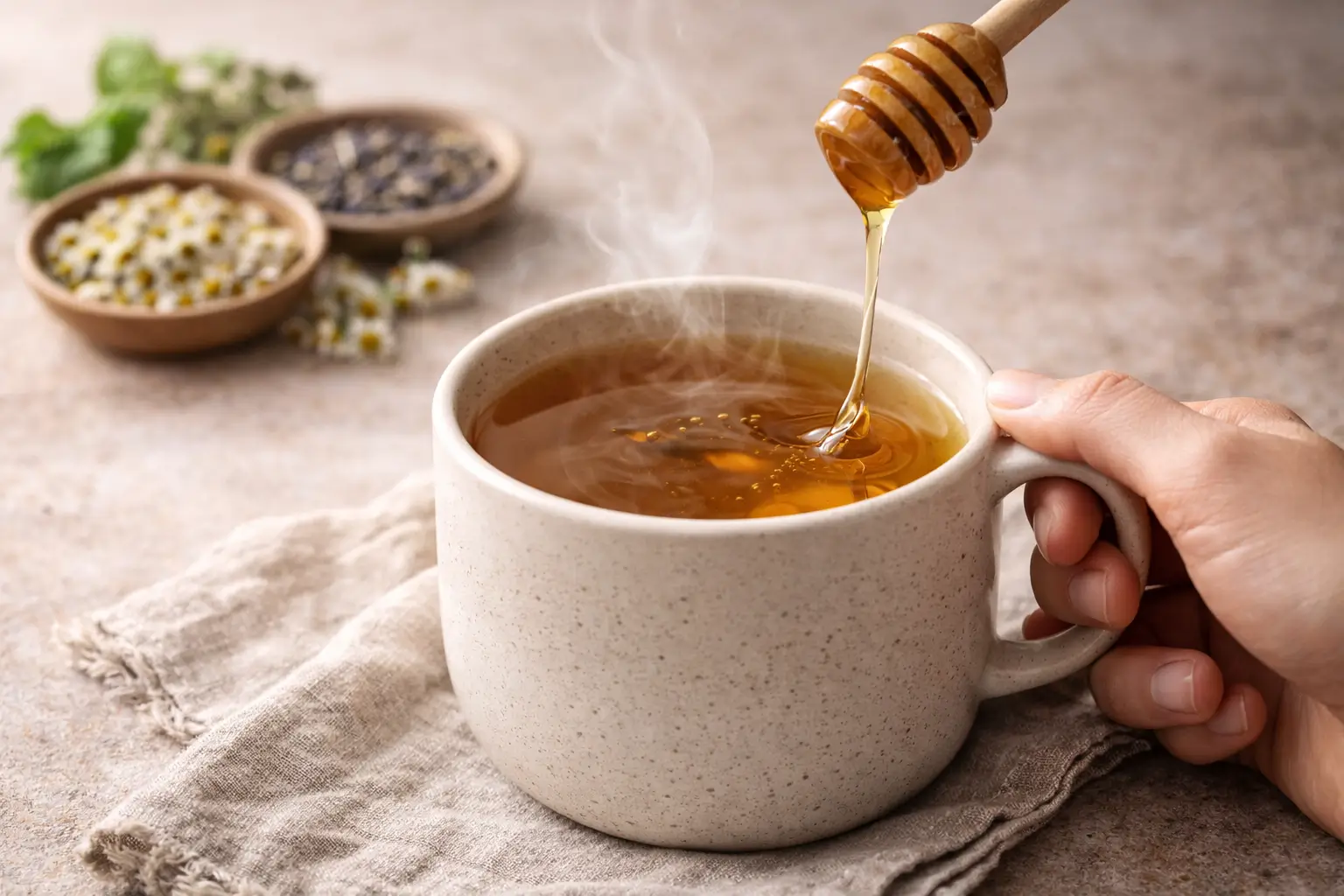
There’s something deeply comforting about wrapping your hands around a warm mug and letting the steam rise. If you’ve been looking for easy herbal tea recipes for relaxation and wellness, you’re in the right place. Whether you’re trying to wind down after a long day, support your digestion, or simply build a calmer morning routine, the right blend of herbs can make a meaningful difference.
This guide covers everything you need to know — from the best herbs to keep on hand, to step-by-step recipes you can make at home today, to a helpful steeping guide so you never over-brew again. No complicated equipment required. Just simple, real ingredients and a few quiet minutes.
Important note: The information in this article is for general wellness and educational purposes only. It is not medical advice. If you have a health condition or take medications, please consult your healthcare provider before adding herbal teas to your routine.
What Makes Herbal Tea Good for Relaxation and Wellness?
Technically speaking, herbal teas — sometimes called “tisanes” — are not true teas at all. Unlike green or black tea, they contain no leaves from the Camellia sinensis plant. Instead, they’re infusions made from dried flowers, roots, bark, seeds, or leaves of various plants.
This distinction matters because most herbal teas are naturally caffeine-free, which is part of why they’re so popular in the evening or for people who are sensitive to caffeine.
Certain herbs have been used for centuries in traditional wellness practices around the world. Today, researchers continue to study their potential benefits, though it’s important to understand that scientific evidence varies widely depending on the herb and the specific claim. What we can say is that for many people, a warm herbal tea ritual can be a simple, pleasant way to support a more mindful and balanced lifestyle.
Essential Ingredients to Keep in Your Herbal Tea Kit
You don’t need a fully stocked apothecary to get started. Here are the foundational herbs that appear in most of the recipes below — all widely available at grocery stores, health food shops, or online.
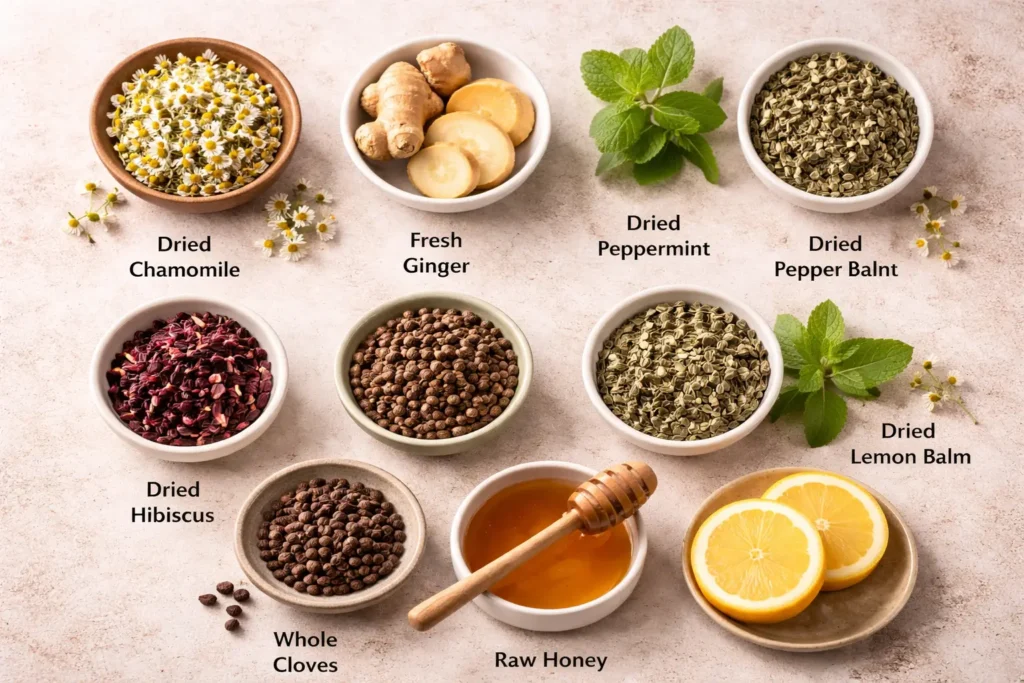
- Dried chamomile flowers — mild, apple-like flavor; one of the most popular calming herbs
- Fresh or dried ginger root — warming and aromatic; commonly used to support digestion
- Dried peppermint leaves — cooling and refreshing; a kitchen staple
- Dried hibiscus flowers — tart, vibrant red color; high in antioxidants according to some research
- Dried lemon balm leaves — lemon-scented herb in the mint family; traditionally used for calm
- Whole cloves — spicy and warming; a small amount goes a long way
- Dried lavender buds — floral and soothing; use sparingly for flavor balance
- Raw honey — a natural sweetener that pairs beautifully with most herbal blends
- Fresh lemon — adds brightness and a light citrus note to nearly any tea
Having these seven or eight ingredients on hand means you can make a wide variety of blends on any given day.
7 Herbal Tea Recipes for Relaxation and Wellness
1. Classic Chamomile Honey Tea
This is the gold standard of relaxation teas — gentle, naturally sweet, and easy to make.
Ingredients:
- 1 heaping tablespoon dried chamomile flowers (or 1 tea bag)
- 8 oz filtered water, heated to about 200°F (just off a boil)
- 1 teaspoon raw honey
- Optional: a thin slice of fresh lemon
Steps:
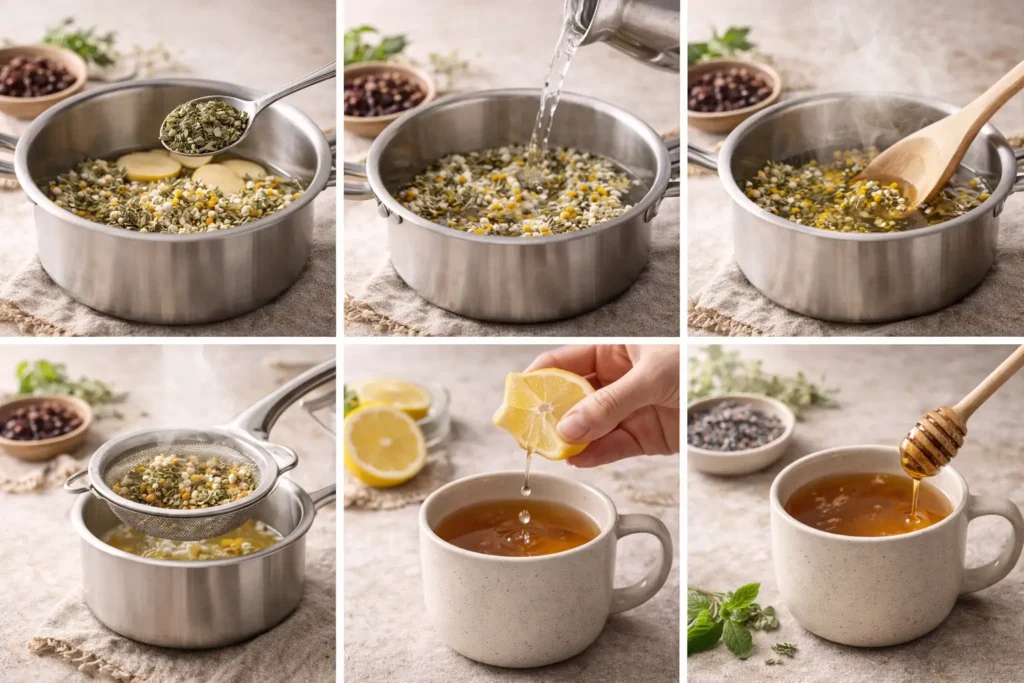
- Add chamomile to a tea infuser or directly into a mug.
- Pour hot water over the flowers.
- Steep for 5 minutes, then remove or strain.
- Stir in honey and add lemon if desired. Serve immediately.
Best time to enjoy: 30 minutes before bed or during an afternoon break.
2. Fresh Ginger Lemon Wellness Tea
This warming tea is especially popular in colder months and may help support digestion, according to some traditional wellness sources. For a fermented ginger base with deeper flavor, check out this ginger bug recipe with honey — it makes a wonderful flavor addition.
Ingredients:
- 1-inch piece of fresh ginger root, peeled and thinly sliced
- 8 oz water
- Juice of ½ lemon
- 1 teaspoon honey or maple syrup
- Optional: a pinch of turmeric
Steps:
- Bring water to a boil in a small saucepan.
- Add ginger slices and reduce to a simmer for 5–7 minutes.
- Strain into a mug.
- Stir in lemon juice and sweetener.
- Add a pinch of turmeric if using, and stir well before drinking.
3. Peppermint Clarity Tea
Clean, cool, and completely caffeine-free. This one works beautifully at any time of day.
Ingredients:
- 1 tablespoon dried peppermint leaves (or a small handful of fresh leaves)
- 8 oz water, just off the boil
- Optional: 1 teaspoon honey, a few dried chamomile flowers
Steps:
- Place peppermint in an infuser.
- Pour hot water over it and steep for 4–5 minutes.
- Remove leaves, sweeten lightly if desired, and enjoy warm.
Note: If you’re also using chamomile, steep both together for a gentle, layered flavor.
4. Hibiscus Iced Wellness Tea
Hibiscus tea has a naturally tart, cranberry-like flavor and a stunning deep red color. It’s just as good served cold, making it a great option year-round.
Ingredients:
- 2 tablespoons dried hibiscus flowers
- 16 oz water (for a stronger concentrate to serve over ice)
- 1–2 teaspoons honey or agave
- Optional: a sprig of fresh mint
Steps:
- Bring water to a boil and remove from heat.
- Add hibiscus flowers and steep for 7–10 minutes.
- Strain and sweeten while still warm.
- Let cool, then pour over ice and garnish with mint.
5. Lemon Balm Calm Tea
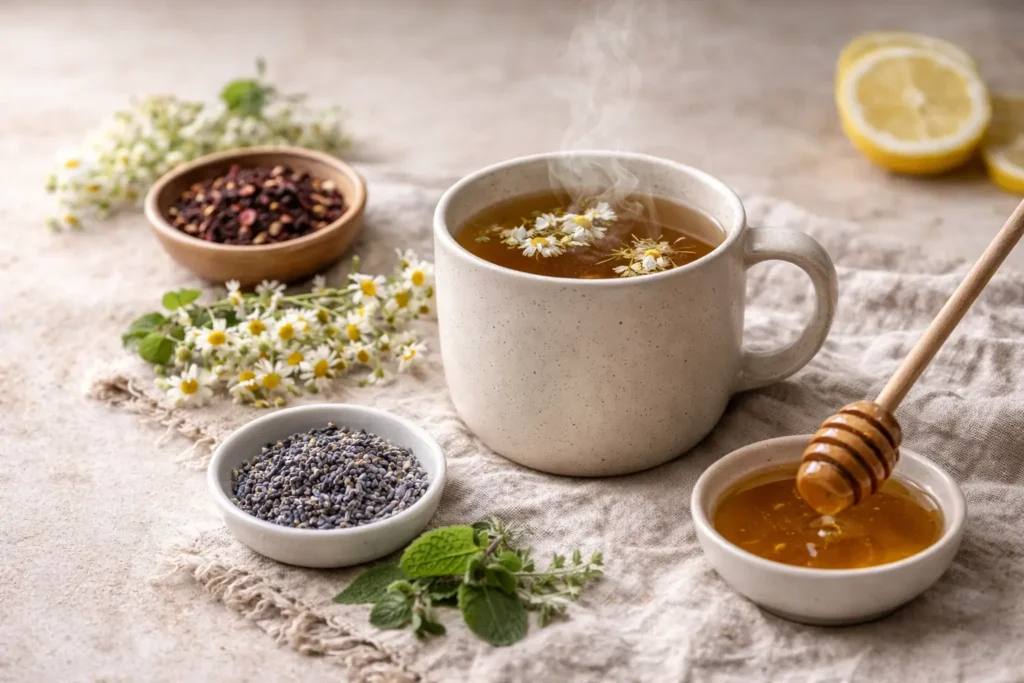
Lemon balm (Melissa officinalis) is a herb in the mint family with a gentle lemon scent. It has a long history of traditional use for supporting relaxation, and some preliminary research suggests it may be worth exploring further for stress-related wellness goals. For another take on lemon balm in a wellness context, this article on how to use lemon balm drops offers a different perspective.
Ingredients:
- 1 tablespoon dried lemon balm leaves
- 8 oz hot water (around 195–200°F)
- 1 teaspoon honey
- Optional: a small strip of lemon zest
Steps:
- Steep dried lemon balm in hot water for 5–7 minutes.
- Strain, sweeten with honey, and add lemon zest if desired.
- Best enjoyed in the evening or during a quiet afternoon.
6. Warming Clove Spice Tea
A small number of whole cloves can transform a simple cup of hot water into something spiced and deeply warming. This recipe draws from the same tradition as our popular clove tea recipe and the cozy lime and clove tea on this site.
Ingredients:
- 3–4 whole cloves
- 1 cinnamon stick
- 8 oz water
- 1 teaspoon honey
- Optional: a squeeze of lime juice
Steps:
- Lightly crush cloves using the back of a spoon to release their oils.
- Add cloves and cinnamon stick to a small saucepan with water.
- Simmer on low heat for 8–10 minutes.
- Strain into a mug, sweeten, and add lime if using.
Note: Cloves are potent — stick to 3–4 maximum per cup and enjoy in moderation.
7. Lavender Chamomile Bedtime Blend
This is the ultimate wind-down tea. Soft, floral, and deeply calming in flavor, it has become a nighttime favorite in many households.
Ingredients:
- 1 tablespoon dried chamomile flowers
- ½ teaspoon dried culinary lavender buds
- 8 oz hot water (200°F)
- 1 teaspoon honey
Steps:
- Combine chamomile and lavender in a tea infuser.
- Steep in hot water for 5 minutes exactly — lavender can turn bitter if over-steeped.
- Remove infuser, stir in honey, and sip slowly.
How to Make Herbal Tea at Home: A Simple Method
If you’re new to making tea from scratch rather than bags, the process is straightforward.
What you need:
- A kettle or small saucepan
- A fine mesh strainer or reusable tea infuser
- A mug
- Your chosen dried herbs
General method:
- Heat your water to the appropriate temperature (see table below — most herbal teas do well around 200°F, but some delicate herbs prefer slightly cooler water).
- Place your herbs in an infuser or directly in the mug.
- Pour hot water over the herbs — not the other way around.
- Steep for the recommended time. Set a timer. Over-steeping is the most common mistake.
- Remove the herbs, add any sweetener or citrus, and enjoy.
One tip worth repeating: always remove the herbs before drinking. Leaving them in too long, especially with tannin-heavy herbs, can make your tea taste bitter or overpowering.
Herbal Tea Steeping Guide: Temperature & Time
Different herbs require slightly different conditions for the best flavor. This quick-reference table covers the most common options.
| Herb | Water Temp | Steep Time | Best For |
|---|---|---|---|
| Chamomile | 200°F | 5 min | Evening calm, before bed |
| Peppermint | 212°F (boiling) | 5–7 min | Digestion, afternoon refresh |
| Ginger (fresh) | Simmered | 7–10 min | Warming, digestion support |
| Hibiscus | 200°F | 7–10 min | Iced tea, antioxidant boost |
| Lemon Balm | 195°F | 5–7 min | Relaxation, stress relief |
| Lavender | 200°F | 4–5 min | Bedtime blend (do not over-steep) |
| Cloves (whole) | Simmered | 8–10 min | Warming spice blends |
As a general rule: delicate flowers like lavender and chamomile need less time and slightly cooler water, while roots and spices like ginger and cloves benefit from a longer, lower simmer.
How to Customize Your Herbal Blends
Once you’re comfortable with the basics, experimenting with your own blends is half the fun. Here are a few simple ways to personalize your cup:
Natural sweeteners to try:
- Raw honey — the most classic pairing; add after steeping, not before
- Pure maple syrup — works especially well with spiced blends like clove or cinnamon
- A pitted Medjool date simmered in the water — adds gentle sweetness and body
Flavor boosters:
- A squeeze of fresh lemon or orange juice brightens almost any blend
- A small cinnamon stick adds warmth without overpowering
- Fresh mint leaves muddled at the bottom of the mug add an extra aromatic layer
Cold brew option: Add 2–3 tablespoons of dried herbs to a pitcher of cold filtered water. Cover and refrigerate for 8–12 hours. Strain and serve over ice. This method produces a smoother, less astringent flavor and works especially well with hibiscus, mint, and chamomile.
Storage Tips for Dried Herbs and Brewed Tea
Storing dried herbs:
- Keep in airtight glass jars away from direct sunlight and heat.
- A cool, dark cabinet is ideal.
- Most dried herbs stay fresh and flavorful for 12–18 months when properly stored.
- Label your jars with the herb name and purchase date so you always know what you’re working with.
Storing brewed tea:
- Brewed herbal tea can be refrigerated in a sealed container for up to 3 days.
- Always let it cool to room temperature before refrigerating.
- Avoid storing in reactive metals — glass or BPA-free plastic works best.
- Give it a stir before drinking, as some separation is normal.
Frequently Asked Questions
How do you make herbal tea at home?
Making herbal tea at home is simple: heat water to around 200°F, add your dried or fresh herbs to a strainer or infuser, pour the hot water over them, and steep for 5–10 minutes depending on the herb. Remove the herbs promptly, add a natural sweetener if desired, and enjoy. No special equipment is needed beyond a kettle and a fine mesh strainer.
What teas are good for SIBO?
This is a health-specific question, and it’s important to note that no herbal tea should be used as a substitute for medical treatment for SIBO (Small Intestinal Bacterial Overgrowth). That said, some wellness practitioners suggest that certain low-FODMAP herbal teas — such as peppermint and ginger — may be better tolerated by people with digestive sensitivities, in some cases. However, individual responses vary widely, and some herbs that seem benign can be problematic for certain gut conditions. If you have been diagnosed with SIBO, it is strongly recommended to consult your gastroenterologist or a registered dietitian before adding herbal teas to your diet.
What tea is good for congestive heart failure?
This is an important question that requires a clear disclaimer: if you or someone you know has congestive heart failure (CHF), please speak with a cardiologist before consuming herbal teas. Some herbal ingredients may interact with heart medications such as diuretics, ACE inhibitors, or blood thinners. Even seemingly harmless herbs like licorice root or hibiscus can potentially affect blood pressure or fluid balance in some individuals. This article is not a source of medical advice, and no herbal tea should be considered a treatment or support strategy for CHF without direct guidance from a qualified healthcare provider.
Which tea is best for gastritis?
According to some preliminary research and traditional wellness sources, teas that are mild, caffeine-free, and low in tannins — such as chamomile and licorice root — may be more comfortable for people with gastritis, in some cases. Peppermint tea is a popular choice for general digestive discomfort, though it may not be suitable for everyone, particularly those with acid reflux. It’s worth noting that highly spiced teas or those with citrus added may aggravate gastritis symptoms for certain individuals. As always, individual responses vary, and anyone managing gastritis is encouraged to discuss dietary choices with their healthcare provider.
Final Thoughts
Herbal tea is one of the most accessible, flexible, and genuinely enjoyable wellness habits you can build into your daily routine. Whether you’re drawn to the calming warmth of chamomile before bed, the energizing brightness of ginger in the morning, or the vibrant tartness of iced hibiscus on a warm afternoon, there’s a blend here for every mood and moment.
Start with the recipes you’re most curious about, adjust the steeping time and sweetness to suit your taste, and don’t hesitate to experiment with combinations. Wellness doesn’t have to be complicated — sometimes it starts with just a mug and a few dried flowers.
Print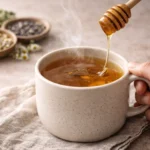
Herbal Tea Recipes for Relaxation and Wellness
- Total Time: 25 minutes
- Yield: 6 servings 1x
- Diet: Vegetarian
Description
Crescent roll garlic bread is flaky, buttery, and packed with bold garlic flavor. This easy recipe includes three methods — flat, pull-apart, and knots — all made with Pillsbury dough.
Ingredients
- 4 tablespoons unsalted butter, softened
- 3 to 4 cloves fresh garlic, finely minced
- 1 tablespoon fresh parsley, chopped (or 1 teaspoon dried)
- 1/4 teaspoon garlic powder (optional)
- 1/4 teaspoon fine salt
- Pinch of red pepper flakes (optional)
- 1 to 2 cans (8 oz each) Pillsbury crescent roll dough
- 1/2 cup shredded mozzarella or Parmesan cheese (optional)
Instructions
- Preheat oven to 375°F and line a baking sheet with parchment paper.
- Unroll crescent dough and press seams together to form a rectangle.
- Mix softened butter, garlic, parsley, garlic powder, salt, and red pepper flakes.
- Spread garlic butter evenly over the dough.
- Sprinkle cheese on top if using.
- Bake for 12 to 14 minutes until golden brown and puffed.
- Slice and serve warm.
- For pull-apart version: roll buttered dough pieces and layer in a greased bundt pan, then bake at 350°F for 25–30 minutes.
- For garlic knots: cut dough into strips, tie into knots, brush with butter, bake 11–13 minutes, then brush again after baking.
Notes
Use softened butter instead of melted for best texture. Press seams firmly to avoid splitting. Watch closely during the last minutes of baking to prevent over-browning. Let bundt version rest before removing from pan.
- Prep Time: 10 minutes
- Cook Time: 15 minutes
- Category: Side Dish
- Method: Baked
- Cuisine: American
Nutrition
- Serving Size: 1 serving
- Calories: 220
- Sugar: 2g
- Sodium: 380mg
- Fat: 14g
- Saturated Fat: 7g
- Unsaturated Fat: 6g
- Trans Fat: 0g
- Carbohydrates: 18g
- Fiber: 1g
- Protein: 5g
- Cholesterol: 30mg
Keywords: crescent roll garlic bread, garlic bread, pillsbury crescent rolls, easy garlic bread, pull apart garlic bread