
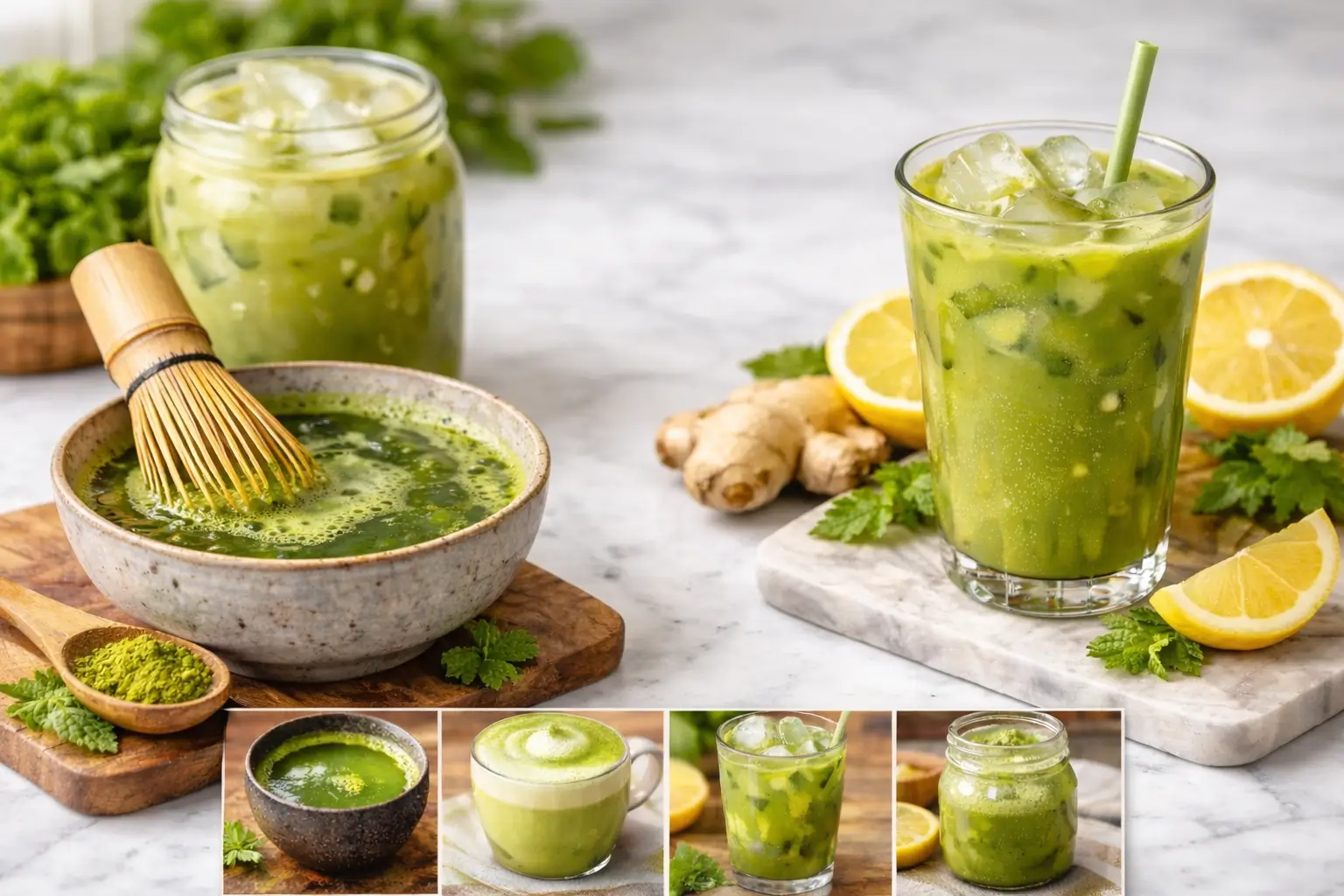
If you have been looking for a simple, feel-good drink that fits into a healthier lifestyle, a good matcha tea recipe for weight loss might be exactly what you need. Matcha has been a staple in Japanese culture for centuries, and in recent years, it has taken over kitchen counters across the United States — and for good reason.
This guide walks you through everything you need to know: what matcha is, why people love it, and how to make it in several different ways. We will also cover the best time to drink it, how to keep it low-calorie, and a few things to keep in mind if you are making it part of your daily routine.
One important note before we begin: matcha is not a magic solution. Any drink, no matter how nutritious, works best as part of a balanced diet and an active lifestyle. That said, let’s get into it.
1. What Is Matcha Tea and Why It Is Popular for Weight Loss
Matcha is a type of powdered green tea made from shade-grown tea leaves called tencha. Unlike regular green tea — where you steep the leaves and discard them — with matcha, you consume the entire leaf in powdered form. This means you are taking in a more concentrated source of the nutrients found in green tea.
According to various nutrition sources, matcha contains a combination of compounds that have made it a popular topic in wellness circles:
- EGCG (epigallocatechin gallate): A type of catechin antioxidant found in green tea that has been studied in connection with metabolism and fat oxidation. Research is ongoing, and results vary from person to person.
- L-theanine: An amino acid that may support a calm, focused energy — often described as a smoother experience than coffee.
- Caffeine: Matcha contains a moderate amount of caffeine (roughly 30–70 mg per serving depending on preparation), which in some studies has been associated with a temporary increase in energy expenditure.
- Chlorophyll: Responsible for matcha’s bright green color, this compound is also linked to detox support in several wellness approaches.
To understand why matcha stands out compared to a regular cup of green tea, here is a clear side-by-side breakdown:
| Feature | Matcha Tea | Regular Green Tea |
| Preparation | Powder whisked directly in water | Leaves steeped then removed |
| Nutrient Intake | Whole tea leaf consumed | Partial extraction only |
| Antioxidants (EGCG) | High concentration | Moderate concentration |
| Caffeine + L-theanine | Both present in high amounts | Lower levels of both |
| Calories | ~10–15 cal per serving | ~2–5 cal per serving |
| Popular Uses | Wellness drinks, lattes, smoothies | Traditional hot tea beverage |
As you can see, the main difference comes down to how much of the leaf you actually consume. With matcha, you get the full benefit of the whole leaf — not just what dissolves through steeping.
None of these claims should be taken as medical advice. If you have a health condition or take medications, speaking with a healthcare provider before adding matcha to your routine is always a good idea.
You may also enjoy:
Clove Tea Recipe for Weight Loss
2. Simple Matcha Tea Recipe for Weight Loss
Let’s start with the most basic, feel-good version. This is the foundation of every matcha recipe. Keep it clean, keep it simple — and it stays very low in calories.
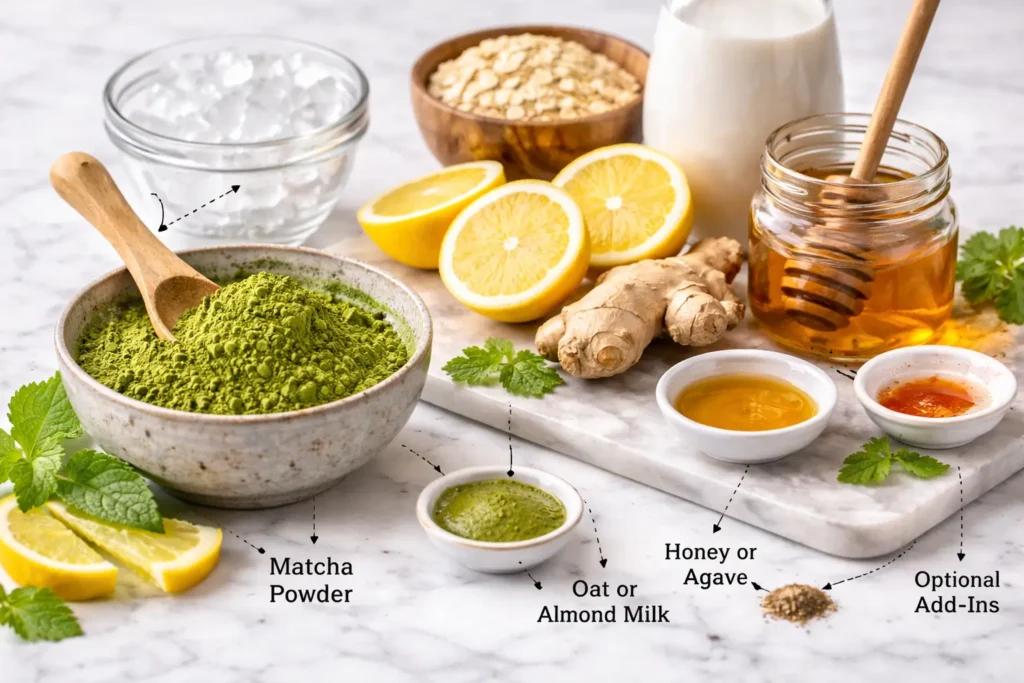
Ingredients (1 serving)
- 1 teaspoon ceremonial or culinary grade matcha powder
- 2 oz hot water (around 175°F / 80°C — not boiling)
- 6–8 oz of cold or warm water, or unsweetened oat milk
- Ice cubes (optional, for an iced version)
- A small drizzle of honey or agave syrup (optional — skip to keep it near-zero calorie)
Method
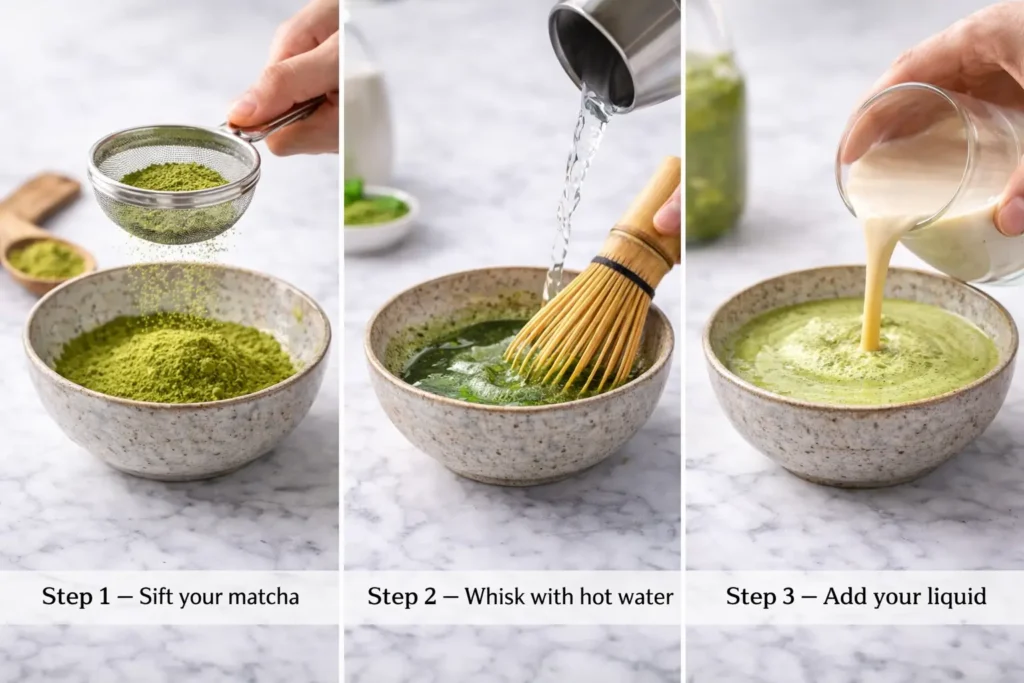
Step 1 — Sift your matcha: Sifting the powder into your bowl or cup prevents clumps and gives you a smoother drink.
Step 2 — Whisk with hot water: Add your 2 oz of hot (not boiling) water. Using a bamboo whisk (chasen), whisk in a quick zigzag “W” or “M” motion until the powder is fully dissolved and a light foam appears on top.
Step 3 — Add your liquid: Pour in the remaining water or oat milk. Stir gently.
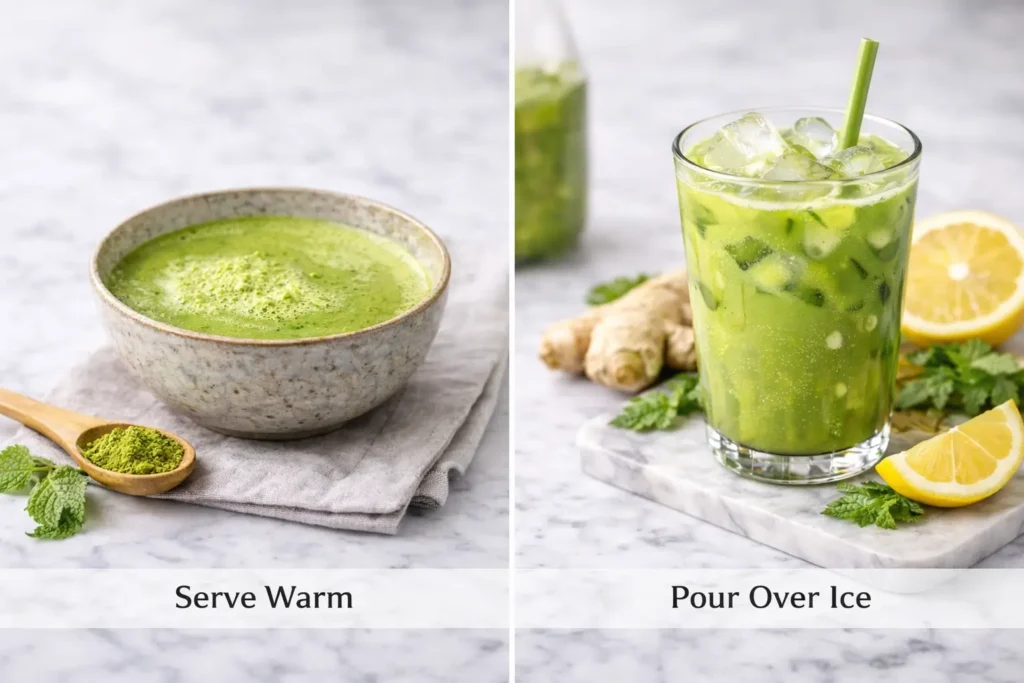
Step 4 — Serve: Enjoy warm, or pour over ice for a refreshing iced matcha.
Calories: Approximately 10–15 calories with water only. Adding unsweetened oat milk brings it to around 40–50 calories.
Tip: Using ceremonial grade matcha will give you the best flavor — smooth, slightly sweet, with minimal bitterness.
3. Matcha Latte Recipe for Weight Loss
A matcha latte is the creamier, more comforting version of your basic matcha. The goal here is to keep it low-calorie while still tasting rich and satisfying.
Low-Calorie Matcha Latte — Ingredients (1 serving)
- 1 teaspoon matcha powder
- 2 oz hot water (175°F / 80°C)
- 8 oz unsweetened almond milk or oat milk
- 1/4 teaspoon pure vanilla extract
- A light drizzle of honey (optional)
Method
Step 1 — Whisk the matcha: Combine your matcha with the hot water and whisk until smooth and frothy.
Step 2 — Warm your milk: Gently heat the almond or oat milk in a small saucepan or frother until warm but not boiling.
Step 3 — Combine: Pour the warm milk over the matcha base. Add vanilla extract and stir.
Step 4 — Taste and serve: Add honey only if needed. Serve immediately.
Calories: Approximately 45–70 calories depending on the milk you choose.
Pro tip: Barista oat milk froths better than regular oat milk if you want a café-style finish.
Looking for another healthy drink idea?
Apple Cider Vinegar Gummies Recipe for Weight Loss
4. Low-Calorie Matcha Latte Starbucks Dupe
A standard Starbucks Iced Matcha Latte made with 2% milk runs between 200–240 calories for a Grande. Here is how to make a similar drink at home for a fraction of the calories — and the cost.
Ingredients
- 1 teaspoon matcha powder
- 1 oz hot water (175°F / 80°C)
- 10 oz unsweetened vanilla almond milk
- Handful of ice
- 1/2 teaspoon honey or a few drops of liquid stevia (optional)
Method
Whisk the matcha with hot water into a smooth paste. Fill a tall glass with ice. Pour the almond milk over the ice, then spoon the matcha concentrate over the top. Stir just before drinking — the layered look is half the fun.
Calories: Approximately 30–50 calories — versus 200–240 at Starbucks.
5. Matcha Tea Recipe for Weight Loss Overnight
An overnight matcha is a cold-brew style approach that takes very little active effort. Many people who drink matcha daily prepare their morning drink the night before.
Ingredients
- 1 teaspoon high-quality matcha powder
- 8 oz cold filtered water
- A squeeze of lemon juice (optional — adds brightness and a small vitamin C boost)
- Ice for serving
Method
Sift the matcha into a mason jar or airtight bottle. Add cold water and a squeeze of lemon juice. Seal and shake well for 20–30 seconds. Refrigerate overnight (8–12 hours). Shake again before serving over ice.
Why this works: Cold water extracts matcha more slowly and gently. The result is a slightly smoother, less bitter taste. The lemon juice may help with antioxidant absorption, according to some nutrition researchers — though evidence on this is still developing.
6. Matcha Detox Recipe
This version combines matcha with a few ingredients often used in detox approaches. It is refreshing, and makes a great morning drink.
Ingredients
- 1 teaspoon matcha powder
- 1 cup cold water or coconut water
- Juice of half a lemon
- 1/2 inch piece of fresh ginger, grated
- 1 teaspoon raw honey (optional)
- A pinch of cayenne pepper (optional, for a warming kick)
Method
Whisk the matcha into 2 oz of warm water until dissolved. Combine all remaining ingredients in a shaker with ice. Add the matcha base and shake well. Strain into a glass and serve over ice.
Note: Ginger and lemon are commonly included in detox routines and may support digestion in some individuals. Individual results vary.
Also explore:
7. How Matcha Tea May Support Weight Loss Goals
Let’s talk about what the science says — carefully and honestly.
Metabolism: Some studies have suggested that the combination of caffeine and EGCG in green tea may produce a modest increase in the number of calories the body burns at rest. The effect, when observed, has generally been small — around 80–100 extra calories per day in some research settings. This is not a dramatic number, but over time it can contribute as part of a broader approach.
Fat oxidation during exercise: Several studies have looked at green tea catechins and their possible role in fat burning during physical activity. Some have found a modest positive association, particularly during moderate-intensity exercise. Results are mixed, and more research is needed.
Blood sugar and appetite: There is early-stage research suggesting that green tea compounds may help with blood sugar regulation and satiety signals in certain individuals. This is not a guaranteed effect and varies based on many personal factors.
The bottom line: matcha can be a helpful addition to a healthy lifestyle. It is not a substitute for balanced eating or regular movement, and should not be treated as a medical treatment for any condition.
8. Best Time to Drink Matcha Tea for Weight Loss
Timing your matcha can make a real difference in how it affects your day. Here is a practical guide showing the best moments to drink matcha and what each one can do for you:
| Time of Day | How Matcha Is Used | Why It Works |
| Morning (after waking) | Classic matcha with water | Gentle, focused energy to start the day |
| Before a workout | Matcha with lemon or coconut water | May support fat oxidation during exercise |
| Mid-morning | Iced matcha latte | Low-calorie alternative to a snack |
| Afternoon | Matcha latte with oat milk | Replaces sugary drinks and reduces cravings |
| With breakfast | Matcha smoothie | Adds antioxidants to a morning meal |
| Warm evenings | Light matcha, half-dose | Relaxing ritual — use half the powder for less caffeine |
What to avoid: Drinking matcha too late in the afternoon or evening can interfere with sleep for some people due to its caffeine content. Many nutritionists suggest avoiding caffeinated beverages after 2–3 PM. If you want to enjoy matcha in the evening, use half a teaspoon to reduce the caffeine load.
9. Which Matcha Tea Is Best for Weight Loss
Not all matcha is created equal. Here is a straightforward breakdown:
- Ceremonial Grade: The highest quality. Made from young, shade-grown leaves. Smooth, mildly sweet, bright green color. Best for drinking on its own with water. Pricier, but the taste difference is significant.
- Culinary Grade: Lower cost, slightly more bitter. Perfectly fine for lattes, smoothies, and recipes where other flavors are present.
- What to look for: Vibrant green color (dull or yellowish matcha is often old or lower quality), sourced from Japan (Uji, Nishio, and Kyoto regions are well-regarded), and packed in an airtight, opaque container.
- What to avoid: Pre-sweetened matcha powder blends, artificially flavored matcha, and any product with fillers or added sugars if keeping calories low is your goal.
Check out another weight-loss recipe:
10. Tips for Choosing High Quality Matcha and Getting the Best Flavor
- Always buy from a reputable source. Many budget brands cut corners in processing or use lower-grade tea.
- Store matcha in a sealed container away from light, heat, and moisture. Refrigerating it after opening is a good practice.
- Use water at 175°F (80°C), not boiling. Boiling water makes matcha bitter.
- Invest in a bamboo whisk (chasen) if you drink matcha daily. It makes a real difference in texture and froth.
- Start with a smaller amount (1/2 teaspoon) if you are new to matcha — its flavor is strong and earthy.
11. Popular Variations of Matcha Tea for Weight Loss
Matcha with Coconut Water
Replace regular water with unsweetened coconut water. Adds a light tropical note plus natural electrolytes. Great post-workout.
Matcha Mint Cooler
Whisk matcha, add cold water, a squeeze of lime, and a few fresh mint leaves. Refreshing and nearly calorie-free.
Turmeric Matcha
Add 1/4 teaspoon turmeric and a pinch of black pepper to your matcha latte. Turmeric has been studied for its anti-inflammatory properties; black pepper increases absorption of curcumin. This combination has become popular in the wellness community.
Matcha Collagen Latte
Add one scoop of unflavored collagen peptides to your matcha latte. Adds protein without significantly changing the flavor.
12. Serving Ideas and How to Include Matcha in a Healthy Routine
Matcha is flexible. Here are a few realistic ways to work it into your day without overhauling everything:
- Swap your morning coffee for matcha three days a week and observe how you feel.
- Use matcha as your pre-workout drink instead of an energy drink.
- Blend a teaspoon of culinary grade matcha into a morning smoothie with banana, oat milk, and a small amount of honey.
- Make a batch of overnight matcha at the start of the week and refrigerate it for grab-and-go mornings.
- Replace your afternoon sweet snack with an iced matcha latte sweetened with just a small drizzle of honey.
More healthy drink inspiration:
How to Use Lemon Balm Drops for Weight Loss
13. FAQs About Matcha Tea Recipe for Weight Loss
What is a matcha tea recipe for weight loss?
A matcha tea recipe for weight loss is any preparation of matcha — the powdered green tea — that is low in calories and designed to be a cleaner alternative to sugary drinks. The simplest version is matcha powder whisked with hot water. More elaborate versions include matcha lattes, detox blends, and overnight cold-brew matcha.
How often should I drink matcha tea for weight loss?
Most nutrition sources suggest that 1–2 cups of matcha per day is a reasonable starting point. This provides a meaningful amount of EGCG and L-theanine without over-consuming caffeine. More than 3 cups per day is generally not recommended, particularly for people who are sensitive to caffeine.
Can matcha tea help burn fat?
Some research has associated the compounds in green tea — particularly EGCG in combination with caffeine — with modest increases in fat oxidation, especially during physical activity. Results across studies are not always consistent, and the effect is generally described as modest rather than dramatic. Matcha alone is unlikely to produce significant fat loss without accompanying lifestyle changes.
What is the best time to drink matcha tea?
Most health practitioners and matcha enthusiasts suggest the morning or before a workout as ideal times. See the full time-of-day table in section 8 of this article for a detailed breakdown. Drinking matcha too late in the day may affect sleep quality for some people due to its caffeine content.
Does matcha tea contain caffeine?
Yes. A typical serving of matcha (1 teaspoon of powder) contains approximately 30–70 mg of caffeine, depending on the grade, amount of powder, and preparation method. This is less than most espresso shots but more than most teas. The L-theanine in matcha may help moderate the effects of caffeine, making it feel steadier for many people.
Can I add milk to matcha tea?
Yes — and many people do. Plant-based milks like oat milk, almond milk, or coconut milk are popular choices for keeping calories lower while adding a creamy texture. Whole dairy milk is also fine but adds more saturated fat and calories. Some research suggests that casein in dairy milk may reduce the bioavailability of catechins in tea, though the practical significance of this in everyday consumption is debated.
How do I choose good quality matcha powder?
Look for vibrant green color, a fine texture, and a source from Japan. Ceremonial grade is best for drinking as tea. Culinary grade is suitable for lattes and smoothies. Quality matcha should have one ingredient: matcha (or ground green tea). No fillers, no added sugar.
Can matcha tea replace coffee?
For many people, yes — at least partially. Matcha provides a gentler, steadier energy lift than coffee due to the combination of moderate caffeine with L-theanine. It is a popular coffee alternative for people looking to reduce their caffeine intake or avoid the jitteriness some associate with coffee.
Can I prepare matcha in advance?
Yes. The overnight cold-brew method in section 5 of this guide is a great option for preparing matcha ahead of time. You can also pre-mix a matcha concentrate (matcha whisked with a small amount of water) and refrigerate it for up to 24 hours.
Is matcha tea suitable for beginners?
Absolutely. If you are new to matcha, start with about 1/2 teaspoon and use a latte-style preparation with oat milk and a small amount of sweetener. This makes the earthy, slightly grassy flavor much more approachable.
What to mix with matcha for weight loss?
Popular and effective combinations include: lemon juice (which may support antioxidant absorption), ginger (used in many detox approaches and known for digestive support), coconut water (adds electrolytes post-workout), and unsweetened plant milk (for a filling, low-calorie latte). Avoid high-sugar syrups or sweetened milks if keeping calories low is your goal.
Is matcha tea good for you to lose weight?
According to several nutritionists and some research findings, matcha can be a supportive addition to a weight-conscious routine. It is naturally low in calories, contains compounds associated with metabolic activity, and can replace higher-calorie beverages. It works best as part of an overall healthy diet and active lifestyle.
How to drink matcha to lose belly fat?
There is no single drink proven to target belly fat specifically. However, replacing sugary drinks with unsweetened matcha reduces overall calorie intake, which in some studies has been associated with reductions in abdominal fat over time. Adding matcha to a diet that focuses on whole foods and includes regular physical activity is the most evidence-supported approach.
Can I drink matcha with Adderall?
This is a medical question that requires professional guidance. Matcha contains caffeine, and combining caffeine with stimulant medications like Adderall may increase certain effects or side effects — including elevated heart rate or anxiety — in some individuals. Before mixing matcha with any prescription medication, it is strongly recommended to speak with your prescribing physician or pharmacist.
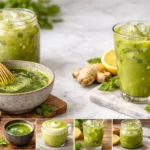
Matcha Tea Recipe for Weight Loss: The Best Healthy Drink
- Total Time: 5 minutes
- Yield: 1 serving 1x
- Diet: Vegetarian
Description
A simple and refreshing matcha tea recipe for weight loss made with high-quality matcha powder and water or plant milk. This low-calorie drink delivers smooth energy, antioxidants, and a clean taste that fits perfectly into a healthy lifestyle.
Ingredients
- 1 teaspoon ceremonial or culinary grade matcha powder
- 2 oz hot water (about 175°F / 80°C)
- 6–8 oz cold or warm water or unsweetened oat milk
- Ice cubes (optional for iced matcha)
- Small drizzle of honey or agave syrup (optional)
Instructions
- Sift the matcha powder into a bowl or cup to prevent clumps.
- Add 2 oz of hot water (not boiling).
- Whisk using a bamboo whisk in a zigzag “W” motion until smooth and lightly foamy.
- Add the remaining water or unsweetened oat milk.
- Stir gently to combine.
- Add ice cubes if making an iced matcha.
- Sweeten lightly with honey or agave if desired.
- Serve immediately and enjoy.
Notes
Use high-quality ceremonial matcha for the smoothest flavor. Avoid boiling water as it can make matcha bitter. For the lowest calories, prepare matcha with water and skip sweeteners.
- Prep Time: 5 minutes
- Cook Time: 0 minutes
- Category: Drink
- Method: Whisked
- Cuisine: Japanese
Nutrition
- Serving Size: 1 cup
- Calories: 15
- Sugar: 0g
- Sodium: 5mg
- Fat: 0g
- Saturated Fat: 0g
- Unsaturated Fat: 0g
- Trans Fat: 0g
- Carbohydrates: 3g
- Fiber: 1g
- Protein: 1g
- Cholesterol: 0mg
Keywords: matcha tea recipe for weight loss, matcha drink, green tea matcha, healthy matcha recipe, low calorie matcha
14. Conclusion
A good matcha tea recipe for weight loss does not have to be complicated. Whether you prefer a classic hot matcha, a creamy low-calorie latte, a refreshing cold-brew overnight version, or a bright detox blend — the key is keeping it simple, low in added sugar, and consistent.
Matcha can be a genuinely enjoyable part of a healthier daily routine. It tastes good, it has a fascinating history, and according to current research, it may offer real — if modest — benefits for people working toward wellness goals.
Make your matcha, enjoy the process, and pair it with the kind of eating and movement habits that actually move the needle. That combination is always going to be your best tool.