
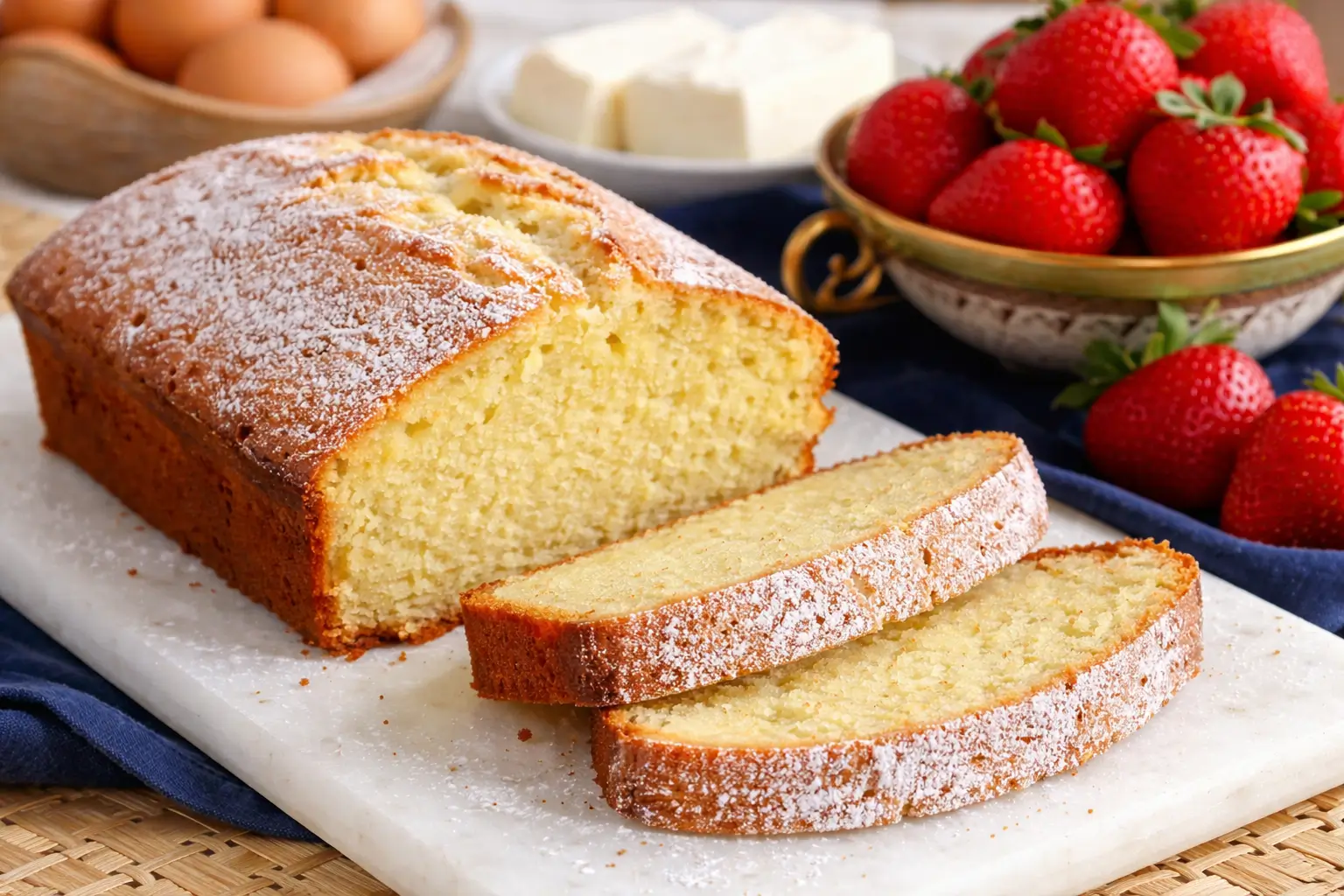
A recipe for Stock’s pound cake is one of those searches that comes from a very specific craving — the kind that hits you somewhere between nostalgia and a serious sweet tooth. Stock’s Bakery, a Philadelphia institution since the early 1920s, built a loyal following around a pound cake that tastes like nothing you’ll find at a grocery store. Dense, buttery, fine-crumbed, and finished with a thick vanilla glaze that sets into a slightly sweet shell — it’s the kind of cake that people drive across the city for.
The catch? Stock’s recipe is proprietary, and the bakery isn’t sharing it anytime soon. But here’s what experienced bakers have figured out through careful tasting and testing: the key isn’t just the ingredients — it’s the method. The right combination of cream cheese and butter, a low baking temperature, and a glaze that goes on thick makes all the difference between a pound cake that’s “pretty good” and one that makes people ask where you bought it.
This guide gives you everything you need: a tested copycat recipe, the vanilla glaze, expert tips to nail the texture, common mistakes to avoid, and answers to the questions home bakers ask most. Let’s make it happen.
What Makes Stock’s Pound Cake Different From Regular Pound Cake?
Not all pound cakes are created equal, and Stock’s version stands out for a few very specific reasons. Understanding what separates it from a standard recipe helps you make better decisions in your own kitchen.
The crumb is notably dense — but not heavy. Stock’s pound cake has that tight, fine grain that only comes from a high fat-to-flour ratio and careful mixing. It’s not cakey-light like a chiffon, and it’s not gummy like an underbaked loaf. It falls somewhere perfectly in the middle.
Cream cheese is likely part of the formula. The extra moisture and subtle tang of cream cheese is the most commonly identified difference between standard pound cake and the Stock’s-style version. It keeps the crumb moist for days without making it feel heavy.
The vanilla glaze is thick and slightly firm. It’s not a thin drizzle — it coats the top of the cake generously and sets up with a slight crust. That contrast between the dense cake and the sweet, firm glaze is part of what makes it memorable.
Butter quality matters here. Because the ingredient list is simple, the quality of each component comes through clearly. Using European-style butter with a higher fat content can make a noticeable difference in richness and flavor.
Ingredients for Stock’s Pound Cake Copycat
This recipe makes one 10-inch tube pan or bundt pan — which yields approximately 12–14 generous slices.
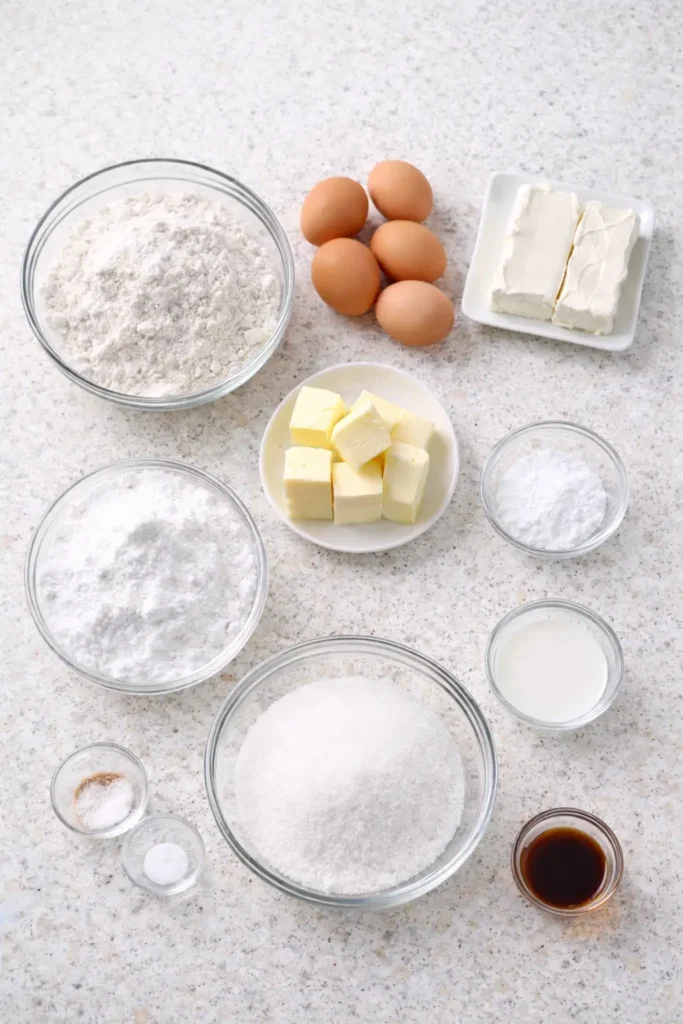
For the Cake:
- 3 cups all-purpose flour, sifted
- ½ tsp baking powder
- ½ tsp fine salt
- 1½ cups (3 sticks) unsalted butter, room temperature
- 8 oz full-fat cream cheese, softened
- 3 cups granulated sugar
- 6 large eggs, room temperature
- 2 tsp pure vanilla extract
- 1 tsp almond extract (optional — adds subtle bakery depth)
- ¼ cup whole milk, room temperature
For the Stock’s-Style Vanilla Glaze:
- 1½ cups powdered sugar, sifted
- 3–4 tbsp whole milk or heavy cream
- 1 tsp pure vanilla extract
- Pinch of fine salt
Note on ingredients: Room temperature really isn’t optional here. Cold butter or eggs won’t cream properly, leading to a batter that curdles or bakes unevenly. Pull everything from the refrigerator at least 1 hour before you start.
Step-by-Step Instructions
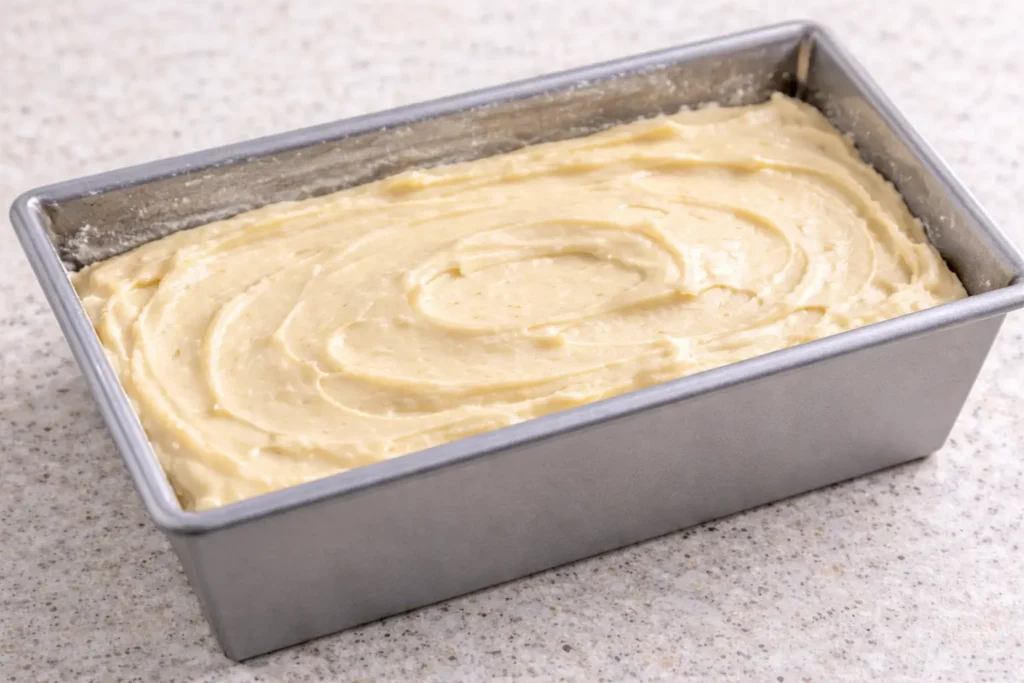
Step 1: Prepare Your Pan and Preheat the Oven
Preheat your oven to 325°F (163°C). Generously grease a 10-inch tube pan or bundt pan with softened butter, making sure to get into every groove. Dust lightly with flour and tap out the excess. This preparation is the difference between a clean release and a cake that sticks.
If you’re using a darker pan, consider reducing the oven temperature to 315°F — darker pans absorb more heat and can cause over-browning on the exterior before the inside is done.
Step 2: Whisk the Dry Ingredients
In a medium mixing bowl, whisk together the sifted flour, baking powder, and salt. Setting this aside as a pre-mixed blend ensures the leavening distributes evenly throughout the batter — something that matters more in a dense cake like this than in a lighter one.
Step 3: Cream the Butter, Cream Cheese, and Sugar
This step is the foundation of the entire cake. In a large stand mixer bowl (or with a hand mixer), beat the room-temperature butter and cream cheese together on medium speed for 4–5 minutes, until the mixture is pale, light, and completely combined.
Add the granulated sugar gradually — about ¼ cup at a time — and continue beating for another 3–4 minutes. The mixture should look noticeably lighter in color and feel airy to the touch. If it still looks dense or grainy, keep going. Under-creamed butter is one of the most common reasons pound cake comes out too dense.
Step 4: Add Eggs One at a Time
Reduce mixer speed to medium-low. Add the eggs one at a time, beating for about 30 seconds after each addition and scraping down the sides of the bowl between each egg. Add the vanilla extract (and almond extract if using) with the final egg.
Patience here matters. Adding eggs too quickly can cause the emulsion to break, resulting in a curdled-looking batter. If that happens, don’t panic — it usually comes back together once flour is added, but it’s better to avoid it.
Step 5: Add the Flour and Milk Alternately
With the mixer on low speed, add the flour mixture in three additions, alternating with the milk in two additions — starting and ending with flour. Mix each addition just until combined before adding the next.
Once the last of the flour goes in, stop mixing as soon as you no longer see dry streaks. Overmixing at this stage develops gluten, which can make the cake tough rather than tender.
Step 6: Fill the Pan and Bake
Pour the batter into the prepared pan and smooth the top with a spatula. Gently tap the pan on the counter two or three times to release any air pockets trapped in the thick batter.
Bake at 325°F for 75–90 minutes, or until a wooden toothpick or skewer inserted into the center comes out with just a few moist crumbs (not wet batter). Because ovens vary, start checking at the 70-minute mark without opening the door earlier — drafts can cause the center to sink during the first hour of baking.
Step 7: Cool, Then Glaze
Let the cake cool in the pan on a wire rack for exactly 15 minutes — not less, not significantly more. Then invert onto the rack and let it cool completely, which takes at least 60–75 minutes. The glaze will melt into the cake if applied while it’s still warm.
Once fully cooled, prepare the glaze and pour it over the top, letting it drip naturally down the sides. Allow it to set for 20–30 minutes before slicing.
Quick Baking Reference Table
Planning your baking timeline is easier with a clear overview. Here’s what each stage looks like from start to finish:
| Stage | Key Detail | Approximate Time |
|---|---|---|
| Oven preheat | 325°F / 163°C | 15–20 min |
| Creaming butter + cream cheese | Medium speed | 4–5 min |
| Adding sugar | Gradual, medium speed | 3–4 min |
| Baking time | Tube or bundt pan | 75–90 min |
| Cooling in pan | Before inverting | 15 min |
| Cooling on rack | Before glazing | 60–75 min |
| Glaze setting | Before slicing | 20–30 min |
Use this table as your baking anchor — each window matters, and skipping one can affect the final result.
How to Make the Stock’s-Style Vanilla Glaze
The glaze is arguably what makes this copycat so recognizable. It should be thick enough to coat generously, thin enough to pour and drip naturally, and it should set up firm — not sticky — within 30 minutes.
Instructions:
- Sift the powdered sugar into a medium bowl to eliminate any lumps.
- Add vanilla extract and a pinch of salt.
- Add milk or cream one tablespoon at a time, whisking between each addition, until you reach a thick but pourable consistency — similar to a slightly thinned white chocolate ganache.
- Pour immediately over the cooled cake in a steady stream, starting at the center and letting it flow outward.
- Let the glaze drip naturally — don’t spread it with a spatula or it will lose that signature thick coating.
For a firmer, more opaque glaze closer to the original, use heavy cream instead of milk and let the finished cake sit uncovered for at least 30 minutes before slicing.
Tips for the Perfect Texture Every Time
Measure flour by weight, not volume. Spooning flour into a measuring cup can add 15–20% more than intended, which is the single most common reason pound cake comes out dry. A kitchen scale set to grams is worth every dollar. For this recipe, 3 cups of sifted all-purpose flour should weigh approximately 360 grams.
Use full-fat cream cheese only. Reduced-fat versions have a higher water content, which releases during baking and can affect both the texture and rise of the cake. Full-fat gives you that dense, velvety interior that mimics the original.
Don’t rush the creaming step. Four to five minutes feels like a long time at the mixer, but it’s building the structure of the entire cake. The butter-sugar-cream cheese mixture should look noticeably paler and feel light by the time you’re done.
Bake low and slow — always. A 325°F oven gives the heat time to penetrate a dense batter evenly without setting the outer crust before the center is cooked through. Resist any temptation to raise the temperature to speed things up.
Let the cake fully cool before glazing. This is non-negotiable. A warm cake will absorb the glaze rather than letting it set on top — and you’ll lose that signature appearance entirely.
Common Mistakes to Avoid
Even experienced bakers can run into trouble with pound cake. Here are the most frequent issues and what’s actually causing them:
| Mistake | Likely Cause | Fix |
|---|---|---|
| Cake sinks in the center | Oven too hot, or door opened too early | Bake at 325°F; don’t open before 70 min |
| Dry, crumbly texture | Too much flour or overbaked | Weigh flour; check at 70 min |
| Dense, gummy interior | Underbaked or overmixed | Bake longer; stop mixing after flour |
| Exterior too dark | Dark pan or oven hot spot | Use light-colored pan; rotate at 45 min |
| Glaze runs off too fast | Batter too thin or cake still warm | Add more powdered sugar; wait to glaze |
The good news is that all five of these are entirely preventable once you know what to watch for.
Variations Worth Trying
Once you’ve made the base recipe once and feel comfortable with it, the possibilities for personalizing this cake are genuinely fun to explore.
Lemon Pound Cake: Add 2 tablespoons of fresh lemon zest to the batter along with the vanilla. Replace the vanilla in the glaze with freshly squeezed lemon juice. Bright and citrusy while keeping the same texture.
Brown Butter Version: Brown all the butter in a saucepan first, then cool it completely until solid before creaming. The resulting toasted, nutty flavor is a notable upgrade for fall baking.
Swirled Cinnamon Sugar: Combine 2 tablespoons cinnamon with ¼ cup brown sugar and layer it between two portions of batter in the pan. Swirl gently with a knife. The flavor is warm and inviting — especially paired with coffee.
Vanilla Bean Upgrade: Replace vanilla extract with the seeds scraped from 2 vanilla bean pods. The intensity is noticeably richer, and the flecks look beautiful in the finished crumb.
Mini Loaf Pans: Divide the batter across 3–4 mini loaf pans and reduce baking time to 45–55 minutes. These make excellent gifts and the smaller size makes it easier to control doneness.
How to Store and Freeze Stock’s Pound Cake
One of the best things about this style of pound cake is how well it holds up after baking. In fact, many bakers find it tastes even better on day two, once the crumb has had time to settle and the flavors deepen.
Room temperature: Wrap tightly in plastic wrap or store in an airtight container. Stays fresh and moist for up to 4 days at room temperature. Keep it away from direct sunlight or heat sources.
Refrigerator: Stored properly, pound cake keeps in the refrigerator for up to 1 week. For best texture, bring it to room temperature for 20–30 minutes before serving — cold pound cake can feel drier than it actually is.
Freezer: Pound cake freezes exceptionally well. Slice the cooled, unglazed cake, wrap each slice individually in plastic wrap, and place in a zip-lock freezer bag. Keeps for up to 3 months without meaningful quality loss. Thaw overnight in the refrigerator or at room temperature for about 2 hours. Apply the glaze fresh after thawing.
If you’ve already glazed the cake, it can still be frozen — but the glaze may become slightly sticky or develop a white bloom after thawing. It won’t affect flavor, only appearance.
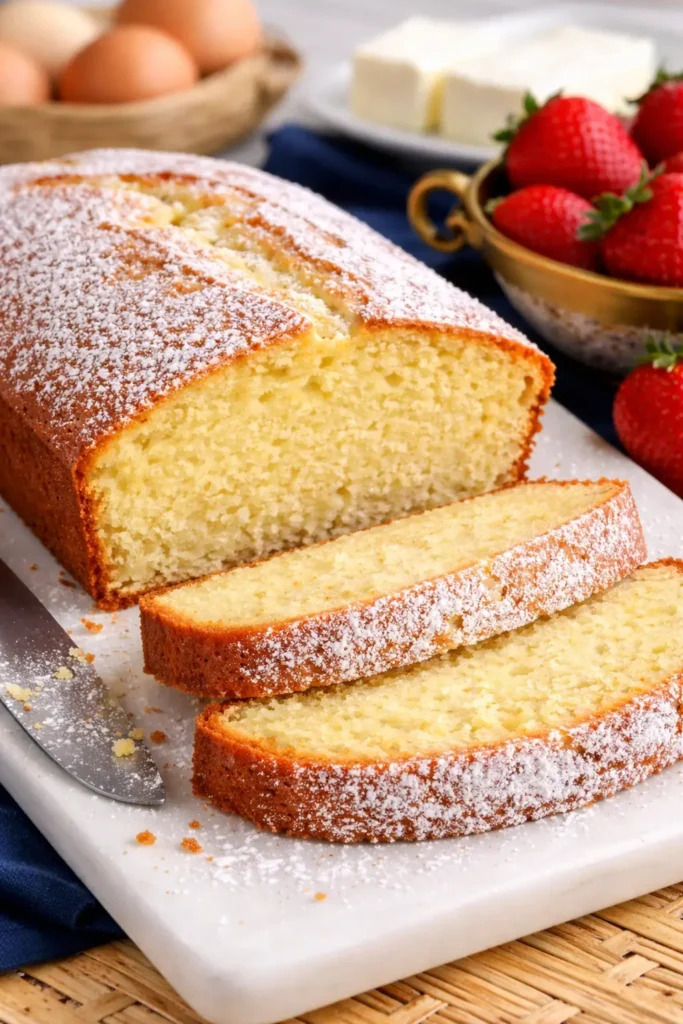
What to Serve With Stock’s Pound Cake
Pound cake is one of those rare baked goods that works in almost any context — as a standalone dessert, a brunch centerpiece, or the base of something more elaborate.
Fresh berries and whipped cream remain the most classic pairing. Strawberries, blueberries, or a mixed berry compote cut through the richness beautifully without competing with the vanilla.
A drizzle of our coconut sugar caramel sauce adds warmth and a slight caramel complexity that plays wonderfully against the vanilla glaze.
Toasted in a skillet: Slice the pound cake about ¾ inch thick and toast in a lightly buttered skillet over medium heat until golden on both sides. The outside crisps while the interior stays soft — this method is particularly good with leftover cake.
Layered trifle: Cube day-old pound cake and layer with vanilla pudding, fresh fruit, and whipped cream in a large glass bowl. It’s an easy crowd-pleasing dessert that requires no additional baking.
If you love making classic American cakes from scratch, our Lloyd Carrot Cake recipe is another beloved copycat worth adding to your baking list.
Frequently Asked Questions
What is Stock’s pound cake made of?
Stock’s proprietary recipe has never been officially published, but based on the cake’s characteristic texture and flavor, experienced bakers widely believe it relies on butter, cream cheese, eggs, sugar, all-purpose flour, and vanilla — finished with a thick vanilla glaze. The cream cheese, in particular, seems to be what sets it apart from a standard pound cake in terms of moisture and density.
Why is Stock’s pound cake so popular?
Stock’s Bakery has been a Philadelphia institution since the early 20th century, and their pound cake has built loyal generational followings. The texture is significantly denser and moister than most commercially available pound cakes, and the vanilla glaze provides a distinctive appearance and flavor contrast that many people find hard to replicate — which is exactly why copycat searches remain so popular.
How do you keep pound cake moist?
Wrapping the cake tightly in plastic wrap as soon as it cools completely is considered the most effective method. Keeping it at room temperature (rather than refrigerating it immediately) for the first couple of days can also help. Some bakers swear by placing a slice of plain white bread in the storage container — the bread releases moisture that may help prevent the cake from drying out.
Can you freeze Stock’s pound cake?
Yes — pound cake is widely regarded as one of the best baked goods for freezing. Wrapping individual slices in plastic wrap, then storing in a freezer-safe bag, allows them to keep for up to 3 months with minimal quality loss. For best results, it may be worth waiting to add the glaze until after thawing.
What makes a pound cake dense instead of fluffy?
Pound cake is intentionally denser than other cakes — the high ratio of fat (from both butter and cream cheese) to flour creates a tight, fine crumb. That said, overmixing the batter after flour is added, or under-creaming the butter and sugar at the start, can make the cake denser than intended. The key is getting the creaming step right and then handling the batter gently once the flour goes in.
How long does homemade pound cake last?
At room temperature in an airtight container, homemade pound cake generally stays fresh for 3–4 days. In the refrigerator, it may keep for up to a week, though the texture is best when served at room temperature. Frozen and properly wrapped, it can last up to 3 months without significant quality loss.
The Bottom Line
Making a recipe for Stock’s pound cake at home is more achievable than most people expect — and the result is a cake that can genuinely stand up to the original in texture, flavor, and that characteristic vanilla glaze. The method matters as much as the ingredients: room-temperature everything, a thorough creaming stage, low-and-slow baking, and patience with the cooling before glazing.
Whether you’re chasing a childhood memory, trying to save a trip to Philadelphia, or simply want a pound cake that’s better than anything at the grocery store, this copycat is the one to make. Bake it once, and it’s likely to earn a permanent spot in your recipe rotation.
Print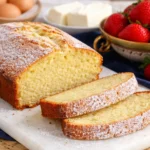
How to Make Stock’s Pound Cake at Home — Dense, Buttery & Bakery-Close
- Total Time: 1 hour 55 minutes
- Yield: 12–14 slices 1x
- Diet: Vegetarian
Description
A rich, dense, buttery pound cake inspired by the famous Stock’s Bakery classic, finished with a thick vanilla glaze that sets into a sweet shell.
Ingredients
- 3 cups all-purpose flour, sifted
- 1/2 tsp baking powder
- 1/2 tsp fine salt
- 1 1/2 cups unsalted butter, room temperature
- 8 oz full-fat cream cheese, softened
- 3 cups granulated sugar
- 6 large eggs, room temperature
- 2 tsp pure vanilla extract
- 1 tsp almond extract (optional)
- 1/4 cup whole milk, room temperature
- 1 1/2 cups powdered sugar, sifted
- 3–4 tbsp whole milk or heavy cream
- 1 tsp pure vanilla extract (for glaze)
- Pinch of fine salt
Instructions
- Preheat oven to 325°F (163°C) and grease a 10-inch tube or bundt pan.
- Whisk together flour, baking powder, and salt.
- Cream butter and cream cheese for 4–5 minutes until light.
- Add sugar gradually and beat until fluffy.
- Add eggs one at a time, mixing well after each addition.
- Mix in vanilla extract and optional almond extract.
- Add flour mixture alternately with milk, beginning and ending with flour.
- Pour batter into pan and smooth the top.
- Bake for 75–90 minutes until a toothpick comes out with moist crumbs.
- Cool in pan for 15 minutes, then invert and cool completely.
- Whisk glaze ingredients until thick but pourable.
- Pour glaze over cooled cake and let set before slicing.
Notes
Use room temperature ingredients for best texture. Do not rush the creaming step. Bake low and slow for even cooking. Let the cake fully cool before adding glaze.
- Prep Time: 25 minutes
- Cook Time: 90 minutes
- Category: Dessert
- Method: Baking
- Cuisine: American
Nutrition
- Serving Size: 1 slice
- Calories: 520
- Sugar: 45g
- Sodium: 180mg
- Fat: 28g
- Saturated Fat: 17g
- Unsaturated Fat: 9g
- Trans Fat: 0g
- Carbohydrates: 62g
- Fiber: 1g
- Protein: 6g
- Cholesterol: 130mg
Keywords: stock’s pound cake, pound cake, copycat cake, vanilla glaze cake, butter cake