What is gelatine made of? It is one of the most searched food questions of 2026, and the answer surprises a lot of people who have been using it in recipes for years without thinking twice about it.
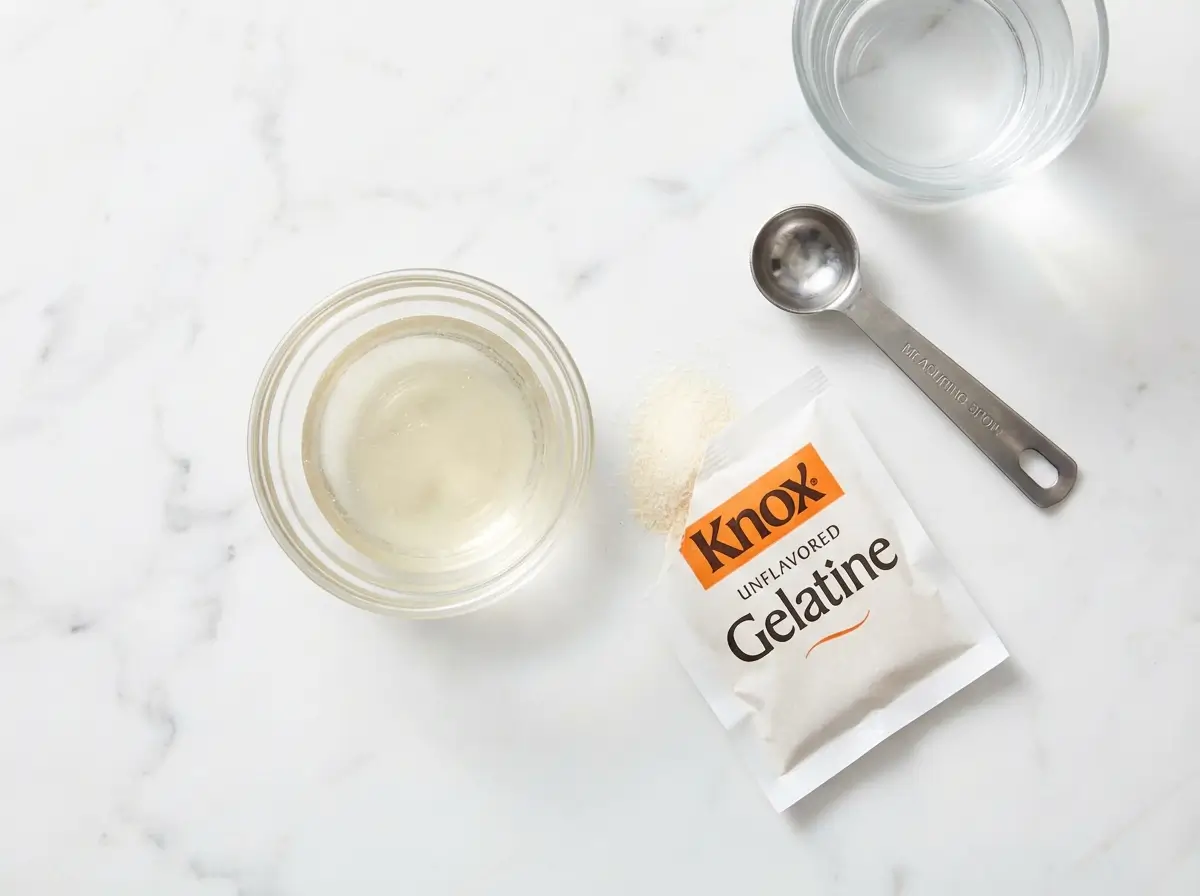
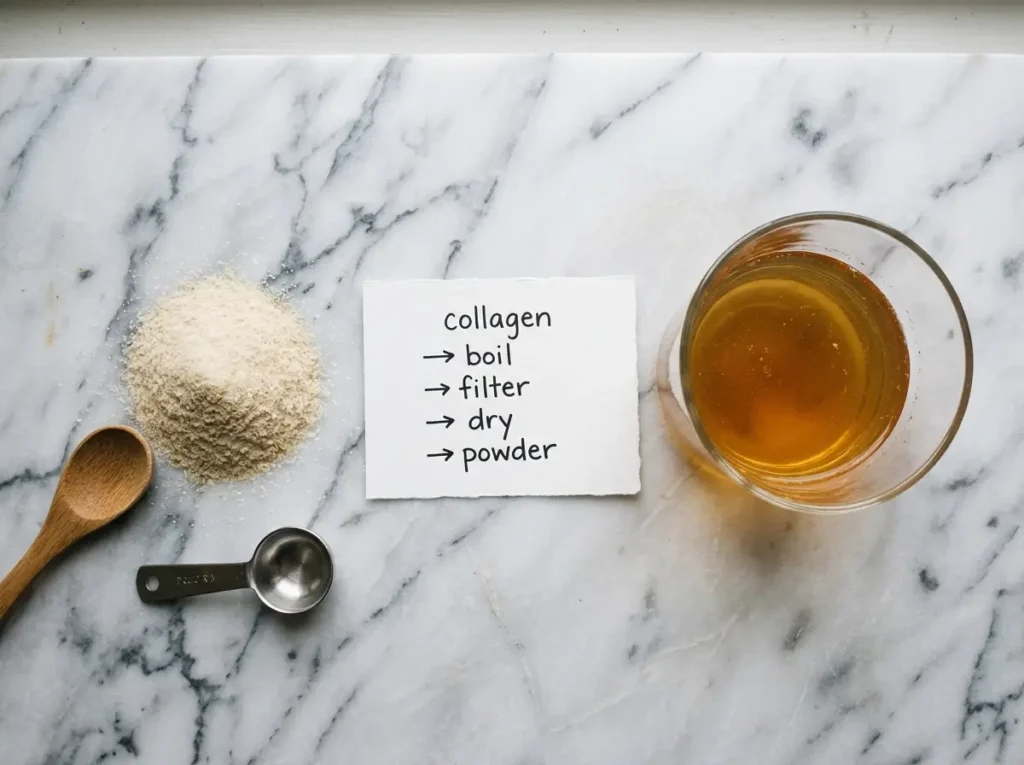
Gelatine is made from collagen — the structural protein found in animal connective tissue. Specifically, it is extracted from the bones, skin, and tendons of animals, most commonly pigs and cattle, through a process of prolonged boiling and purification. What you end up with is a nearly flavorless, colorless powder or sheet that forms a gel when dissolved in hot water and cooled.
Understanding what gelatine is made of matters for several reasons. It affects your dietary choices, your religious or ethical practices, and how you use it in recipes. This guide covers all of it — the source animals, the manufacturing process, the different types available, and the best plant-based alternatives when gelatine does not fit your lifestyle.
What Gelatine Is Made Of — The Short Answer
Gelatine is made from animal collagen, derived primarily from:
- Pig skin and bones (pork gelatine): the most common source worldwide
- Cattle bones, hides, and tendons (bovine gelatine): widely used in halal and kosher-certified products
- Fish skin and bones (marine gelatine): used in some specialty and religious-diet products
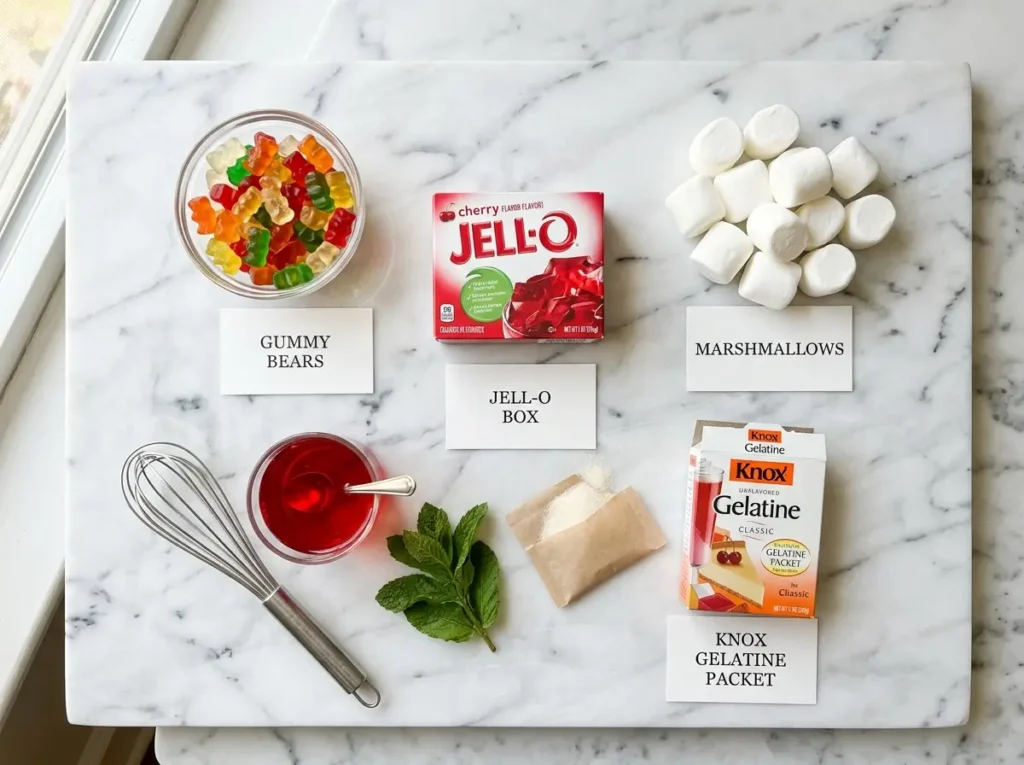
The type of animal source is not always listed on standard packaging in the United States, which is why many people ask specifically whether the gelatine in products like Nerds Gummy Clusters, marshmallows, or Jell-O comes from pork or beef.
How Gelatine Is Made — The Manufacturing Process
Step 1 — Raw material collection
Animal hides, bones, and connective tissue are collected as byproducts of the meat processing industry. The raw material is cleaned and sorted.
Step 2 — Pre-treatment
The material is soaked in an acid (for pork skin) or an alkaline solution (for bovine hides and bones) for several days to break down the collagen structure and remove minerals.
Step 3 — Extraction
The pre-treated material is boiled in water at controlled temperatures. This converts collagen into gelatin through a process called hydrolysis. Multiple extraction stages produce different grades of gelatine.
Step 4 — Filtration and purification
The liquid gelatine is filtered, decolorized, and sterilized to remove impurities. The result is a clean, pale solution.
Step 5 — Drying and milling
The liquid is dried into sheets or milled into powder. Powdered gelatine is what you find in most US grocery stores under brands like Knox. Sheet gelatine (also called leaf gelatine) is more common in professional kitchens.
Types of Gelatine by Source
| Type | Animal Source | Dietary Status | Common Use |
| Pork gelatine | Pig skin/bones | Not halal, not kosher, not vegetarian | Gummies, Jell-O, marshmallows |
| Bovine gelatine | Cattle hides/bones | Halal/kosher certified versions available | Knox powder, capsules, supplements |
| Marine gelatine | Fish skin/bones | Not vegetarian, halal-friendly | Specialty desserts, health supplements |
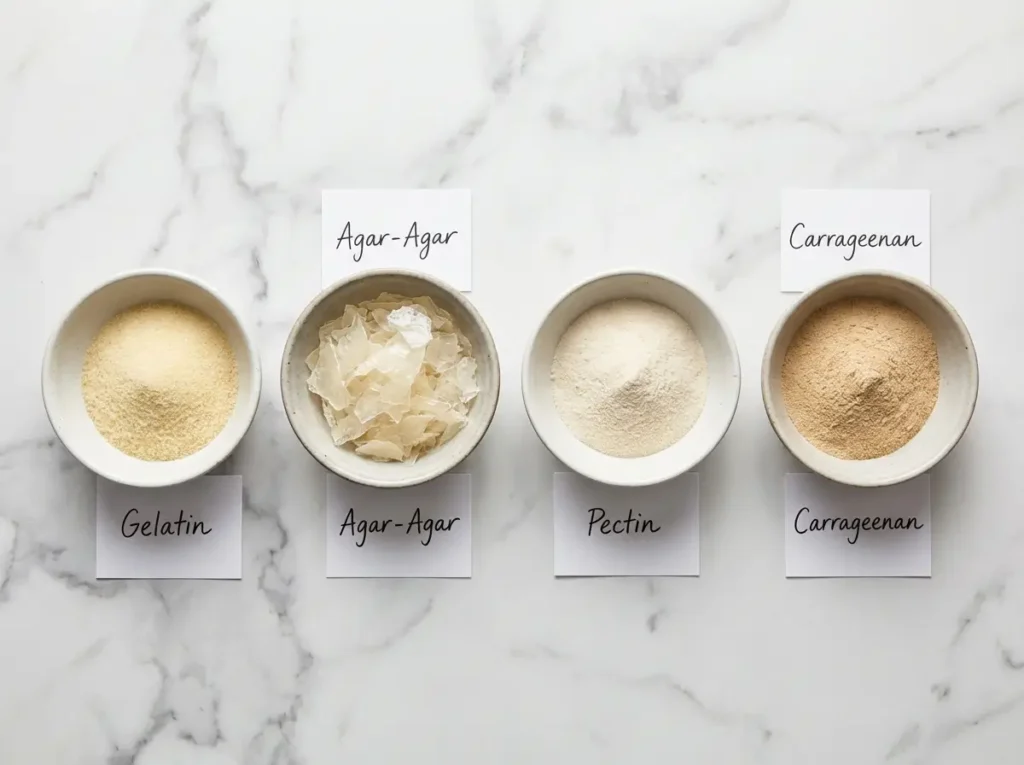
| Agar-agar | Red algae (seaweed) | 100% plant-based, vegan | Japanese desserts, vegan gummies |
| Pectin | Fruit peel (citrus/apple) | 100% plant-based, vegan | Jams, some gummies, fruit snacks |
Is Gelatine Halal or Kosher?
Standard pork gelatine is neither halal nor kosher. Bovine gelatine can be halal or kosher if the animal was slaughtered according to the appropriate religious requirements and the product carries a certified symbol on the label.
In the United States, standard Jell-O and most gummy candies do not specify the animal source. If halal or kosher status matters to you, look for certified products or use plant-based alternatives like agar-agar.
This is exactly why products like Nerds Gummy Clusters are searched so frequently — the gelatine source is not disclosed on standard packaging, which creates uncertainty for consumers following halal, kosher, or vegetarian diets.
Is Gelatine the Same as Collagen?
Gelatine and collagen both come from the same raw material — animal connective tissue. The difference is in the processing.
- Gelatine: partially broken down collagen that gels when dissolved and cooled. Used in food and desserts.
- Collagen peptides/hydrolysate: fully broken down collagen that stays liquid at any temperature. Does not gel. Used in supplements and protein powders.
For recipes like the gelatin weight loss trick or bariatric jello fluff, you need actual gelatine powder — not collagen peptides. Collagen will not set the recipe.
What Is Gelatine Made Of in Common US Products
| Product | Contains Gelatine? | Source (if disclosed) |
| Jell-O (standard) | Yes | Pork and/or beef (not specified) |
| Knox Gelatin | Yes | Bovine (pork-free) |
| Marshmallows | Yes | Usually pork |
| Nerds Gummy Clusters | Yes | Pork (per some packaging) |
| Gummy bears (Haribo) | Yes | Pork |
| Sour Patch Kids | No | Starch-based — no animal gelatine |
| Swedish Fish | No | Starch-based — no animal gelatine |
Plant-Based Alternatives to Gelatine
Agar-agar
Made from red seaweed, agar-agar sets firmer than gelatine and holds at room temperature. Use it in a 1:1 ratio as a substitute by weight, though results will be slightly firmer. It works well in Japanese-style jello desserts and panna cotta.
Pectin
Derived from citrus peel and apple pomace. Pectin produces a softer, jammy set rather than a firm gel. Best for fruit-based desserts, jams, and some gummy recipes. Use it at a higher ratio than gelatine — typically 2 to 3 times more pectin is needed for a similar texture.
Carrageenan
Extracted from red seaweed, carrageenan produces a smooth, creamy gel. Often used in commercial dairy alternatives and processed foods. Works best in cold applications.
Why Is Everyone Suddenly Asking About Gelatine in 2026?
The gelatin weight loss trend — including the Mounjaro jello recipe, the Japanese jello weight loss recipe, and the Dr. Oz pink gelatin trick — has put gelatine under a spotlight it has not had in years. Millions of Americans are dissolving Knox gelatin in herbal tea before dinner and asking, for the first time, exactly what is in that little packet.
At the same time, the rise of halal food awareness in the US and the growing vegan population have both sent searches for ‘what is gelatine made of’ and ‘is gelatine halal’ to breakout status on Google Trends in April 2026.
Frequently Asked Questions
What is gelatine made of?
Gelatine is made from animal collagen, extracted from the bones, skin, and connective tissue of pigs, cattle, or fish through a process of extended boiling and purification.
Is gelatine made from horse hooves?
No. This is a persistent myth. Horse hooves are made of keratin, not collagen, and cannot be used to produce gelatine. Commercial gelatine comes from pig skin, cattle hides and bones, or fish.
Is there a vegetarian or vegan gelatine?
Yes. Agar-agar and pectin are the two main plant-based alternatives. Agar-agar (made from seaweed) is the closest substitute for gelatine in terms of behavior and is widely used in vegan cooking.
What is bovine gelatine made of?
Bovine gelatine is made from the hides and bones of cattle. It is the most common halal-certified type of gelatine in the US. Knox Gelatin powder uses bovine gelatine.
Does gelatine have protein?
Yes. One tablespoon of unflavored gelatine powder contains approximately 6 to 7 grams of protein, mostly in the form of the amino acids glycine and proline. This is why the gelatin trick for weight loss is popular — it is a very low-calorie source of protein.
What is the difference between gelatine and gelatin?
They are the same thing. ‘Gelatine’ is the British/Australian spelling. ‘Gelatin’ is the American spelling. The product, ingredients, and function are identical.
4 thoughts on “What Is Gelatine Made Of? Everything You Need to Know Before You Use It”