

Does gelatin help with weight loss? This question keeps trending as the viral gelatin trick continues to spread across TikTok, YouTube, and wellness communities. The short answer is: it depends on how you use it — and what you expect from it. Gelatin may support weight management through specific mechanisms, but it is not a guaranteed solution and results vary from person to person.
What it cannot do is melt fat, reset your metabolism, or replace a balanced diet. This guide breaks down exactly what gelatin does and does not do for weight loss, based on how it actually works in the body.
Does Gelatin Help With Weight Loss? The Direct Answer
Yes — gelatin can support weight loss indirectly through two primary mechanisms: pre-meal appetite control and protein-induced satiety. When consumed before meals in the form of a gelatin drink or gelatin cubes, it creates a combination of physical stomach volume and protein signaling that can help you eat smaller portions at your next meal.
The key word is support. Gelatin does not burn fat on its own, does not boost metabolism in any meaningful way, and does not target specific areas of the body. Its role in weight management is as a practical, low-calorie tool for reducing calorie intake at meals — which, maintained consistently over time, contributes to a calorie deficit and gradual fat loss.
| Claim | Verdict | Why |
|---|---|---|
| Gelatin helps reduce appetite before meals | ✅ Supported | Physical volume + protein satiety signals |
| Gelatin burns fat directly | ❌ Not supported | No food directly burns stored fat |
| Gelatin boosts metabolism | ❌ Overstated | Minimal thermic effect — not clinically significant |
| Gelatin targets belly fat | ❌ Not supported | Fat loss is systemic, not targeted |
| Gelatin supports gradual calorie reduction | ✅ Supported | Pre-meal fullness leads to smaller portions consistently |
How Gelatin Supports Weight Loss — The Two Mechanisms
1. Physical Stomach Volume
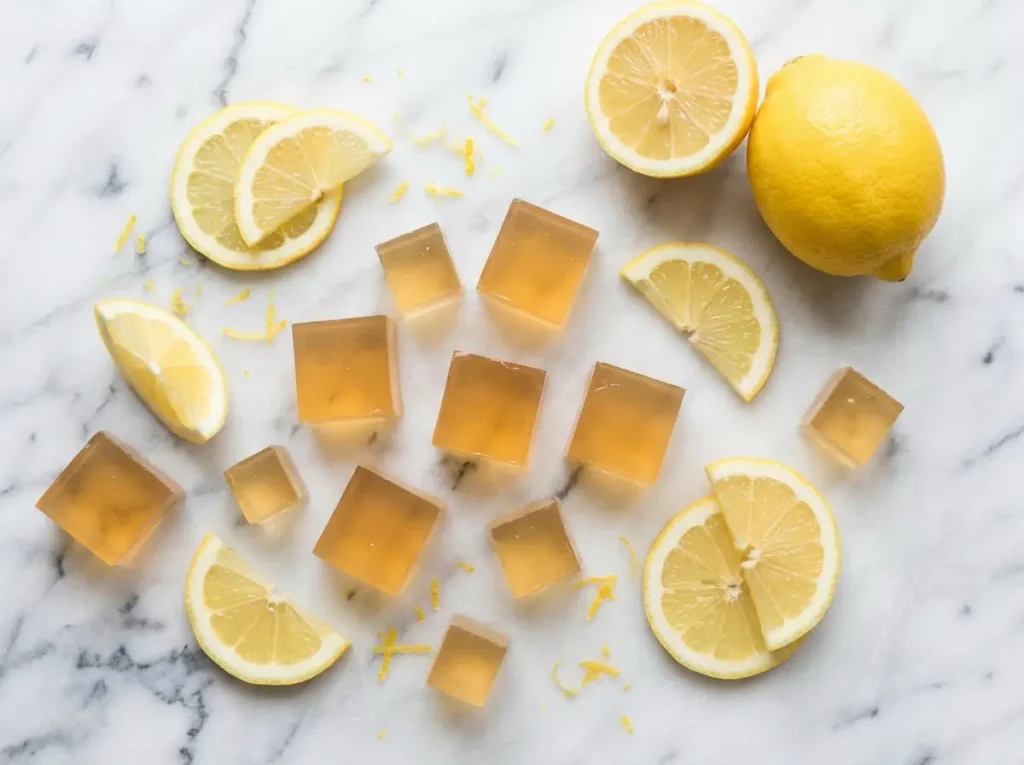
When you bloom unflavored gelatin in cold water and dissolve it in hot liquid, it forms a gel that partially maintains its structure as it cools to body temperature in your stomach. This gel matrix takes up physical space, stretching the stomach walls and activating stretch receptors that send satiety signals to the brain. The result is that you feel fuller before you have eaten your meal, which naturally leads to smaller portion sizes.
This mechanical fullness effect is the main reason the gelatin trick is consumed 15 to 30 minutes before meals rather than during or after. The timing allows the gel to form in the stomach before food arrives.
2. Protein Satiety
Gelatin is almost entirely protein — approximately 6 to 7 grams per tablespoon. Protein is the most satiating macronutrient, meaning it suppresses hunger hormones and stimulates fullness hormones more effectively than carbohydrates or fat at the same calorie level. Gelatin contains significant amounts of glycine, an amino acid that has been shown to stimulate the release of GLP-1 — a gut hormone that regulates appetite and slows gastric emptying.
This is the same hormone pathway targeted by prescription medications like Ozempic and Mounjaro, though the natural effect from gelatin is far milder and more gradual.
What Does the Research Say?
Research on gelatin and weight loss specifically is limited, but the individual mechanisms are well-supported. Studies on protein and satiety consistently show that higher protein intake before meals reduces total calorie consumption. Research on GLP-1 and appetite regulation is extensive and underpins the entire class of GLP-1 medications. The specific application of gelatin as a pre-meal satiety tool is more anecdotal than clinical — but the underlying mechanisms are sound.
A practical way to frame the evidence: gelatin does not have clinical trial data as a weight loss intervention, but it works through mechanisms that do have strong scientific support. The gelatin trick is essentially a practical application of protein-before-meal satiety principles using a cheap, accessible ingredient.
| Mechanism | Evidence Level | Effect Size |
| Pre-meal protein reduces calorie intake | Strong — multiple human studies | Lower intake at that meal in several studies |
| Glycine stimulates GLP-1 release | Moderate — animal and human studies | Mild compared to pharmaceutical GLP-1 |
| Physical stomach volume triggers satiety | Strong — gastric stretch receptor research | Moderate — depends on gel volume |
| Gelatin specifically causes weight loss | Weak — limited clinical trials | Not directly studied as intervention |
How to Use Gelatin for Weight Loss
The most effective way to use gelatin for weight management is as a consistent pre-meal habit rather than a one-time experiment. Here is the practical protocol used in the most widely reported versions of the gelatin trick.
- Use 1 tablespoon of unflavored gelatin powder — Knox, Great Lakes grass-fed, or equivalent
- Bloom in 1/4 cup cold water for 5 minutes
- Dissolve in 3/4 cup hot water or herbal tea (160-180°F — not boiling)
- Drink warm or chill into cubes
- Consume 15-30 minutes before your largest meal of the day
- Repeat daily for at least 2-3 weeks before evaluating results
For detailed recipe variations including the pink gelatin version and bariatric-friendly versions, see our full guide to the mounjaro jello recipe and the Dr. Oz pink gelatin trick recipe.

Realistic Results — What to Actually Expect
Some people who use the gelatin trick consistently before their largest meal report feeling less hungry when they sit down to eat. Individual results vary significantly depending on eating habits, meal timing, and how consistently the habit is maintained. Any impact on weight is gradual and works best as part of an overall balanced eating pattern — not as a standalone solution.
| Timeframe | Realistic Outcome |
|---|---|
| 1 week | Feeling less hungry at pre-treated meals — individual results vary |
| 2–4 weeks | Smaller portions more consistently — some report reduced snacking |
| 1–3 months | Gradual improvement in portion control when used as part of a broader routine |
| Long term | A sustainable habit — works best alongside balanced nutrition and movement |
Who Benefits Most From Gelatin for Weight Loss
The gelatin trick produces the most noticeable results for people who tend to overeat at specific meals — particularly dinner or late-night snacking. If your eating pattern includes a large evening meal or regular post-dinner snacking, the pre-meal gelatin habit addresses the specific moment where excess calories are most likely to accumulate.
It is also particularly well-suited for bariatric patients during maintenance phases, where portion control is an ongoing priority. The gelatin diet guide covers a higher-protein version made with Greek yogurt that provides 10 to 15 grams of protein per serving.
More From Our Gelatin Trick Series
This article is part of our full gelatin trick series. Each guide covers a different angle:
Dr. Oz Pink Gelatin Trick Recipe
Jillian Michaels Gelatin Trick Recipe
Frequently Asked Questions
Does gelatin help with weight loss?
Yes — indirectly. Gelatin consumed before meals creates physical fullness and protein satiety signals that help reduce portion sizes. Over time, this consistent calorie reduction contributes to gradual weight loss. Gelatin does not burn fat directly or boost metabolism significantly.
How much gelatin per day for weight loss?
One tablespoon (approximately 7 grams) of unflavored gelatin powder per serving, once or twice daily before meals.
When should I take gelatin for weight loss?
15 to 30 minutes before your largest meal of the day. This timing allows the gelatin to form a gel in your stomach before food arrives, creating pre-meal fullness.
Does gelatin have the same effect as Ozempic?
No. Both gelatin and Ozempic influence GLP-1, but through completely different mechanisms and at very different scales. Pharmaceutical GLP-1 agonists produce dramatic appetite suppression. Gelatin produces a mild, food-based satiety effect. They are not equivalent — but gelatin works through a related and legitimate pathway.
Is the gelatin trick the same as the Jillian Michaels gelatin trick?
The core recipe is the same — unflavored gelatin dissolved in water, consumed before meals. The Jillian Michaels gelatin trick recipe adds specific timing and ingredient guidance.
Disclaimer: This article is for informational purposes only and does not constitute medical advice. Always consult a healthcare professional before making dietary changes.
1 thought on “Does Gelatin Help With Weight Loss? What the Science Actually Says”