
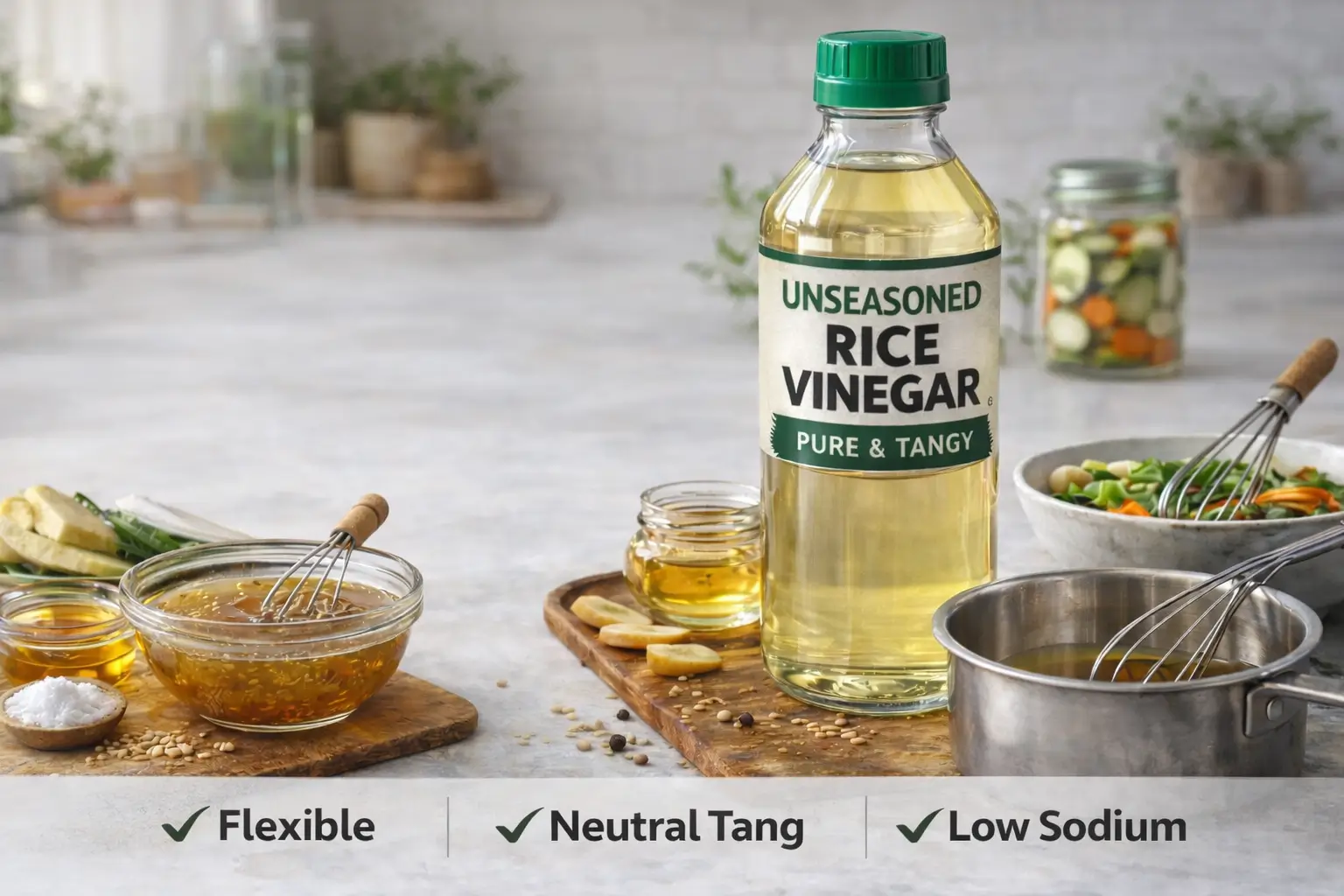
Seasoned vs unseasoned rice vinegar is one of the hottest debates in home kitchens, especially for sushi lovers and Asian-inspired recipes. These two vinegars look almost the same on store shelves but deliver completely different results in your dishes. Picking the wrong one can turn perfect sushi rice into a salty mess or leave your marinade flat and boring. If you’ve wondered seasoned vs unseasoned rice vinegar which one is better, this guide has the answers.
Seasoned vs unseasoned rice vinegar trips up even experienced cooks because their bottles are so similar, yet the contents couldn’t be more different. Seasoned rice vinegar has added sugar, salt, and sometimes MSG for instant flavor, while unseasoned is just pure, fermented rice vinegar with no extras. This impacts everything from taste and nutrition to how they work in recipes like sushi or dressings.
Rice vinegar starts as fermented rice with a gentle, slightly sweet tang—much milder than harsh white vinegar. In U.S. homes, it’s essential for sushi rice, marinades, Asian slaw, and even bariatric-friendly jello fluff recipes that need acidity without sharpness. But swap seasoned for unseasoned (or the reverse), and your dish’s balance goes off the rails.
This ultimate breakdown covers seasoned vs unseasoned rice vinegar taste, nutrition facts, sushi uses, substitutes like mirin, and pro tips so you always choose right. You’ll master seasoned vs unseasoned rice vinegar for sushi and beyond by the end.
What Is Rice Vinegar?
To master seasoned vs unseasoned rice vinegar, start by understanding rice vinegar itself. Rice vinegar comes from fermenting rice sugars into alcohol, then acetic acid, creating a mild, slightly sweet vinegar that’s far gentler than sharp white or apple cider vinegar. This smooth profile makes it perfect for subtle flavor boosts without overwhelming dishes.
In U.S. kitchens, rice vinegar shines in sushi, poke bowls, Asian salads, and stir-fries—much like the tangy elements in our ranch water recipe. Its balanced acidity elevates ingredients, which is why seasoned vs unseasoned rice vinegar taste and uses spark so much debate among home cooks on Reddit and beyond.
Most rice vinegars hit 4-5% acidity, ideal for sushi rice, quick pickles, cucumber salads, and light marinades like those paired with ginger bug ferments. Both seasoned vs unseasoned rice vinegar share this fermented rice base—the split happens post-fermentation with additives.
Japanese versions stay mild and clear (what you’ll find at most U.S. stores), while Chinese styles can be bolder and darker. Knowing this foundation clarifies seasoned vs unseasoned rice vinegar for sushi and why extras like sugar shift its role dramatically in recipes.
Key Differences in Ingredients and Flavor
When comparing seasoned vs unseasoned rice vinegar, the biggest giveaway is the ingredients list. Both start with fermented rice vinegar as the base, but seasoned rice vinegar packs added sugar and salt for instant flavor. Unseasoned rice vinegar stays pure with no extras, giving you a blank canvas every time.
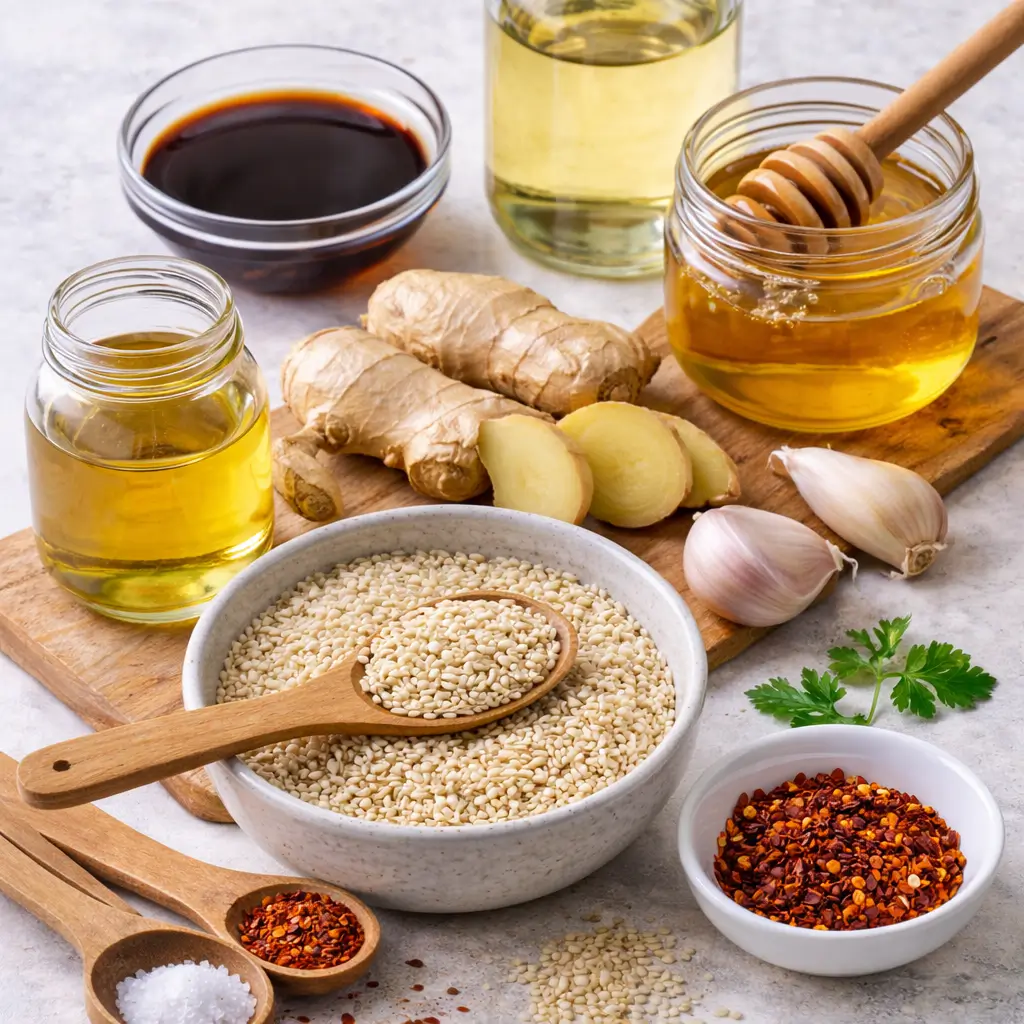
These changes hit flavor, nutrition, and recipe performance hard. Seasoned rice vinegar taste comes sweet and balanced straight from the bottle, while unseasoned rice vinegar taste stays clean, tangy, and sharp without any hidden sweetness—perfect for dialing in exact profiles.
Here’s a quick comparison of seasoned vs unseasoned rice vinegar to settle the debate:
| Feature | Seasoned Rice Vinegar | Unseasoned Rice Vinegar |
|---|---|---|
| Base Ingredient | Fermented rice vinegar | Fermented rice vinegar |
| Added Sugar | Yes | No |
| Added Salt | Yes | No |
| Taste Profile | Mild, sweet, slightly salty | Clean, tangy, mildly acidic |
| Best For | Sushi rice, quick dressings | Marinades, sauces, pickling |
| Sodium Content | Higher | Very low |
Seasoned rice vinegar shines for easy sushi rice (like in our Japanese jello weight loss recipe) since it’s pre-seasoned. But it boxes you in on sodium and sugar control.
Unseasoned rice vinegar gives full customization for low-sodium needs or precise recipes, like building your own coconut sugar caramel sauce. Master these seasoned vs unseasoned rice vinegar nutrition and taste gaps to nail any dish.
When to Use Seasoned Rice Vinegar
Mastering seasoned vs unseasoned rice vinegar means knowing precisely when to grab each. Seasoned rice vinegar rules for sushi rice since it packs the ideal sugar-salt mix right out of the bottle, skipping extra steps for foolproof results every time.
U.S. home cooks love seasoned rice vinegar for fast recipes where ease wins—like beginners whipping up poke or slaws without measuring. No need for separate sugar or salt; it’s ready to shine.
Top uses for seasoned rice vinegar in American kitchens:
- Sushi rice prep
- Poke bowls
- Asian coleslaw
- Quick cucumber salads
- Simple dipping sauces
For seasoned vs unseasoned rice vinegar for sushi, go seasoned—traditional recipes expect that pre-mixed balance, much like the precise tang in our Dr. Oz pink gelatin trick.
Watch the downsides: seasoned rice vinegar nutrition means higher sugar and sodium, so skip it for low-sugar diets or if your marinade risks getting too sweet. Double-check recipes—if sugar and salt are listed apart, they mean unseasoned.
Nail seasoned vs unseasoned rice vinegar reddit favorites by matching to the dish for spot-on flavor every time.
When to Use Unseasoned Rice Vinegar
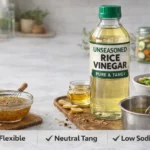
In the seasoned vs unseasoned rice vinegar debate, unseasoned takes the crown for flexibility and control. With zero added sugar or salt, it lets you dial in exact seasoning to match recipes or diets like low-sodium plans.
Pros swear by unseasoned rice vinegar for its neutral tang—pure acidity without sneaky sweetness makes it the most versatile pick in seasoned vs unseasoned rice vinegar matchups.
Prime uses for unseasoned rice vinegar in U.S. kitchens:
- Marinades for chicken, beef, pork, or tofu
- Stir-fry sauces with precise sugar control
- Low-sodium or low-sugar dishes
- Homemade salad dressings
- Vegetable pickling
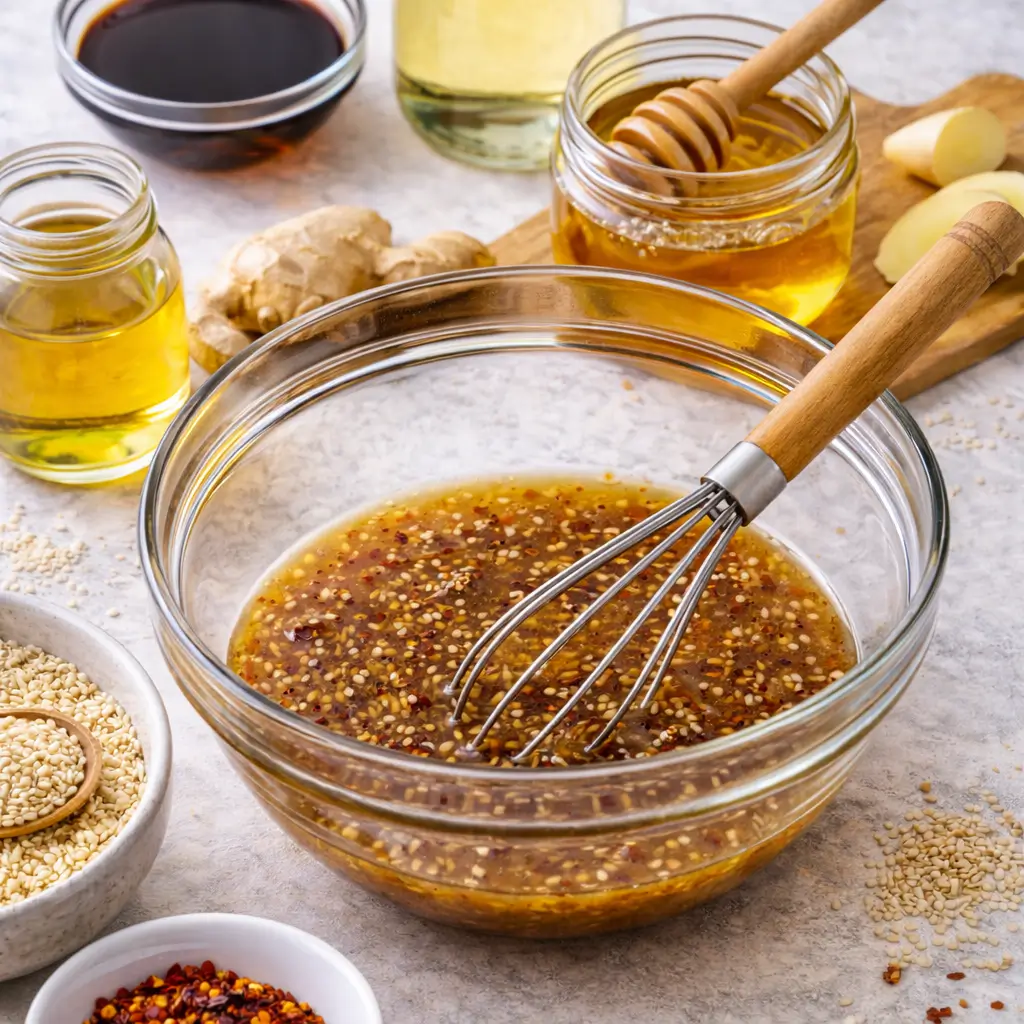
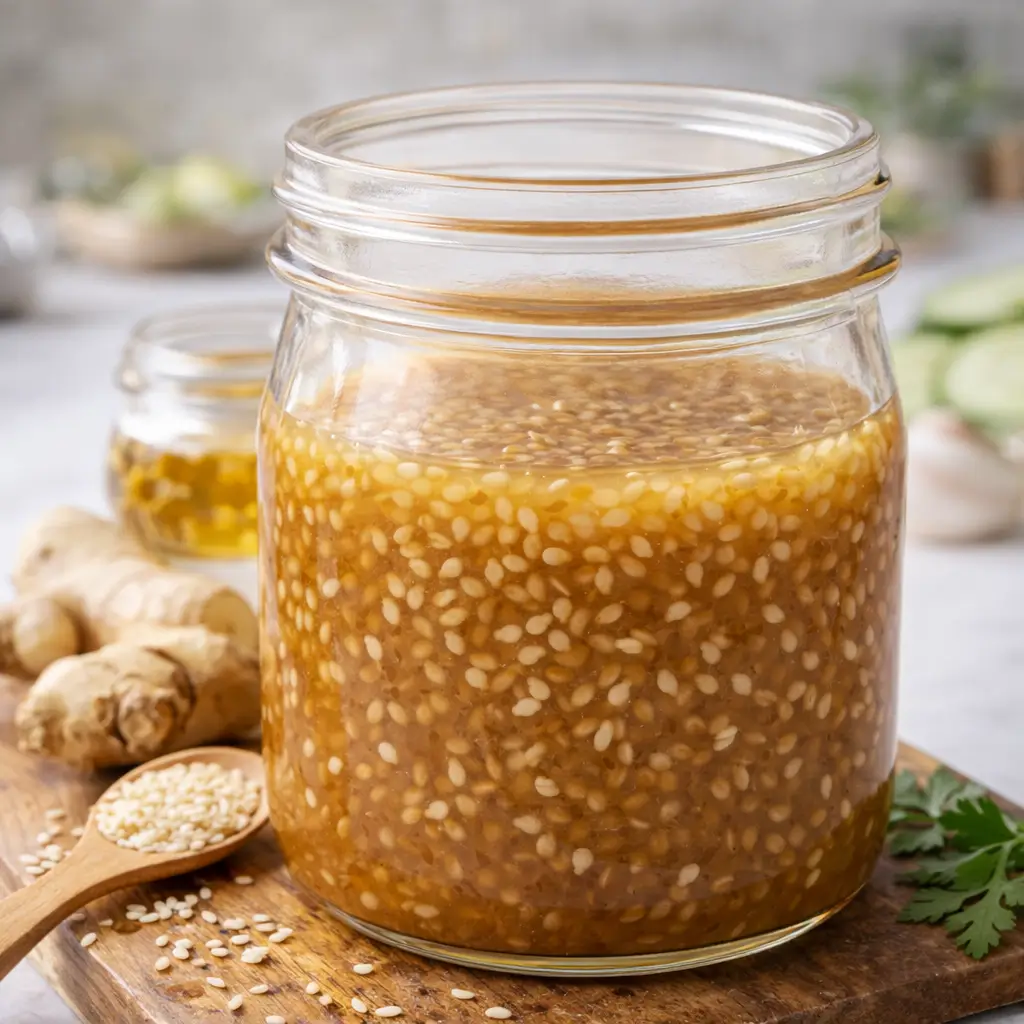
Take sesame-ginger dressing: unseasoned rice vinegar lets you add just the right honey or syrup without oversweetening, unlike seasoned which stacks sugar on sugar. Pair it with our clove water recipe for clean infusion vibes.
Seasoned vs unseasoned rice vinegar nutrition favors unseasoned for transparency—minimal calories, near-zero sodium from its pure fermented base. Recipes listing separate sugar/salt? They mean unseasoned every time, like the balance in lemon balm drops for weight loss.
Grab unseasoned rice vinegar for precision in tricky seasonings and watch your dishes hit perfect harmony.
Substitution Tips and Cooking Adjustments
In the seasoned vs unseasoned rice vinegar debate, swaps are totally doable—but demand smart tweaks to keep flavors on point. Got seasoned rice vinegar when a recipe wants unseasoned? Cut back on added sugar and salt hard, since it’s already loaded. Skip the adjustment and risk a dessert-level marinade or salt bomb.
Here’s your go-to seasoned rice vinegar substitute and seasoned vs unseasoned rice vinegar swap chart:
| If Recipe Calls For | You Have | What To Do |
|---|---|---|
| Unseasoned rice vinegar | Seasoned rice vinegar | Reduce added sugar and salt in recipe |
| Seasoned rice vinegar | Unseasoned rice vinegar | Add 1 tbsp sugar + 1 tsp salt per ½ cup vinegar |
Sushi rice demands precision—use unseasoned rice vinegar as a seasoned rice vinegar substitute? Mix in sugar and salt first for that classic American sushi roll vibe, like the tangy layers in our green banana trick for diabetes.
How to make seasoned rice vinegar from unseasoned works perfectly for emergencies. Other swaps like apple cider (fruity, bolder) or white wine vinegar (sharper)? Dilute 3:1 with water to match rice vinegar’s gentle acidity.
Seasoned vs unseasoned rice vinegar reddit hacks all stress tasting as you go. Seasoned rice vinegar vs mirin? Mirin’s sweeter—use half as much seasoned instead. Master these seasoned vs unseasoned rice vinegar nutrition tweaks and is natural rice vinegar unseasoned basics for bulletproof cooking.
Common Cooking Uses in American Kitchens
The seasoned vs unseasoned rice vinegar debate snaps into focus when you see real-world uses in U.S. home cooking. With Asian-inspired dishes exploding nationwide, rice vinegar ranks as a must-have pantry MVP for everything from weeknight dinners to meal prep.
Seasoned rice vinegar owns sushi nights and restaurant-style rolls with its built-in sweet-salt punch, perfect for:
- California rolls
- Spicy tuna rolls
- Poke bowls
- Quick cucumber salad
- Asian style slaw
Busy families grab it for no-fuss flavor—like the effortless zing in our ranch water recipe—since sugar and salt are already mixed in.
Unseasoned rice vinegar dominates healthier, customizable cooking where control matters, shining in:
- Weight loss meals
- Homemade vinaigrettes
- Low-sodium marinades
- Stir-fry sauces
- Pickled red onions
- Dumpling dipping sauces
In seasoned vs unseasoned rice vinegar nutrition battles, unseasoned wins for clean eating and precise meal prep, much like the low-cal hacks in Japanese jello weight loss recipe.
Rice vinegar trends big now for perking up grain bowls and roasted veggies too—just a splash lifts everything without stealing the show. Whether it’s sushi for date night or a bariatric jello fluff remix, knowing seasoned vs unseasoned rice vinegar for sushi and beyond keeps your kitchen dialed in perfectly.
Practical Buying Tips and Storage Guide
When tackling seasoned vs unseasoned rice vinegar at the store, smart label reading cuts through confusion fast. Both live on U.S. supermarket shelves, Asian markets, and Amazon, but ingredients tell the real story: sugar + salt after rice vinegar means seasoned; just “rice vinegar” or “fermented rice” signals unseasoned. This seasoned vs unseasoned rice vinegar reddit hack ensures you grab the right one every time.
| Buying Factor | Seasoned Rice Vinegar | Unseasoned Rice Vinegar |
|---|---|---|
| Best For | Sushi and quick recipes | Flexible cooking, meal prep |
| Sugar Content | Contains added sugar | No added sugar |
| Sodium Level | Moderate sodium | Very low sodium |
| Dietary Control | Less customizable | Fully customizable |
| Label Clues | Mentions sugar and salt | Lists only rice vinegar |
Storage stays dead simple for seasoned vs unseasoned rice vinegar—stash in a cool, dry pantry spot. Seal tight after opening; fridge is optional but extends freshness. High acidity means both last years, perfect for building flavor like in our how to use lemon balm drops for weight loss.
In seasoned vs unseasoned rice vinegar nutrition and taste debates, stock both for total control—seasoned for sushi sprints, unseasoned for custom bavarian pizza recipe marinades. Your pantry, your rules.
Conclusion: Master Your Rice Vinegar Choice
Mastering seasoned vs unseasoned rice vinegar unlocks total kitchen confidence and precision. Both share that fermented rice base, but seasoned rice vinegar adds sugar and salt for instant balance—ideal for sushi rice or fast Asian slaw that needs no tweaks. Unseasoned rice vinegar delivers pure tang, letting you control every gram of sweetness and sodium for custom perfection.
U.S. home cooks split the seasoned vs unseasoned rice vinegar which one is better debate by need: grab seasoned for sushi shortcuts and busy nights, unseasoned for low-sodium weight loss recipes or experimental marinades like our coconut sugar caramel sauce.
Stock both to crush any recipe—seasoned vs unseasoned rice vinegar for sushi, dressings, or pickling. You’ll dodge flavor fails and nail fresh, intentional dishes every time, from clove water infusions to bold experiments. Your pantry’s now unstoppable.
Frequently Asked Questions About Seasoned vs Unseasoned Rice Vinegar
What is the main difference between seasoned vs unseasoned rice vinegar?
The core split in seasoned vs unseasoned rice vinegar hits the ingredients: seasoned packs added sugar and salt for instant flavor, while unseasoned stays pure fermented rice vinegar with zero extras. This shifts seasoned vs unseasoned rice vinegar taste, sodium, and recipe control significantly.
Can I use seasoned rice vinegar instead of unseasoned rice vinegar?
Yes, but tweak the recipe carefully. Seasoned rice vinegar already contains sugar and salt, so reduce or remove those additions in your recipe to avoid making it overly sweet or salty.
Which is better for sushi, seasoned or unseasoned rice vinegar?
For most home cooks, seasoned rice vinegar is easier because it already contains the traditional sugar and salt blend needed for sushi rice. Professional chefs often prefer unseasoned rice vinegar for precise control over flavor balance.
Is seasoned rice vinegar sweeter than unseasoned?
Yes. Seasoned rice vinegar contains added sugar, giving it a noticeably sweeter taste, while unseasoned rice vinegar is clean, tangy, and contains no added sweeteners.
Is unseasoned rice vinegar healthier?
Unseasoned rice vinegar is generally lower in sodium and sugar since it contains no added ingredients. This makes it a better option for low-sodium or low-sugar diets.
Can I substitute apple cider vinegar for rice vinegar?
Yes, in a pinch. Apple cider vinegar has a stronger, fruitier flavor, so dilute it with water (about 3 parts apple cider vinegar to 1 part water) to better match rice vinegar’s mild taste.
Does seasoned rice vinegar need to be refrigerated?
Refrigeration is not required, but it can help preserve flavor after opening. Both seasoned and unseasoned rice vinegar can be stored sealed in a cool, dark pantry for long shelf life thanks to their acidity.
Why does my recipe taste too sweet when using rice vinegar?
You likely used seasoned rice vinegar in a recipe that called for unseasoned. Since seasoned rice vinegar already contains sugar, the added sugar in the recipe can make the final dish overly sweet.
Can I make seasoned rice vinegar at home?
Yes. To make seasoned rice vinegar, mix 1 tablespoon of sugar and 1 teaspoon of salt into 1/2 cup of unseasoned rice vinegar. Stir until fully dissolved and adjust to taste.
Which type should I keep in my pantry?
For maximum versatility, keep both. Seasoned rice vinegar is convenient for sushi and quick recipes, while unseasoned rice vinegar gives you full control for marinades, dressings, and custom seasoning blends.
Seasoned vs Unseasoned Rice Vinegar: Key Differences
- Total Time: 5 minutes
- Yield: Reference Guide
- Diet: Gluten Free
Description
Seasoned vs unseasoned rice vinegar is one of the biggest kitchen debates. Learn the key differences in taste, nutrition, sushi use, substitutions, and how to choose the right one every time.
Ingredients
- Seasoned rice vinegar
- Unseasoned rice vinegar
- Sugar (for adjustments)
- Salt (for adjustments)
- Water (for dilution if substituting)
- Apple cider vinegar (optional substitute)
- White wine vinegar (optional substitute)
- Mirin (optional substitute comparison)
Instructions
- Read the ingredient label carefully before purchasing rice vinegar.
- Choose seasoned rice vinegar for sushi rice and quick dressings.
- Choose unseasoned rice vinegar for marinades, sauces, and low-sodium recipes.
- If substituting seasoned for unseasoned, reduce added sugar and salt in the recipe.
- If substituting unseasoned for seasoned, mix 1 tablespoon sugar and 1 teaspoon salt per 1/2 cup vinegar.
- Taste and adjust seasoning gradually for balance.
- Store rice vinegar in a cool, dark pantry after opening.
- Seal tightly to preserve freshness.
Notes
Seasoned rice vinegar contains added sugar and salt, while unseasoned is pure fermented rice vinegar. Always check your recipe to determine which type is required before substituting.
- Prep Time: 5 minutes
- Cook Time: 0 minutes
- Category: Cooking Guide
- Method: No Cook
- Cuisine: Asian
Nutrition
- Serving Size: 1 tablespoon
- Calories: 15
- Sugar: 2g
- Sodium: 120mg
- Fat: 0g
- Saturated Fat: 0g
- Unsaturated Fat: 0g
- Trans Fat: 0g
- Carbohydrates: 3g
- Fiber: 0g
- Protein: 0g
- Cholesterol: 0mg
Keywords: seasoned vs unseasoned rice vinegar, rice vinegar differences, sushi vinegar guide, rice vinegar substitutes, seasoned rice vinegar nutrition