
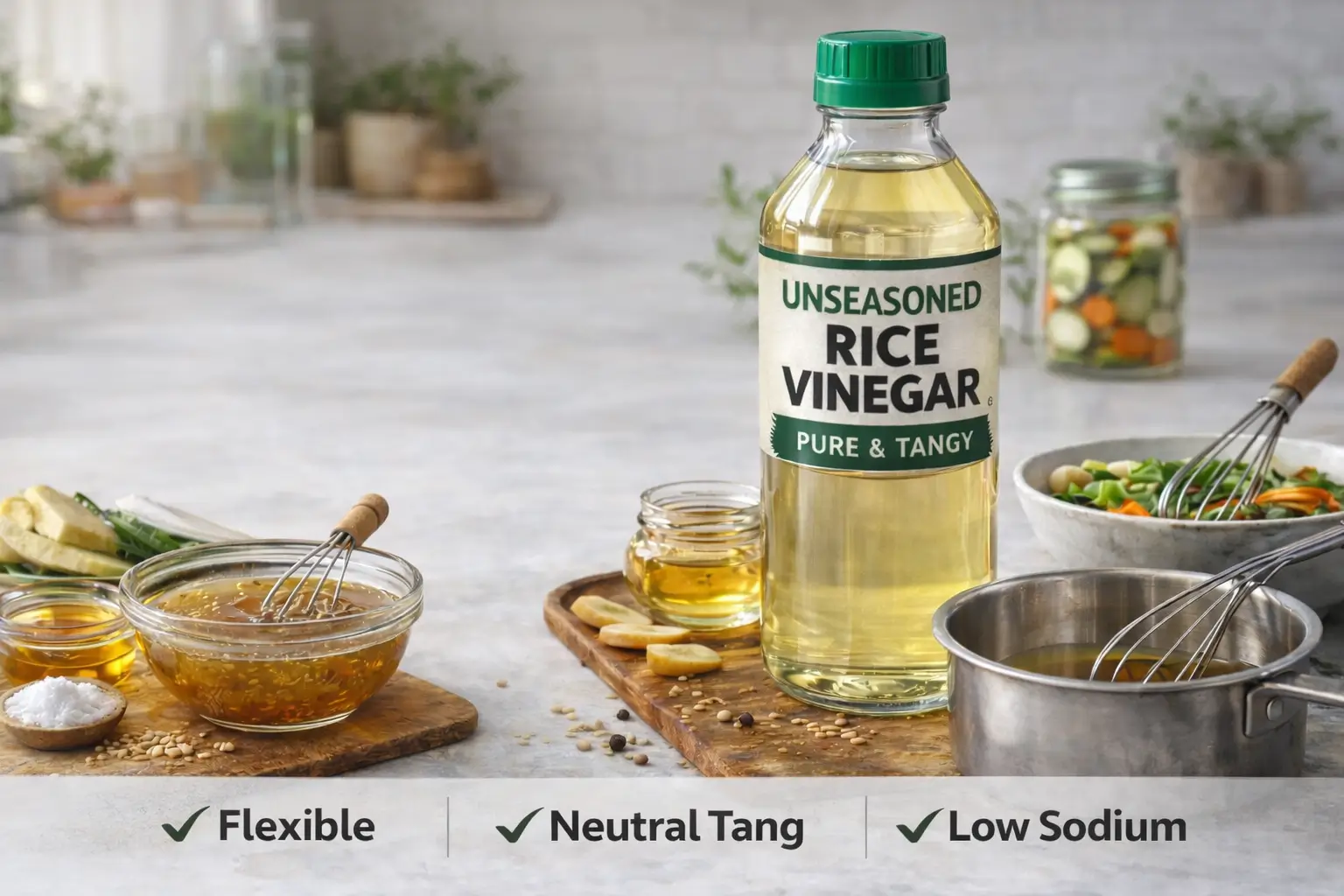
Seasoned vs unseasoned rice vinegar is one of those kitchen questions that trips up even experienced cooks, especially sushi lovers and anyone working through Asian-inspired recipes. The two bottles look nearly identical on the shelf, but what’s inside is completely different — and picking the wrong one can turn perfect sushi rice into a salty mess or leave a marinade flat and boring.
Seasoned rice vinegar has added sugar, salt, and sometimes MSG mixed in for instant flavor, while unseasoned is just pure, fermented rice vinegar with nothing extra. That single difference changes everything from taste and sodium content to how each one performs in a recipe.
Rice vinegar itself starts as fermented rice, giving it a gentle, slightly sweet tang that’s much milder than sharp white vinegar. In American kitchens, it’s a staple for sushi rice, marinades, and Asian-style slaw. This guide covers the real differences in taste and nutrition, when to reach for each one, how to substitute between them (and for other vinegars entirely), and how mirin fits into the picture.
What Is Rice Vinegar?
Rice vinegar comes from fermenting rice sugars into alcohol, then into acetic acid, which produces a mild, slightly sweet vinegar that’s far gentler than white or apple cider vinegar. That smooth profile is exactly why it works so well for subtle flavor boosts without overwhelming a dish, the same way the tangy elements in a ranch water recipe add brightness without dominating.
Most bottles land around 4-5% acidity, which is ideal for sushi rice, quick pickles, cucumber salads, and light marinades. Both seasoned and unseasoned rice vinegar share this same fermented rice base — the split happens afterward, depending on whether sugar and salt get added.
Japanese versions tend to stay mild and clear, which is what you’ll find at most U.S. grocery stores, while Chinese styles can be bolder and darker. Knowing that baseline makes it much easier to understand why the seasoned version behaves so differently once sugar and salt enter the picture.
Key Differences in Ingredients and Flavor
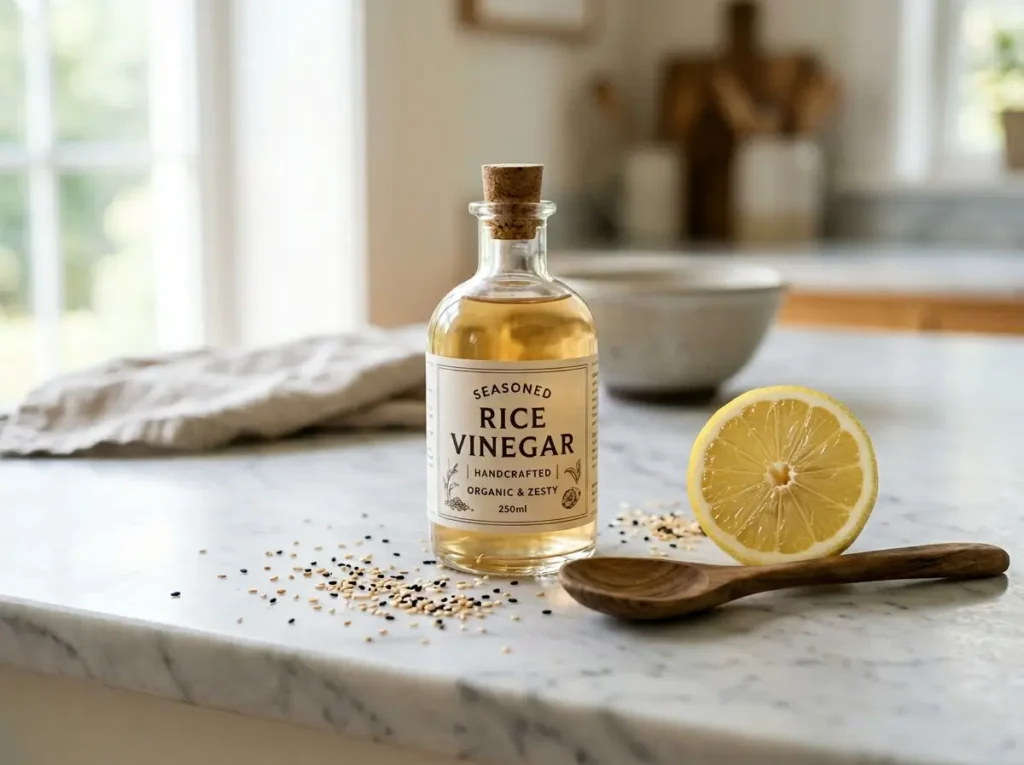
Both vinegars start with the same fermented rice base. Seasoned rice vinegar adds sugar and salt for instant flavor, while unseasoned stays pure, giving you a blank canvas to work with. That difference shows up clearly in taste: seasoned comes across sweet and balanced right out of the bottle, while unseasoned stays clean, tangy, and sharp with no hidden sweetness.
| Feature | Seasoned Rice Vinegar | Unseasoned Rice Vinegar |
|---|---|---|
| Base Ingredient | Fermented rice vinegar | Fermented rice vinegar |
| Added Sugar | Yes | No |
| Added Salt | Yes | No |
| Taste Profile | Mild, sweet, slightly salty | Clean, tangy, mildly acidic |
| Best For | Sushi rice, quick dressings | Marinades, sauces, pickling |
| Sodium Content | Higher | Very low |
Seasoned rice vinegar is convenient for sushi rice since it’s already pre-balanced, but that convenience comes at the cost of control over sodium and sugar. Unseasoned gives you full customization for low-sodium cooking or precise recipes, like building your own coconut sugar caramel sauce from scratch.
When to Use Seasoned Rice Vinegar
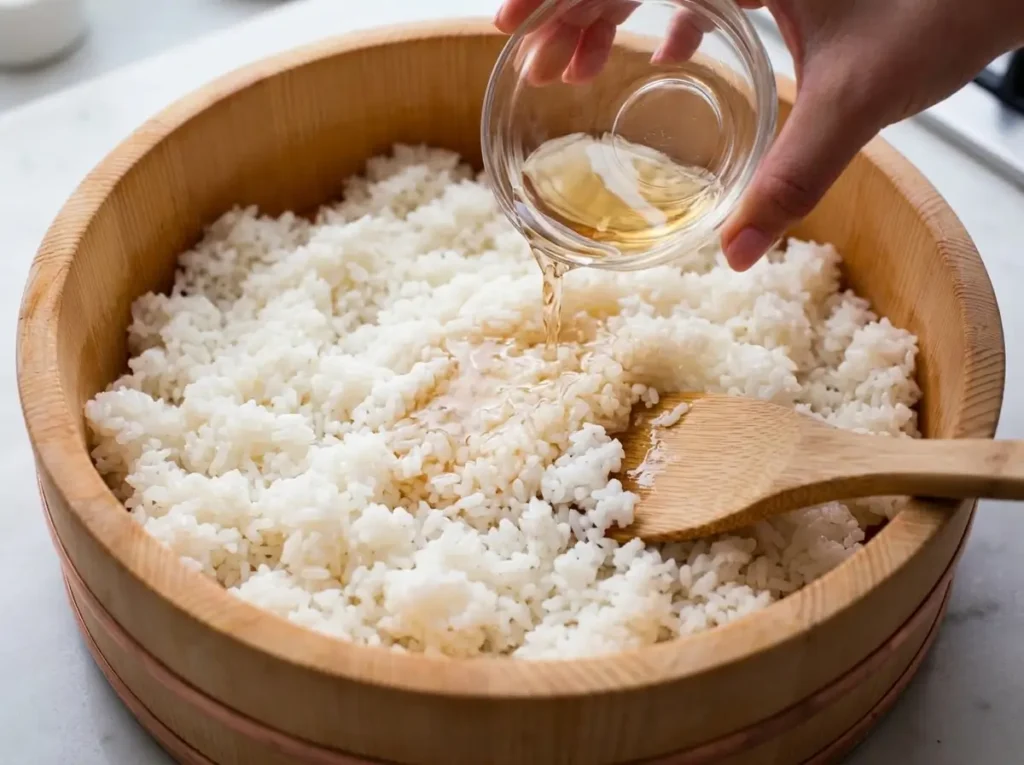
Seasoned rice vinegar is the easy choice for sushi rice, since it already has the sugar-salt balance built in, skipping a step for reliable results every time. It’s a favorite for fast recipes where convenience wins — poke bowls, slaws, and dipping sauces that don’t need separate measuring.
Good uses for seasoned rice vinegar include sushi rice prep, poke bowls, Asian-style coleslaw, quick cucumber salads, and simple dipping sauces. For sushi specifically, seasoned is the traditional choice, since most recipes are built around that pre-mixed balance.
The trade-off is sodium and sugar — skip it for low-sugar diets or marinades where you’re trying to control sweetness precisely. If a recipe lists sugar and salt as separate ingredients, that’s usually a sign it’s calling for unseasoned instead.
When to Use Unseasoned Rice Vinegar
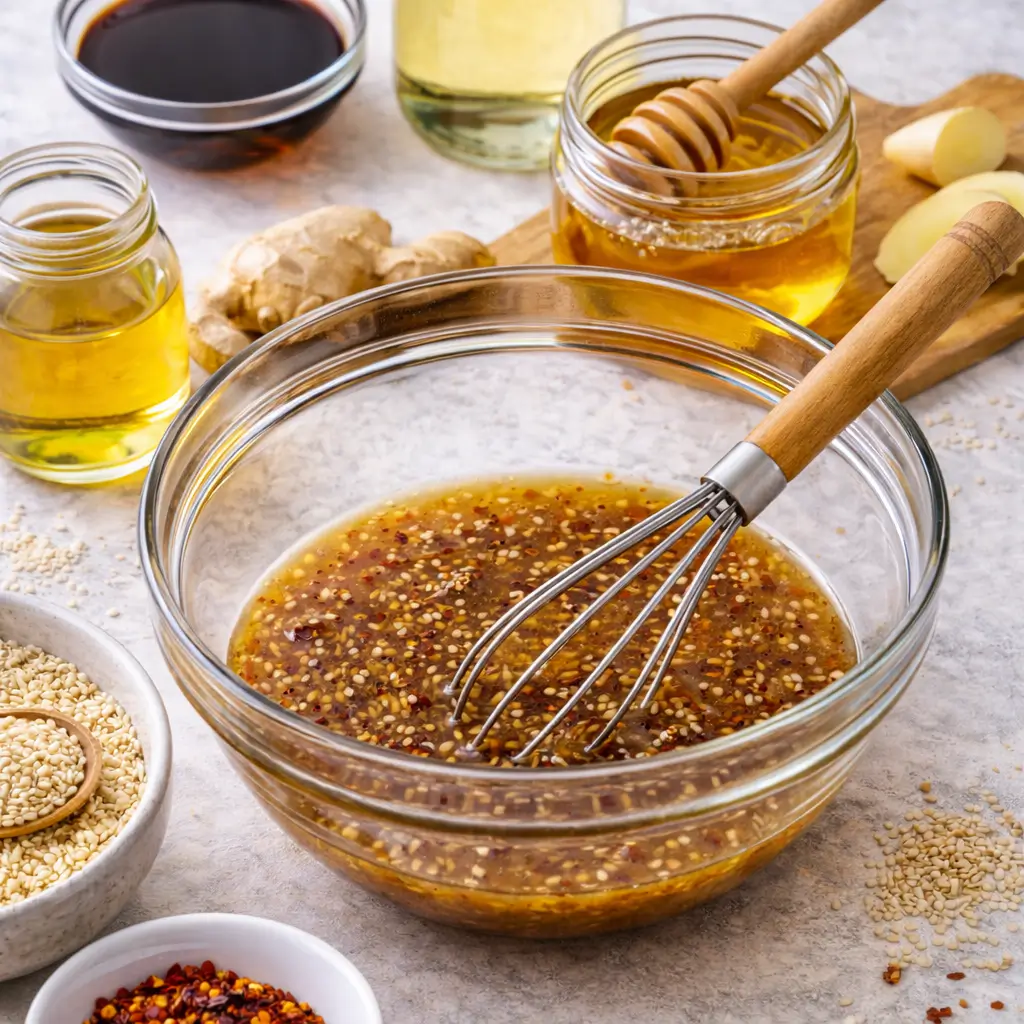
Unseasoned rice vinegar wins on flexibility. With zero added sugar or salt, it lets you dial in exact seasoning to match a specific recipe or dietary need, like a low-sodium plan. Its neutral tang — pure acidity without any hidden sweetness — makes it the more versatile pick overall.
It’s the better choice for marinades (chicken, beef, pork, or tofu), stir-fry sauces where you want precise sugar control, low-sodium or low-sugar dishes, homemade salad dressings, and vegetable pickling. In a sesame-ginger dressing, for example, unseasoned rice vinegar lets you add exactly the right amount of honey without stacking sweetness on top of sweetness the way seasoned vinegar would.
If a recipe lists sugar and salt separately rather than assuming they’re already in the vinegar, it’s built around unseasoned rice vinegar.
Substitution Tips and Cooking Adjustments
Swapping between seasoned and unseasoned is doable, but it needs a small adjustment to keep the flavor balanced. If a recipe calls for unseasoned and you only have seasoned on hand, cut back hard on any added sugar and salt the recipe calls for, since the vinegar itself is already carrying both. Going the other way, add about 1 tablespoon of sugar and 1 teaspoon of salt per ½ cup of unseasoned vinegar to approximate the seasoned version.
| If Recipe Calls For | You Have | What To Do |
|---|---|---|
| Unseasoned rice vinegar | Seasoned rice vinegar | Reduce added sugar and salt in the recipe |
| Seasoned rice vinegar | Unseasoned rice vinegar | Add 1 tbsp sugar + 1 tsp salt per ½ cup vinegar |
For sushi rice specifically, precision matters — mix the sugar and salt into unseasoned vinegar first before combining it with the rice, rather than adjusting after the fact.
Rice Vinegar Substitute: What Actually Works

Sometimes the question isn’t seasoned versus unseasoned — it’s what to use when you’re out of rice vinegar entirely. A few pantry staples get you close, as long as you adjust for the difference in strength and sweetness.
| Substitute | Ratio | Notes |
|---|---|---|
| Apple cider vinegar | Dilute 3:1 with water | Fruitier and bolder — cut it back or dishes taste off |
| White wine vinegar | 1:1 | Sharper acidity, closest in intensity to unseasoned rice vinegar |
| Sherry vinegar | Dilute 2:1 with water | Deeper, nuttier flavor — works well in marinades, less so in delicate dressings |
| Mirin | Use half as much, skip added sugar | Already sweet — see the full comparison below |
| Lemon or lime juice | 1:1, in a pinch | Adds brightness but not the same fermented depth |
For sushi rice specifically, white wine vinegar with a pinch of sugar and salt is the closest stand-in if seasoned rice vinegar isn’t available. For marinades and dressings where the fermented tang matters less than the acidity, any of the vinegar-based swaps above will get the job done.
Mirin vs Rice Vinegar: They’re Not Interchangeable
Mirin and rice vinegar get mixed up constantly because they sit next to each other on the same grocery shelf, but they’re fundamentally different ingredients. Rice vinegar is fermented into an acid. Mirin is a sweet rice wine with a small amount of alcohol, closer to cooking sake than to vinegar.
| Feature | Rice Vinegar | Mirin |
|---|---|---|
| Base | Fermented rice, acidic | Sweet rice wine |
| Alcohol content | None | Low (roughly 1–14% depending on type) |
| Sweetness | None (unseasoned) to mild (seasoned) | Naturally sweet |
| Role in cooking | Adds acidity and tang | Adds sweetness and glaze-like shine |
| Common uses | Sushi rice, dressings, pickling | Teriyaki sauce, glazes, simmered dishes |
They’re not a straight swap. If a recipe calls for mirin and you only have rice vinegar, you’ll get acidity without the sweetness or that characteristic glossy finish, so you’d need to add sugar separately to compensate. Going the other way — using mirin in place of rice vinegar — throws off the acid balance a dish needs, particularly in sushi rice, where that tang is doing real work. If you’re watching sugar intake, it’s worth knowing mirin contributes noticeably more of it than rice vinegar does, so checking the label matters more here than with most pantry swaps.
Common Cooking Uses in American Kitchens
With Asian-inspired dishes now a regular part of American home cooking, rice vinegar has become a pantry staple for everything from weeknight dinners to meal prep.
Seasoned rice vinegar owns sushi night and restaurant-style rolls with its built-in sweet-salt balance — think California rolls, spicy tuna rolls, poke bowls, quick cucumber salad, and Asian-style slaw. It’s the easy choice for busy families who want reliable flavor without extra steps.
Unseasoned rice vinegar dominates the more customizable side of cooking: homemade vinaigrettes, low-sodium marinades, stir-fry sauces, pickled red onions, and dumpling dipping sauces. It’s also the better pick for cleaner, more controlled meal prep in general, since nothing is pre-mixed in.
Rice vinegar has also found its way into grain bowls and roasted vegetables lately — just a splash lifts the dish without taking it over.
Practical Buying Tips and Storage Guide
Reading the label is the fastest way to tell seasoned and unseasoned apart at the store. If sugar and salt appear on the ingredients list after rice vinegar, it’s seasoned. If the label just says “rice vinegar” or “fermented rice,” it’s unseasoned. Both are widely available at U.S. supermarkets, Asian markets, and online.
| Buying Factor | Seasoned Rice Vinegar | Unseasoned Rice Vinegar |
|---|---|---|
| Best For | Sushi and quick recipes | Flexible cooking, meal prep |
| Sugar Content | Contains added sugar | No added sugar |
| Sodium Level | Moderate sodium | Very low sodium |
| Dietary Control | Less customizable | Fully customizable |
| Label Clues | Mentions sugar and salt | Lists only rice vinegar |
Storage is simple for both: keep them in a cool, dry pantry spot, and seal tightly after opening. Refrigeration isn’t required, though it can help preserve flavor over time. High acidity means both types last a long time once opened.
Conclusion: Master Your Rice Vinegar Choice
Both seasoned and unseasoned rice vinegar share the same fermented rice base, but seasoned adds sugar and salt for instant balance — ideal for sushi rice or a fast Asian-style slaw that needs no adjustments. Unseasoned delivers pure tang, letting you control every gram of sweetness and sodium for a more customized result.
Most home cooks end up splitting the choice by need: seasoned for sushi shortcuts and busy weeknights, unseasoned for low-sodium cooking or marinades where precision matters. Stocking both means you’re covered for sushi, dressings, pickling, or anything in between, from quick weeknight dinners to more deliberate recipes like a clove water infusion.
Frequently Asked Questions
What is the main difference between seasoned and unseasoned rice vinegar?
Seasoned rice vinegar has added sugar and salt for instant flavor, while unseasoned stays pure fermented rice vinegar with nothing extra. That single difference shapes taste, sodium content, and how each performs in a recipe.
Can I use seasoned rice vinegar instead of unseasoned rice vinegar?
Yes, but reduce or remove any sugar and salt the recipe calls for separately, since seasoned rice vinegar already contains both — otherwise the dish can turn out overly sweet or salty.
Which is better for sushi, seasoned or unseasoned rice vinegar?
Seasoned is easier for most home cooks since it already has the traditional sugar-salt blend built in. Professional chefs often prefer unseasoned for precise control over the exact balance.
Is seasoned rice vinegar sweeter than unseasoned?
Yes. The added sugar in seasoned rice vinegar gives it a noticeably sweeter taste, while unseasoned stays clean and tangy with no added sweeteners.
Is unseasoned rice vinegar healthier?
It’s generally lower in sodium and sugar since nothing extra is added, which makes it the better option for low-sodium or low-sugar diets.
Can I substitute apple cider vinegar for rice vinegar?
Yes, in a pinch. Apple cider vinegar is stronger and fruitier, so dilute it about 3 parts vinegar to 1 part water to get closer to rice vinegar’s milder profile.
Does seasoned rice vinegar need to be refrigerated?
No, though refrigeration can help preserve flavor after opening. Both types keep well in a cool, dark pantry thanks to their acidity.
Why does my recipe taste too sweet when using rice vinegar?
You likely used seasoned rice vinegar in a recipe written for unseasoned. Since seasoned already contains sugar, any additional sugar the recipe calls for stacks on top of it.
Can I make seasoned rice vinegar at home?
Yes. Stir 1 tablespoon of sugar and 1 teaspoon of salt into ½ cup of unseasoned rice vinegar until fully dissolved, then adjust to taste.
Which type should I keep in my pantry?
Both, if you have the space. Seasoned is convenient for sushi and quick recipes, while unseasoned gives full control for marinades, dressings, and custom seasoning.

Seasoned vs Unseasoned Rice Vinegar: Key Differences
- Total Time: 5 minutes
- Yield: Reference Guide
- Diet: Gluten Free
Description
Seasoned vs unseasoned rice vinegar is one of the biggest kitchen debates. Learn the key differences in taste, nutrition, sushi use, substitutions, and how to choose the right one every time.
Ingredients
- Seasoned rice vinegar
- Unseasoned rice vinegar
- Sugar (for adjustments)
- Salt (for adjustments)
- Water (for dilution if substituting)
- Apple cider vinegar (optional substitute)
- White wine vinegar (optional substitute)
- Mirin (optional substitute comparison)
Instructions
- Read the ingredient label carefully before purchasing rice vinegar.
- Choose seasoned rice vinegar for sushi rice and quick dressings.
- Choose unseasoned rice vinegar for marinades, sauces, and low-sodium recipes.
- If substituting seasoned for unseasoned, reduce added sugar and salt in the recipe.
- If substituting unseasoned for seasoned, mix 1 tablespoon sugar and 1 teaspoon salt per 1/2 cup vinegar.
- Taste and adjust seasoning gradually for balance.
- Store rice vinegar in a cool, dark pantry after opening.
- Seal tightly to preserve freshness.
Notes
Seasoned rice vinegar contains added sugar and salt, while unseasoned is pure fermented rice vinegar. Always check your recipe to determine which type is required before substituting.
- Prep Time: 5 minutes
- Cook Time: 0 minutes
- Category: Cooking Guide
- Method: No Cook
- Cuisine: Asian
Nutrition
- Serving Size: 1 tablespoon
- Calories: 15
- Sugar: 2g
- Sodium: 120mg
- Fat: 0g
- Carbohydrates: 3g
- Fiber: 0g
- Protein: 0g
Keywords: seasoned vs unseasoned rice vinegar, rice vinegar differences, sushi vinegar guide, rice vinegar substitutes, seasoned rice vinegar nutrition
1 thought on “Seasoned vs Unseasoned Rice Vinegar: Key Differences”