

Gelatin diet — if you’ve seen those two words all over your feed lately, you’re not alone. My inbox has been full of the same question for weeks: “Sophie, is this a real thing or just another internet trend?” So I did what I always do. I spent a week testing recipes in my own kitchen, reading what’s actually in that little packet of powder, and sorting the helpful from the hype. Here’s everything I learned, plus five easy, safe recipes you can make tonight.
| ⚕️ A quick note before we start: I’m a home cook, not a doctor or dietitian. Nothing in this article is medical advice. Gelatin is a food, not a treatment, and no single ingredient causes weight loss on its own. If you’re managing a health condition, are pregnant, or take medication, please talk to your healthcare provider before changing how you eat. |
What Is the Gelatin Diet?
Despite the name, the gelatin diet isn’t really a “diet” in the strict sense — there’s no official plan, no rulebook, no famous doctor behind it. It’s a loose trend where people add plain, unflavored gelatin to their daily routine: a gelatin drink in the morning, a sugar-free jello cup instead of dessert, or a spoonful of powder stirred into smoothies. The idea is that gelatin is high in protein, very low in calories, and helps you feel full longer.
If you’re wondering what’s actually inside that packet, I broke it all down in my guide to what gelatin is made of. The short version: it’s a protein extracted from collagen, and quality matters. I always cook with beef gelatin, and if you want the full rundown of why, here’s my breakdown of the actual benefits of beef gelatin — plus my full halal beef gelatin guide if you want to choose a brand with confidence.
What the Gelatin Diet Is NOT
Let me save you some scrolling. The gelatin diet is not:
- A replacement for meals. Gelatin is an incomplete protein — it’s missing tryptophan, an essential amino acid. It can’t be your main protein source.
- A magic fat burner. I looked closely at this in my article does gelatin help with weight loss? — the honest answer is that it may help with fullness, nothing more.
- The same as the viral “gelatin trick.” That’s a separate trend, and I tested it myself in does the gelatin trick really work? along with the famous Jillian Michaels gelatin trick recipe — and more recently, the horse gelatin trick that went viral this year.
Why People Are Trying It (The Honest Version)
Here’s what gelatin genuinely brings to the table, based on what I noticed during my own test week:
- Protein for almost no calories. One tablespoon of plain gelatin has about 6 grams of protein and roughly 23 calories.
- It keeps you full. A gelatin dessert before dinner took the edge off my appetite — I served myself smaller portions without thinking about it.
- It makes “diet-friendly” desserts taste like real desserts. This is the part I love as a food blogger. A wobbly, glossy panna cotta feels indulgent even when it’s light.
People often confuse gelatin with collagen supplements, by the way. They’re cousins, not twins — I explain the difference in collagen vs gelatin.
How Much Gelatin Per Day Is Safe?
For most healthy adults, 1 to 2 tablespoons (about 10–20 g) of food-grade gelatin per day is the common-sense range used in home cooking. More is not better — too much can cause bloating or digestive discomfort. I wrote a complete breakdown in how much gelatin per day, including who should skip it altogether. And remember: gelatin counts toward your protein for the day, it doesn’t replace balanced meals.
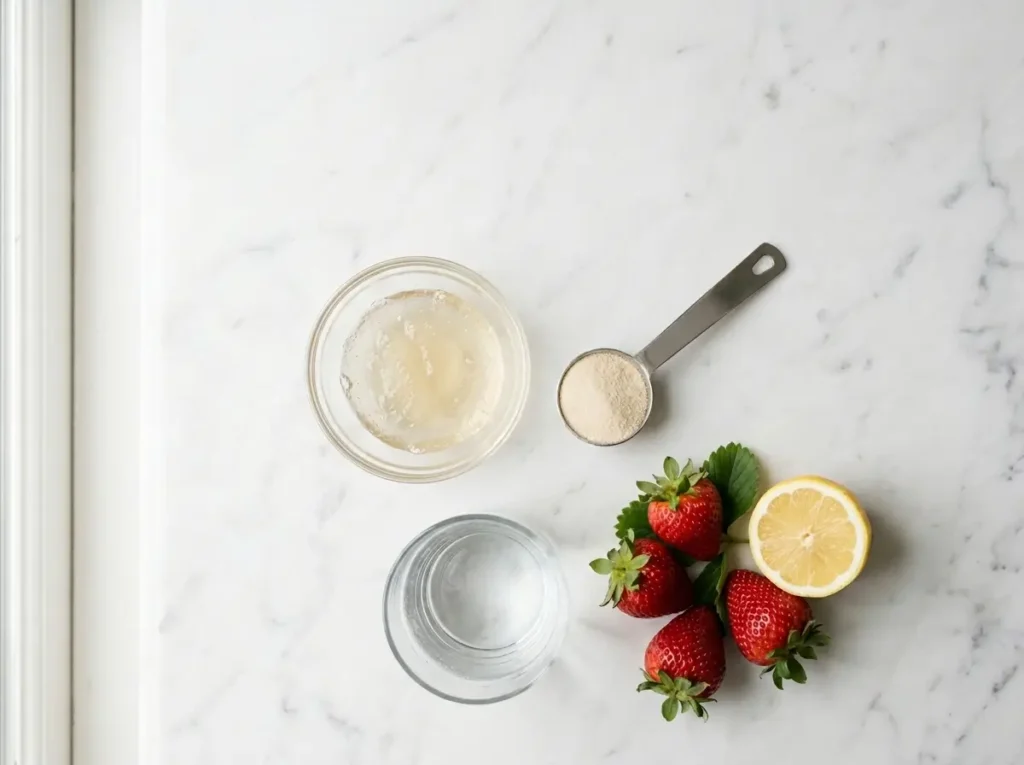
5 Easy, Safe Gelatin Diet Recipes
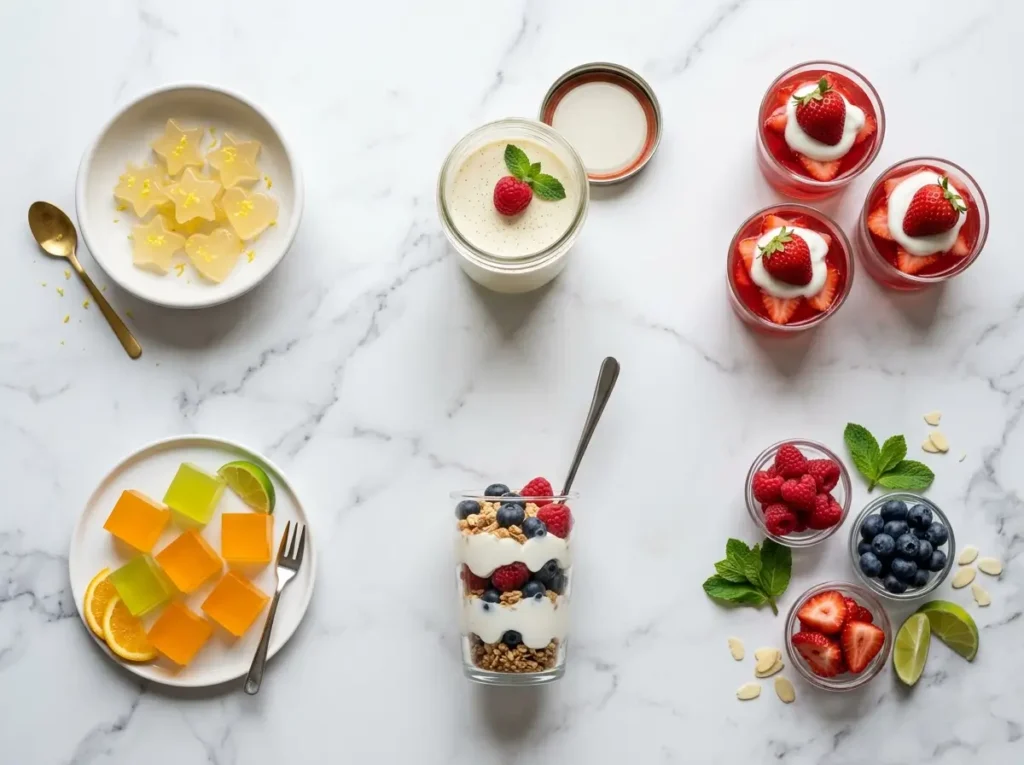
These are the five recipes I kept making after my test week ended — which tells you everything. One technique first: gelatin must be bloomed in cold water before it melts into anything hot, or you’ll get lumps. If that step is new to you, my guide on how to bloom gelatin properly takes two minutes to read and saves every recipe below.
1. Lemon-Honey Gelatin Gummies
My 3 p.m. snack now. Whisk 1 cup fresh lemon juice, 3 tablespoons honey, and 3 tablespoons bloomed beef gelatin over low heat until melted (don’t boil). Pour into silicone molds, chill 2 hours. About 10 calories per gummy.
2. Light Vanilla Panna Cotta
The “I can’t believe this is light” dessert. Use my easy panna cotta recipe but swap the cream for 2 cups of whole milk and reduce the sugar to 2 tablespoons. Same silky wobble, fraction of the calories.
3. Three-Ingredient Strawberry Cups
The reader favorite. My strawberry gelatin dessert needs just strawberries, gelatin, and a touch of honey. It’s the prettiest thing in my fridge every summer.
4. Sugar-Free Citrus Jello
Zero guilt, maximum jiggle. Follow my sugar-free gelatin recipe with fresh orange and grapefruit juice. One big batch covers dessert for four days.
5. Creamy Yogurt Gelatin Parfait
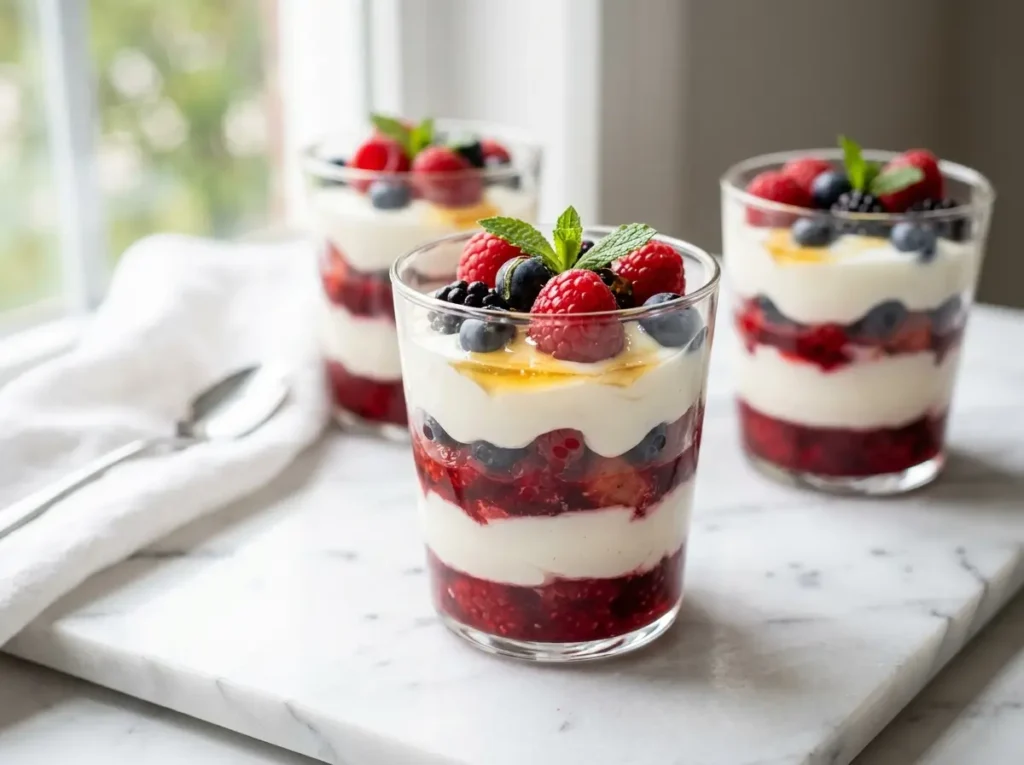
Breakfast that holds you until lunch. Bloom 1 tablespoon gelatin in 3 tablespoons cold water, melt gently, whisk into 2 cups Greek yogurt with 2 tablespoons maple syrup. Layer with berries, chill 3 hours. Pair it with my cottage cheese muffin cups for a seriously high-protein morning.
Want more ideas once you’ve mastered these? My roundup of tested Knox gelatin recipes has a dozen more, from no-bake pies to fruit snacks.
Vegetarian? Here’s Your Swap
Gelatin is animal-based, so if you’re vegetarian the classic powder is off the table — but the recipes aren’t. Agar agar sets even firmer than gelatin and works in almost everything above; I compared the two side by side in agar agar vs gelatin. For more options like pectin and carrageenan, my guide to plant-based gelatin substitutes covers conversion ratios so nothing turns to soup.
My Honest Take After a Week
Did the gelatin diet change my life? No. Did it make eating lighter feel less like punishment? Absolutely. The gummies replaced my candy habit, the parfait kept me out of the snack drawer until lunch, and the panna cotta made weeknight dessert feel special again. That’s the realistic win here: gelatin is a smart, satisfying tool inside a balanced diet — not a shortcut around one.
FAQ — Gelatin Diet
Is the gelatin diet safe?
Adding 1–2 tablespoons of food-grade gelatin per day to an otherwise balanced diet is generally considered safe for healthy adults. Replacing meals with gelatin is not safe — it’s an incomplete protein. Always check with your doctor if you have a health condition.
Can you lose weight on a gelatin diet?
Gelatin alone doesn’t burn fat. It may support weight management indirectly because it’s low in calories and filling, which can help you eat smaller portions. Total calories and overall diet quality still decide the outcome.
How much gelatin should I take per day?
Most home-cooking uses fall between 10 and 20 grams (1–2 tablespoons) daily. Start with one tablespoon and see how your digestion responds.
Is gelatin halal and gluten-free?
Pure gelatin is naturally gluten-free. For halal eating, choose certified beef or fish gelatin and check the label — the source animal is what matters.
| ⚕️ Disclaimer: This article is for general information only and is not medical or nutritional advice. Individual results vary. Consult a qualified healthcare professional before making significant changes to your diet, especially if you are pregnant, nursing, or managing a medical condition. |