⚠️ Medical Disclaimer: This article is for informational purposes only and does not constitute medical advice. Always consult a qualified healthcare professional before making changes to your diet or starting any weight-loss regimen.
If you’ve been scrolling through wellness content lately, you’ve probably stumbled across people talking about the horse gelatin trick — a viral claim that promises impressive weight-loss results. But what exactly is horse gelatin, where does this trend come from, and should you actually try it?
Sophie here. I’ve been writing about gelatin for over a year, from the Jillian Michaels gelatin trick recipe to whether the gelatin trick really works. So when ‘horse gelatin’ started trending — with searches jumping over 70% in a single day — I knew it was time to dig in and give you the full picture.
Here’s everything you need to know, without the hype.
What Is Horse Gelatin?
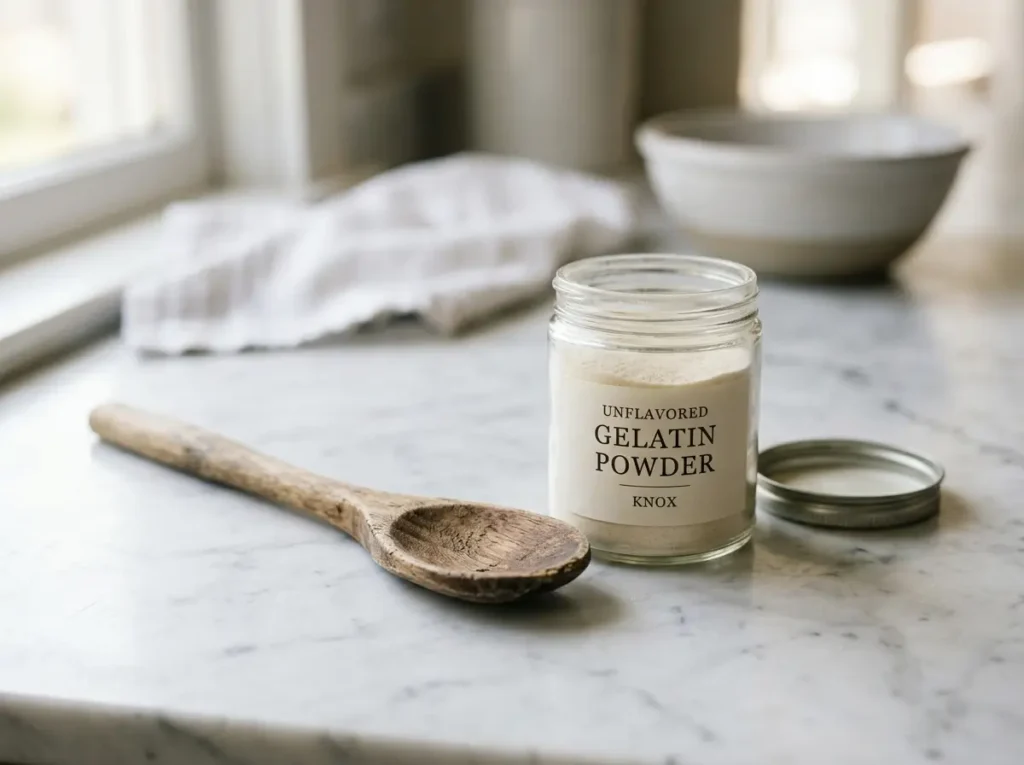
Horse gelatin is exactly what it sounds like: gelatin derived from the bones, cartilage, and connective tissue of horses. Like all animal-based gelatins, it is a form of hydrolyzed collagen — a protein that gives gel-forming properties to foods and supplements.
Gelatin from horses has been used for centuries in some traditional and folk medicine practices, particularly in parts of Asia and Europe. In modern times, equine-derived gelatin is less common in food products than bovine (beef) or porcine (pork) gelatin, but it does exist in certain pharmaceutical capsules and some specialty health supplements.
From a nutritional standpoint, horse gelatin is very similar to beef gelatin. Both are rich in the amino acids glycine, proline, and hydroxyproline. Both dissolve in warm water and firm up when cooled. The key differences are the source animal, the ethical and religious considerations, and the marketing claims attached to each.
Is Horse Gelatin Halal?
This is an important question for many of my readers. The halal status of horse meat and horse-derived products is a subject of scholarly debate within Islamic jurisprudence. Some schools of thought (Hanafi) consider horse meat and its derivatives makruh (disliked) or not permitted. Others consider it permissible. If you follow a strict halal diet, the safest approach is to look for certified halal beef gelatin or a plant-based alternative.
What Is the Horse Gelatin Weight-Loss Trick?
The horse gelatin trick refers to a viral social media trend claiming that consuming horse gelatin — or high doses of equine collagen supplements — promotes rapid weight loss, joint health, and skin improvement, supposedly at a faster rate than regular gelatin.
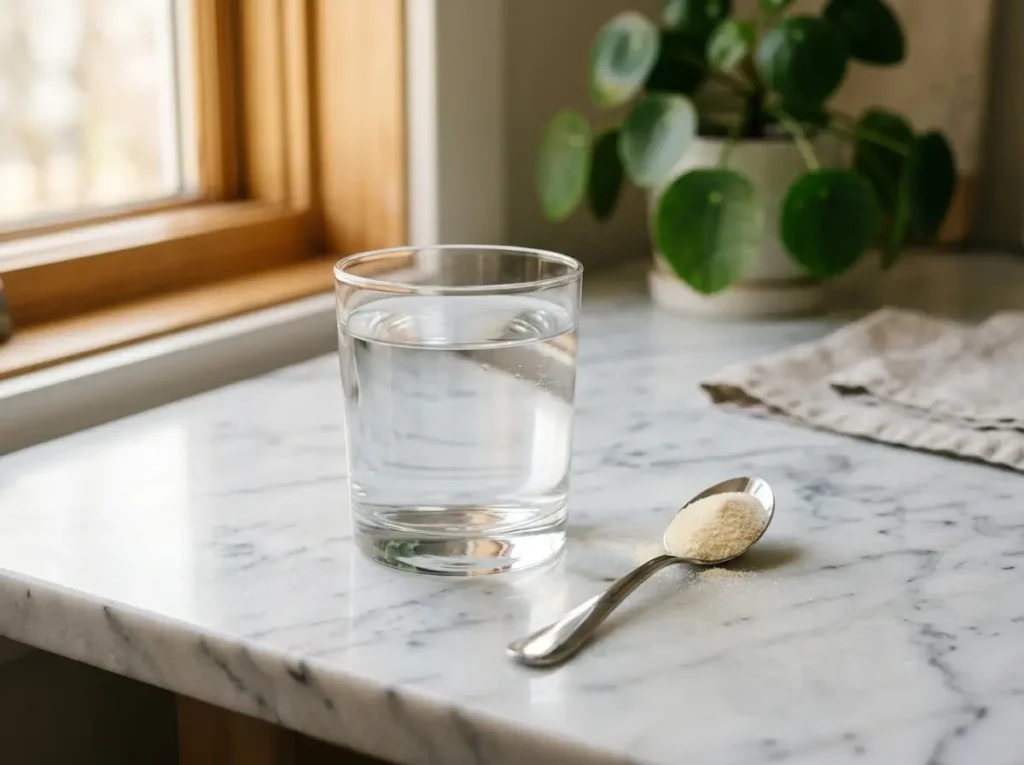
The claim typically goes something like this: horse collagen is ‘more bioavailable’ or ‘more potent’ than bovine or marine collagen because horses are larger, stronger animals with denser connective tissue. Some versions of the trend claim the trick involves dissolving a specific amount of equine gelatin in water each morning on an empty stomach.
Where Did the Trend Come From?
Like many wellness trends, this one appears to have originated on short-form video platforms — particularly TikTok — where individual creators shared anecdotal weight-loss stories tied to equine supplements. The trend gained traction alongside the broader ‘gelatin trick’ category of content, which has included celebrity-adjacent gelatin recipes and claims about collagen supplementation for body composition.
It followed a similar playbook to trends I’ve already covered here, like the Jillian Michaels gelatin trick recipe. You may have seen Dr. Gupta’s gelatin recipe making the rounds — here’s what’s actually in it, another case of gelatin-based weight-loss content tied to a celebrity name. The pattern is consistent: take a real food (gelatin is genuinely nutritious), attach a dramatic claim, and let it spread.
Is the Horse Gelatin Trick Legit? What the Science Says
Here’s the honest answer: no peer-reviewed study specifically validates the claim that horse gelatin produces superior weight-loss results compared to other gelatin or collagen sources.
The broader research on gelatin and weight management is more nuanced:
- Gelatin is a high-protein, low-calorie food. Protein increases satiety, which can support calorie control over time. This applies to beef, pork, fish, and plant-based protein sources as well — not just equine gelatin.
- Some small studies have examined collagen supplementation and body composition, but results are modest and not specific to horse-derived collagen.
- The claim that horse collagen is ‘more bioavailable’ is not supported by published clinical evidence at this time.
- Dramatic short-term weight loss attributed to any single food product in social media content is almost always a function of overall dietary changes, not the specific ingredient.
For a deeper look at what the research actually says about gelatin and weight loss, read my breakdown: Does gelatin help with weight loss?
Is It Safe to Take Horse Gelatin?
Gelatin and collagen supplements from equine sources are not inherently dangerous for most healthy adults. However, there are real considerations:
- Equine gelatin supplements vary widely in quality. Look for third-party testing and avoid products with vague sourcing.
- Allergies to horse proteins are possible, though uncommon.
- Equine-derived products are not regulated by the FDA as drugs. Health claims on labels are not independently verified.
- If you have a chronic condition, are pregnant, or take medications, consult your doctor before adding any new supplement.
Safe, Tested Gelatin Alternatives You Can Actually Try
If you want to add gelatin or collagen to your routine in a way that’s evidence-backed, sourced clearly, and fits a halal or pork-free diet, here are options I recommend and have personally tested:
1. Beef Gelatin (Halal-Certified)
This is my go-to. Before you buy into any trick, it’s smart to know the actual benefits of beef gelatin and where the real science lands — it’s halal when certified, and it performs identically to standard gelatin in all recipes. Brands like Great Lakes Beef Gelatin and Vital Proteins Beef Gelatin are widely available.
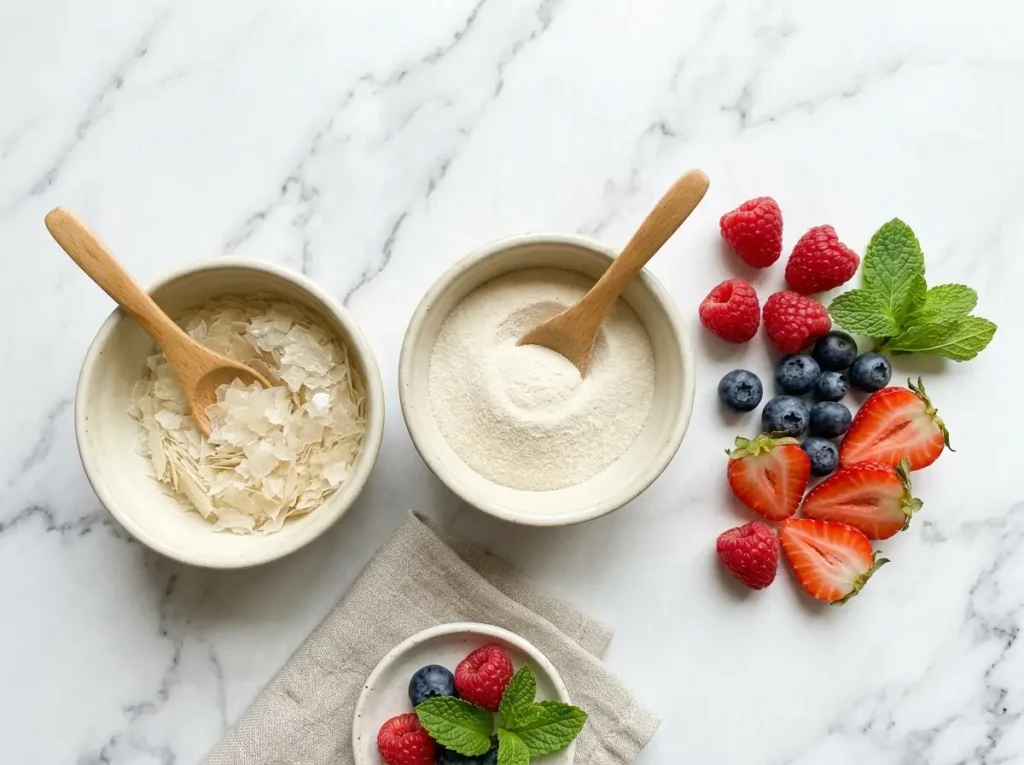
2. Marine (Fish) Collagen
Marine collagen is derived from fish skin and bones. Some studies suggest it may have higher bioavailability than bovine collagen for certain skin benefits. It has a lighter flavor and dissolves easily in hot or cold liquids.
3. Plant-Based Gelatin (Agar Agar)
For a completely animal-free option, agar agar is the most effective gelatin substitute. It sets firmer than gelatin and is tasteless. I use it in my gelatin-free jello recipe and it’s also detailed in my full agar agar vs gelatin guide.
4. Knox Unflavored Gelatin
Knox is the most accessible and affordable option in US supermarkets. It’s bovine-derived, widely available, and works in everything from desserts to savory cooking. For weight-loss-focused gelatin recipes, most of the celebrity-name recipes I’ve tested use unflavored Knox as the base.
What Nutrition Experts Say About Gelatin and Weight Loss
Registered dietitians and nutrition researchers generally take a measured stance on gelatin supplementation. According to Healthline’s review of gelatin health benefits, gelatin may support satiety and protein intake, but it is not a standalone weight-loss solution. There is no established dose or protocol that produces consistent fat-loss results in clinical settings.
A 2019 review published in Nutrients (via PubMed) found that collagen supplementation showed some benefit for joint pain and skin elasticity, but the evidence for body composition changes specifically was limited and methodologically inconsistent.
WebMD’s overview of collagen supplements notes that while collagen is a protein with real nutritional value, the dramatic claims circulating on social media — rapid weight loss, targeted fat burning — go far beyond what current science supports.
The bottom line: gelatin is a real food with real nutritional value. Adding it to a balanced diet is not a bad idea. But treating horse gelatin specifically as a magic weight-loss ingredient is not supported by evidence.
Frequently Asked Questions
What is the horse gelatin trick for weight loss?
The horse gelatin trick is a social media trend claiming that consuming horse-derived gelatin or collagen daily leads to rapid weight loss. There is no clinical evidence backing this specific claim. The protein content of gelatin can support satiety, but the source animal does not appear to change the outcome.
Is horse gelatin the same as regular gelatin?
Chemically, it is very similar. Both horse and beef gelatin are hydrolyzed collagen proteins that dissolve in hot water and form a gel when cooled. The practical difference lies in the source animal, religious permissibility, and supplement quality — not in the weight-loss effects.
Can I use horse gelatin in recipes?
Equine gelatin behaves similarly to bovine gelatin in recipes. That said, it can be difficult to source and verify for quality. For everyday cooking and baking, beef gelatin or agar agar are more practical, widely available, and better-tested options.
Is horse gelatin halal?
The halal permissibility of horse-derived products is debated among Islamic scholars. For a safe and clearly certified option, use halal-certified beef gelatin or a plant-based alternative like agar agar.
Does the gelatin trick really work?
I covered this in depth in a separate article. The short answer: gelatin can be a useful high-protein, low-calorie food that supports satiety, but it is not a shortcut to weight loss on its own. Read the full breakdown: Does the gelatin trick really work?
The Bottom Line
The horse gelatin trick is a viral wellness claim built on a kernel of real nutrition science — gelatin is a protein, protein supports satiety — but dramatically overstated to suggest that equine-specific gelatin produces magical results. It does not.
If you’d rather build a routine than chase a hack, this breakdown of the gelatin diet is a grounded place to start. If you want to add gelatin to your routine for general wellness, improved skin, or joint support, halal beef gelatin or plant-based agar agar are practical, well-sourced, and tested options that I use in my own kitchen every week.
Save the hype for social media. In your kitchen, stick to what works. And if you’re ready to actually cook with gelatin, start with my gelatin-free jello recipe — no horses required.
1 thought on “What Is the Horse Gelatin Trick? Here’s What You Need to Know”